

3D printing has revolutionized how car enthusiasts repair, customize, and restore their vehicles. But with this power comes responsibility—understanding what's safe to print, which materials to use, and how to avoid potentially dangerous failures is critical for every automotive maker. This comprehensive guide covers everything you need to know about 3D printed car parts safety.
Whether you're printing simple trim clips or considering more complex functional parts, the decisions you make about design, materials, and application can mean the difference between a successful project and a dangerous failure. Let's dive into the essential safety considerations every DIY automotive maker needs to understand.
Understanding the Safety Landscape of 3D Printed Car Parts

The automotive industry operates under some of the strictest safety regulations in manufacturing. When OEMs design parts, they undergo rigorous testing for crash safety, thermal cycling, chemical resistance, and fatigue life. As a DIY maker, you're stepping into territory where understanding these considerations is paramount.
That doesn't mean you shouldn't 3D print car parts—far from it. Thousands of enthusiasts successfully print parts every day. The key is knowing the boundaries between what's appropriate for 3D printing and what should remain with professional manufacturers.
⚠️ Critical Safety Warning
Never 3D print safety-critical components such as brake parts, suspension arms, steering components, seat belt hardware, airbag housings, or any part that directly affects vehicle control or occupant protection. These parts require specific metallurgical properties, crash testing, and regulatory certification that cannot be achieved through consumer 3D printing.
The Safety Classification System: What You Can and Cannot Print
Understanding part classification helps you make informed decisions. We can categorize car parts into three safety tiers based on their potential consequences if they fail:
| Safety Tier | Risk Level | Can You 3D Print? | Example Parts |
|---|---|---|---|
| Tier 1: Safety-Critical | Extreme | ❌ NEVER | Brake components, suspension arms, steering parts, seat belt hardware, airbag components, wheel lugs |
| Tier 2: Functional/Structural | Moderate | ⚠️ With Caution | Engine bay brackets, radiator mounts, sensor housings, wiring clips, coolant reservoir mounts |
| Tier 3: Cosmetic/Non-Critical | Low | ✅ Recommended | Interior trim, vent bezels, cup holders, phone mounts, emblems, shift knobs, console organizers |
The vast majority of successful 3D printed car parts fall into Tier 3—cosmetic and non-critical components where failure would cause inconvenience, not injury. This is where the DIY community thrives, creating custom parts that are impossible or prohibitively expensive to find otherwise.
Material Safety: Choosing the Right Filament for Automotive Use

Material selection is perhaps the most critical safety decision you'll make. Each filament has specific temperature ratings, UV resistance, and chemical compatibility that determine where it can safely be used in your vehicle.
| Material | Heat Deflection Temp (HDT) | UV Resistance | Safe Locations | Avoid In |
|---|---|---|---|---|
| PLA | 52-60°C | ❌ Poor | Garage use only, prototypes | ANY vehicle location |
| PETG | 65-75°C | ⚠️ Fair | Trunk, under seats, shaded areas | Dashboard, engine bay |
| ABS | 88-105°C | ⚠️ Fair | Interior, mild under-hood | Direct sunlight exterior |
| ASA | 95-105°C | ✅ Excellent | Exterior, dashboard, engine bay | Near exhaust (150°C+) |
| Nylon (PA) | 80-180°C | ✅ Good | Functional parts, brackets | Wet areas (absorbs moisture) |
| PA-CF (Carbon Fiber Nylon) | 150-180°C | ✅ Excellent | Engine bay, high-stress mounts | Direct exhaust contact |
| PC (Polycarbonate) | 130-140°C | ✅ Good | Impact-prone areas, clear parts | Chemical exposure areas |
🌡️ The Dashboard Temperature Problem
Car dashboards can reach 80-100°C (176-212°F) on hot summer days. A black dashboard in Arizona can hit 150°C (302°F). This is why PLA and even PETG fail—they literally soften and deform. Always use ASA, ABS, or PA-CF for any dashboard-mounted parts.
Thermal Safety Zones in Your Vehicle

Understanding thermal zones helps you choose appropriate materials and locations for your printed parts. Your vehicle has distinct temperature environments:
| Zone | Temperature Range | Location Examples | Minimum Material |
|---|---|---|---|
| Extreme (No-Print Zone) | 150-400°C+ | Exhaust manifold, turbo, catalytic converter | Metal only - DO NOT PRINT |
| High Heat | 100-150°C | Engine block area, transmission tunnel | PA-CF, PC, PEEK |
| Moderate Heat | 60-100°C | Dashboard, upper engine bay, fender wells | ASA, ABS, Nylon |
| Mild | 40-60°C | Interior (shaded), trunk, floor | PETG, ABS |
| Climate Controlled | 15-40°C | AC vented areas, under-seat storage | Any automotive-grade filament |
Always add a safety margin of at least 20°C above the expected maximum temperature when selecting materials. What seems acceptable in spring may fail catastrophically during a summer heat wave.
Structural Integrity: Print Settings That Affect Safety

How you print a part is just as important as what you print it with. 3D printed parts are inherently anisotropic—they're weaker in one direction (perpendicular to the layers) than others. This has significant safety implications.
Critical Print Settings for Safety
- Layer orientation: Orient parts so loads are applied parallel to layers, not perpendicular (which causes delamination)
- Wall count: Use 4-6 walls minimum for functional parts (vs. 2-3 for cosmetic)
- Infill: 40-100% for load-bearing parts; grid or gyroid patterns for best strength
- Layer height: Lower layer heights (0.15-0.2mm) improve layer adhesion
- Temperature: Print at higher end of range for better inter-layer bonding
- Cooling: Reduce cooling for better layer fusion (especially ABS, ASA, Nylon)
💡 The Strength Hierarchy
For any given material, strength follows this pattern:
Injection Molded (100%) > 3D Printed (Optimized) (60-80%) > 3D Printed (Default Settings) (30-50%)
This means even with perfect print settings, your 3D printed part will likely be 20-40% weaker than the OEM equivalent. Design accordingly with larger cross-sections and additional reinforcement.
Common Failure Modes and How to Prevent Them

Understanding how 3D printed parts fail helps you design safer components and recognize warning signs before failure occurs.
1. Layer Delamination
The most common failure mode. Layers separate under stress, especially with temperature cycling or impact. Prevention:
- Print with higher nozzle temperatures (upper range)
- Use enclosure for ABS/ASA/Nylon
- Orient parts to avoid perpendicular loads
- Increase wall count and infill
2. Thermal Deformation
Parts soften, warp, or collapse when exposed to temperatures above their HDT. Prevention:
- Use appropriate material for the temperature zone
- Add 20°C safety margin to your calculations
- Consider annealing parts to increase HDT (especially PLA, PETG)
- Test parts in actual vehicle conditions before permanent installation
3. UV Degradation
Sunlight breaks down polymer chains, making parts brittle over time. Prevention:
- Use ASA for any exterior or sun-exposed parts
- Apply UV-resistant clear coat to vulnerable materials
- Inspect exterior parts regularly for discoloration or cracking
- Consider replacement schedule for sun-exposed parts
4. Chemical Attack
Automotive fluids can weaken or dissolve certain plastics. Know your chemical compatibility:
- Gasoline: Attacks ABS, PLA—use Nylon or PETG
- Brake fluid (DOT 3/4): Destroys most plastics—avoid all printing near brake systems
- Coolant: Generally safe for most materials
- Motor oil: PETG, Nylon, PA-CF are resistant
5. Fatigue Failure
Repeated stress cycles cause cracks that propagate until failure. Common in vibrating environments. Prevention:
- Over-engineer critical dimensions by 50-100%
- Use rounded corners instead of sharp edges (stress concentrators)
- Add vibration damping (rubber grommets, TPU inserts)
- Regular inspection schedule for high-vibration mounts
Testing Your Printed Parts Before Installation

Never install a 3D printed part without testing. Here's a systematic approach to validation:
Visual Inspection Checklist
- No visible layer lines separating or lifting
- Consistent color and finish (no burnt spots or discoloration)
- No warping or dimensional deviation from design
- Clean snap/clip features that flex without cracking
- No voids, holes, or under-extrusion areas
Functional Testing Protocol
- Fit test: Verify part fits in intended location without forcing
- Load test: Apply 2-3x expected load to check for deformation
- Flex test: For clips/snaps, cycle 10+ times to check for fatigue
- Heat test: Use heat gun or oven to verify behavior at expected max temperature
- Install test: Mount temporarily and run vehicle for 1 hour, then inspect
- Extended test: After 1 week of normal use, remove and inspect thoroughly
✅ Pro Tip: The Heat Gun Test
Before installing any interior part, hit it with a heat gun at the expected dashboard temperature (80-100°C) for 5 minutes. If it deforms, softens, or shows any change, it's not suitable for that location. Better to find out in your garage than during a road trip through Death Valley.
Safe Parts to 3D Print: Your Go-To List
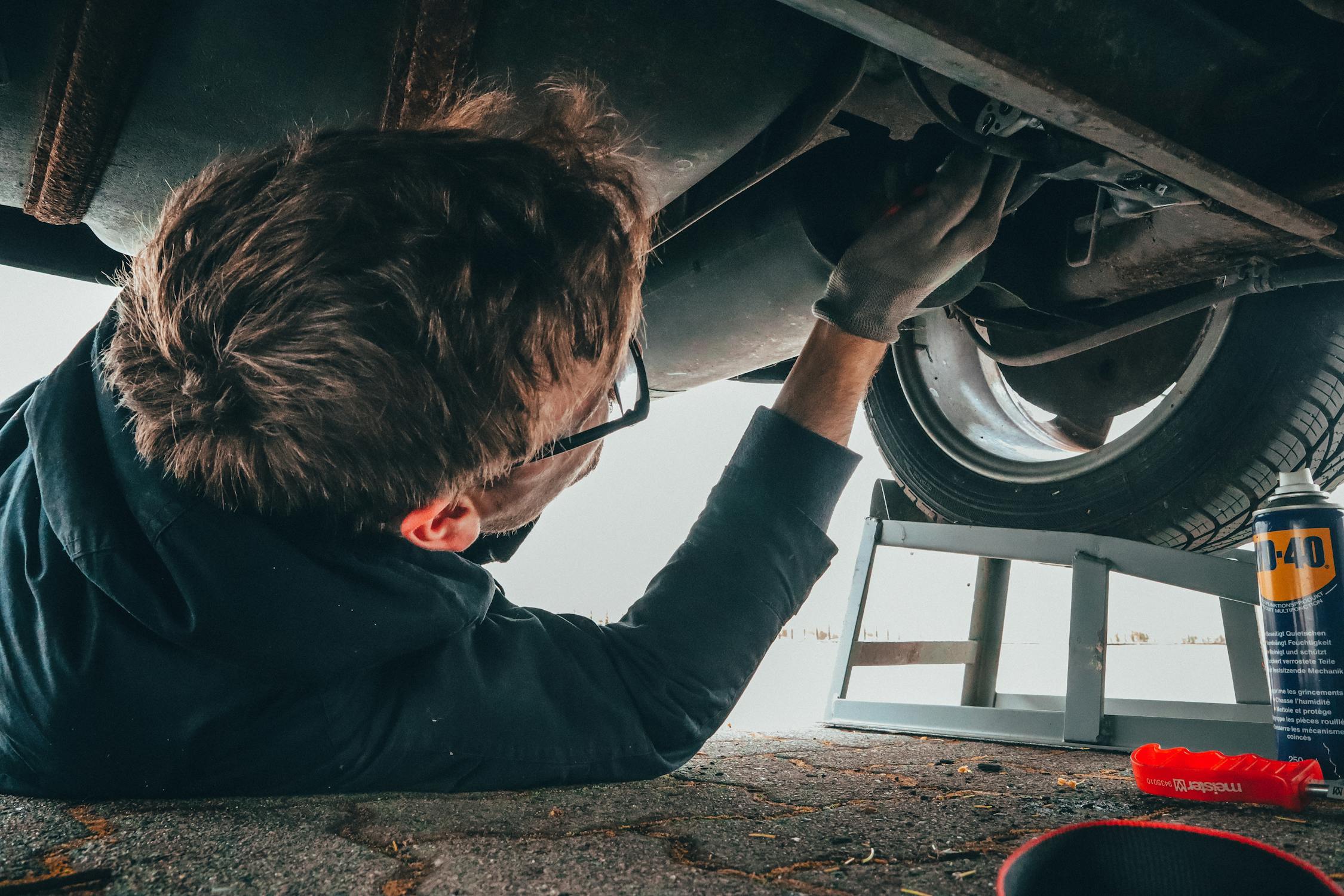
Focus your efforts on parts where 3D printing excels and risks are minimal. These categories represent the sweet spot for DIY automotive makers:
Interior Parts (Tier 3 - Low Risk)
- Vent bezels and louvers (use ASA for dashboard)
- Cup holder adapters and inserts
- Phone mounts and device holders
- Console organizers and storage solutions
- Shift knobs and boot rings
- Switch blanks and button covers
- Gauge pod surrounds
- Grab handle covers
Trim and Clips (Tier 3 - Low Risk)
- Interior trim clips and retainers
- Door panel fasteners
- Headliner clips
- Fender liner retainers
- Bumper cover clips (cosmetic, not structural)
- Splash shield fasteners
Under-Hood Parts (Tier 2 - Moderate Risk)
- Fuse box covers (use PA-CF or ASA)
- Relay mounts and brackets
- Wiring harness clips and guides
- Coolant reservoir brackets (away from engine)
- Air filter box clips
- Vacuum line connectors (non-critical circuits)
- Sensor mounting brackets
Exterior Cosmetic (Tier 2-3)
- Emblems and badges (ASA only)
- License plate frames
- Antenna bases (non-structural)
- Mirror covers (cosmetic)
- Grille inserts (cosmetic)
- Spoiler end caps (cosmetic)
Parts You Should Never 3D Print
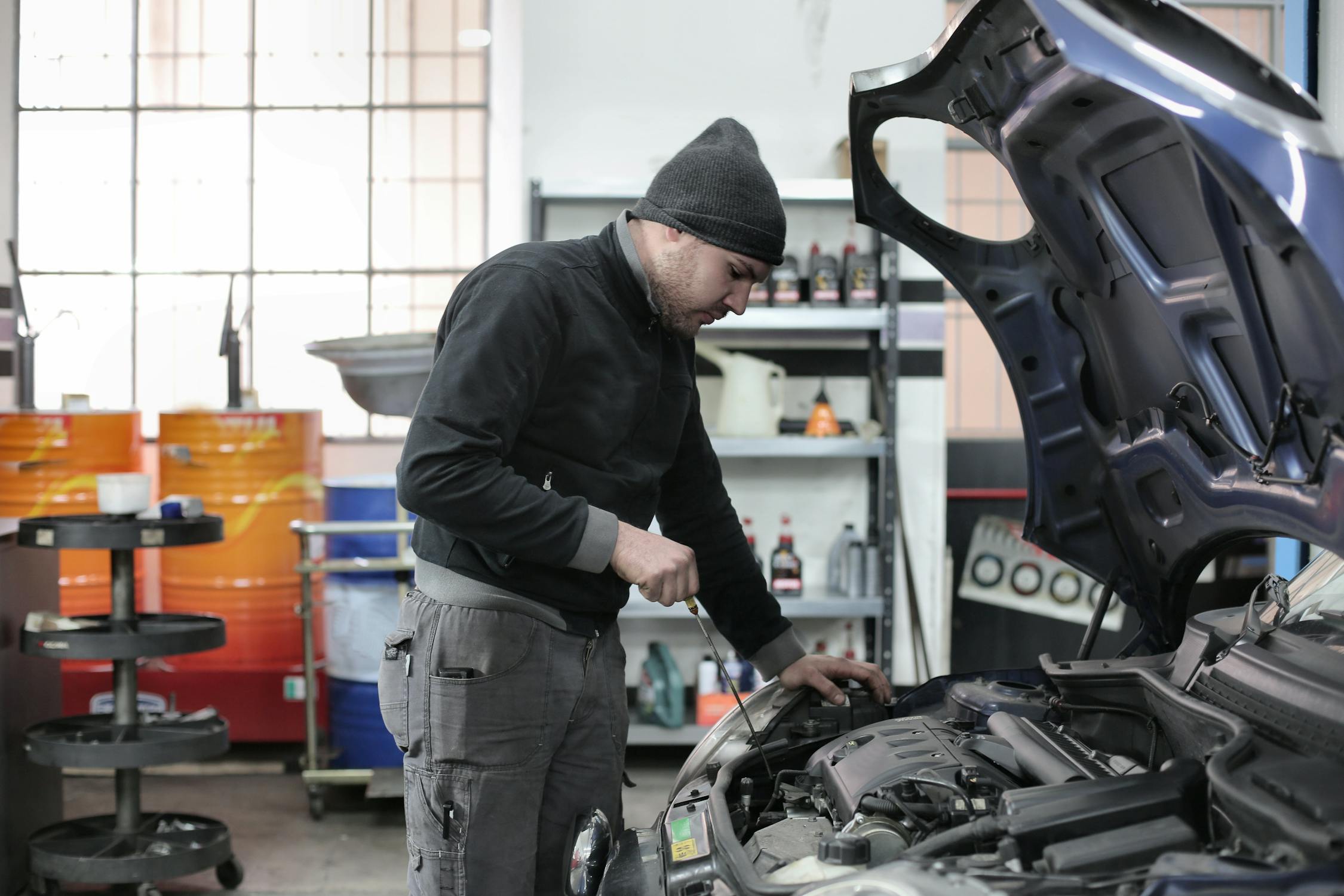
No material, no print settings, and no amount of engineering can make these parts safe to 3D print at home. These require professional certification, specific metallurgy, and crash testing:
🚫 NEVER 3D Print These Parts
- Brake system components: Calipers, brackets, rotors, pads, lines, master cylinder parts
- Suspension components: Control arms, ball joints, tie rods, strut mounts, sway bar links
- Steering system: Rack components, tie rod ends, steering knuckles, column parts
- Wheel hardware: Lug nuts, wheel studs, hub adapters, spacers
- Seat belt hardware: Buckles, anchors, adjusters, pretensioner components
- Airbag system: Any component related to airbag deployment or housing
- Fuel system: Fuel lines, tank components, pump mounts, injector rails
- Crash structure: Bumper beams, door intrusion bars, crumple zone components
- Engine internals: Pistons, connecting rods, valves, camshafts
- Transmission components: Gears, shafts, clutch components
Even if you could print a brake caliper bracket that holds together in testing, you have no way to validate its behavior in a panic stop, under thermal cycling, or after years of vibration and chemical exposure. The consequences of failure are too severe.
Legal and Insurance Considerations

Using 3D printed parts in your vehicle has legal and insurance implications you should understand:
Vehicle Inspections
Most state/country vehicle inspections focus on safety-critical systems. Cosmetic and interior parts typically don't affect inspection outcomes. However:
- Modified lighting may require certification
- Exterior modifications may need to meet visibility requirements
- Check local regulations before modifying any visible safety equipment
Insurance Implications
Most insurers don't ask about interior modifications. However, if a 3D printed part contributes to an accident:
- You may face liability for damages if the part is deemed responsible
- Warranty claims may be denied if modifications are present
- Some policies specifically exclude "modified vehicles"
- Document your modifications and inform your insurer if in doubt
Product Liability
If you sell 3D printed parts or share designs:
- You may be liable for injuries caused by your designs
- Include disclaimers about appropriate use and limitations
- Never sell or share designs for safety-critical parts
- Consider product liability insurance if selling parts commercially
For a deeper dive into the legal landscape, check out our comprehensive legal guide.
Safe Printing Practices in Your Workshop

Beyond the safety of the parts themselves, the 3D printing process carries its own health and safety considerations:
Ventilation Requirements
3D printing releases ultrafine particles (UFPs) and volatile organic compounds (VOCs) that can affect respiratory health:
- PLA: Lower emissions, but still benefits from ventilation
- ABS: Releases styrene—requires good ventilation or enclosure with filtration
- ASA: Similar to ABS—use enclosed printer with HEPA/carbon filtration
- Nylon: Can release caprolactam—requires excellent ventilation
- Use HEPA + activated carbon filters on enclosed printers
- Print in a dedicated space, not living areas
- Consider a fume hood or external venting for heavy use
Fire Safety
3D printers are fire hazards—heated elements, combustible materials, and long unsupervised run times create risk:
- Never leave printers running unattended for extended periods
- Use printers with thermal runaway protection
- Keep fire extinguisher rated for electrical fires nearby
- Install smoke detector in printing area
- Consider automated shutdown systems for unattended printing
Material Handling
- Store filaments in dry, sealed containers
- Dispose of failed prints and support material properly
- Wear gloves when handling resin (if using SLA/MSLA)
- Keep isopropyl alcohol and other solvents away from heat sources
Building a Safety-First Culture

The 3D printing automotive community thrives because makers share knowledge responsibly. Here's how to contribute to a safety-first culture:
When Sharing Designs
- Clearly state recommended materials and print settings
- Document where the part can and cannot be used
- Include temperature and load ratings
- Add warnings for any potential failure modes
- Never share designs for safety-critical parts
When Using Community Designs
- Research the designer's reputation and testing
- Read all documentation and warnings
- Verify the design applies to your specific vehicle
- Test thoroughly before trusting
- Report any failures back to the community
Join our community forum to connect with experienced makers who prioritize safety.
Ready to Start Printing Safely?
Browse thousands of community-tested designs with detailed safety documentation. Join makers who understand the difference between what you can print and what you should print.
Join Free Browse PartsQuick Reference Safety Checklist
Print this checklist and keep it in your workshop:
Before Every Print
- ☐ Is this a Tier 3 (cosmetic) or approved Tier 2 (functional) part?
- ☐ Have I selected the correct material for the installation location?
- ☐ Is my material's HDT 20°C above expected max temperature?
- ☐ Is my printer properly enclosed and ventilated for this material?
- ☐ Have I configured print settings for strength (walls, infill, orientation)?
After Every Print
- ☐ Visual inspection passed—no delamination, voids, or defects?
- ☐ Dimensional check passed—part fits without forcing?
- ☐ Flex test passed—clips/snaps function without cracking?
- ☐ Heat test passed (if dashboard/engine bay installation)?
Before Installation
- ☐ Temporary install test completed—1 hour run, no issues?
- ☐ No interference with any safety systems?
- ☐ Part location appropriate for material temperature rating?
- ☐ No chemical exposure concerns at install location?
Ongoing Monitoring
- ☐ Scheduled inspection at 1 week, 1 month, 6 months
- ☐ Check for discoloration, warping, cracking
- ☐ Replace immediately if any degradation observed
Frequently Asked Questions
Is PLA ever safe to use in a car?
No. PLA's low heat deflection temperature (52-60°C) means it will deform or melt in even mild summer heat. Car interiors regularly exceed 60°C on warm days. Use PLA only for prototyping—never for permanent installation.
Can I 3D print a functional engine bracket?
Potentially, with caveats. Use PA-CF or PC for engine bay temperatures, design with significant safety margins (2-3x expected loads), and test extensively. Keep in mind that professional brackets undergo fatigue testing that you can't replicate at home.
How long do 3D printed car parts last?
Properly designed and installed parts using appropriate materials can last years. ASA exterior parts may need replacement every 3-5 years due to UV exposure. Interior parts can last indefinitely if temperatures stay within material limits.
Will my insurance cover damage from 3D printed parts?
Generally, yes, for cosmetic parts. However, if a 3D printed part is determined to have caused or contributed to an accident, you may face liability issues. Document modifications and consider informing your insurer.
What's the safest material overall for car parts?
ASA offers the best combination of heat resistance (95-105°C HDT), UV stability, and printability for most automotive applications. For higher temperatures, PA-CF provides excellent heat resistance (150-180°C) and strength.
Can I print replacement parts for a classic car restoration?
Absolutely—this is one of 3D printing's best use cases. Classic cars often need discontinued parts that are expensive or impossible to find. Focus on interior trim, clips, bezels, and cosmetic parts. Check out our classic car restoration guide.
Conclusion: Print Smart, Stay Safe

3D printing has opened incredible possibilities for automotive enthusiasts. Parts that were once impossible to find or prohibitively expensive are now just a print away. But with this power comes responsibility.
The key takeaways for safe 3D printed car parts:
- Know your tiers: Stick to cosmetic/non-critical parts unless you have engineering expertise
- Material matters: Match your filament to the temperature and UV exposure of the installation location
- Print for strength: Use proper orientation, wall count, and infill for functional parts
- Test everything: Never install without thorough testing including heat exposure
- Respect the limits: Some parts should never be 3D printed—period
- Stay informed: Join communities, share knowledge, learn from others' experiences
By following these guidelines, you can enjoy the benefits of 3D printed car parts while keeping yourself and others safe on the road.
Join the Community
Connect with thousands of automotive makers who prioritize safety. Share your projects, get feedback on designs, and access our library of tested parts.
Create Free AccountReference shelf
Materials and equipment referenced here
Optional product references matched to the material or printer discussion above. Use the specifications—not the brand name—to decide what fits your setup.
| Referenced item | What to verify | Price & availability |
|---|---|---|
| PETG filamentAmazon · Affiliate link | Amazon product page for 1.75 mm PETG; confirm colour, spool size, print temperature, seller, and delivery region. | Check price at Amazon |
| ASA filamentAmazon · Affiliate link | Amazon product page for 1.75 mm ASA; use an enclosure and suitable ventilation, and confirm seller and regional availability. | Check price at Amazon |
| ABS filamentAmazon · Affiliate link | Amazon product page for 1.75 mm ABS; use an enclosure and suitable ventilation, and verify temperature requirements and seller. | Check price at Amazon |
Affiliate disclosure: if you buy through an eligible link, 3DPrintedCarPart may earn a commission at no extra cost to you. As an Amazon Associate I earn from qualifying purchases. Confirm product specifications, compatibility, seller terms, and vehicle safety before ordering or using anything. Amazon may redirect you to a nearby supported store; otherwise the original Amazon.com page remains available.


