

When we talk about 3D printed functional car parts, we're referring to components that go beyond aesthetics—parts that actually work under real-world automotive conditions. These are brackets that bear loads, ducts that channel airflow, housings that protect electronics, and mounts that withstand vibration, heat, and stress mile after mile. The world of functional 3D printing for automobiles represents the cutting edge of what makers, enthusiasts, and even professional manufacturers can achieve today.
Unlike decorative parts such as badge covers or shift knob tops, functional components must meet engineering requirements: dimensional accuracy, material strength, heat resistance, and long-term durability. This comprehensive guide will teach you everything you need to know about designing, printing, and installing functional 3D printed parts that will perform reliably in your vehicle. Whether you're exploring our parts library or designing custom solutions, understanding functional printing is essential for any serious automotive maker.
What Makes a Car Part "Functional"?
Before diving into materials and techniques, it's essential to understand what distinguishes a functional part from a decorative one. Functional automotive parts must perform a specific mechanical, structural, or protective role—and failure to perform that role can range from annoying to dangerous.
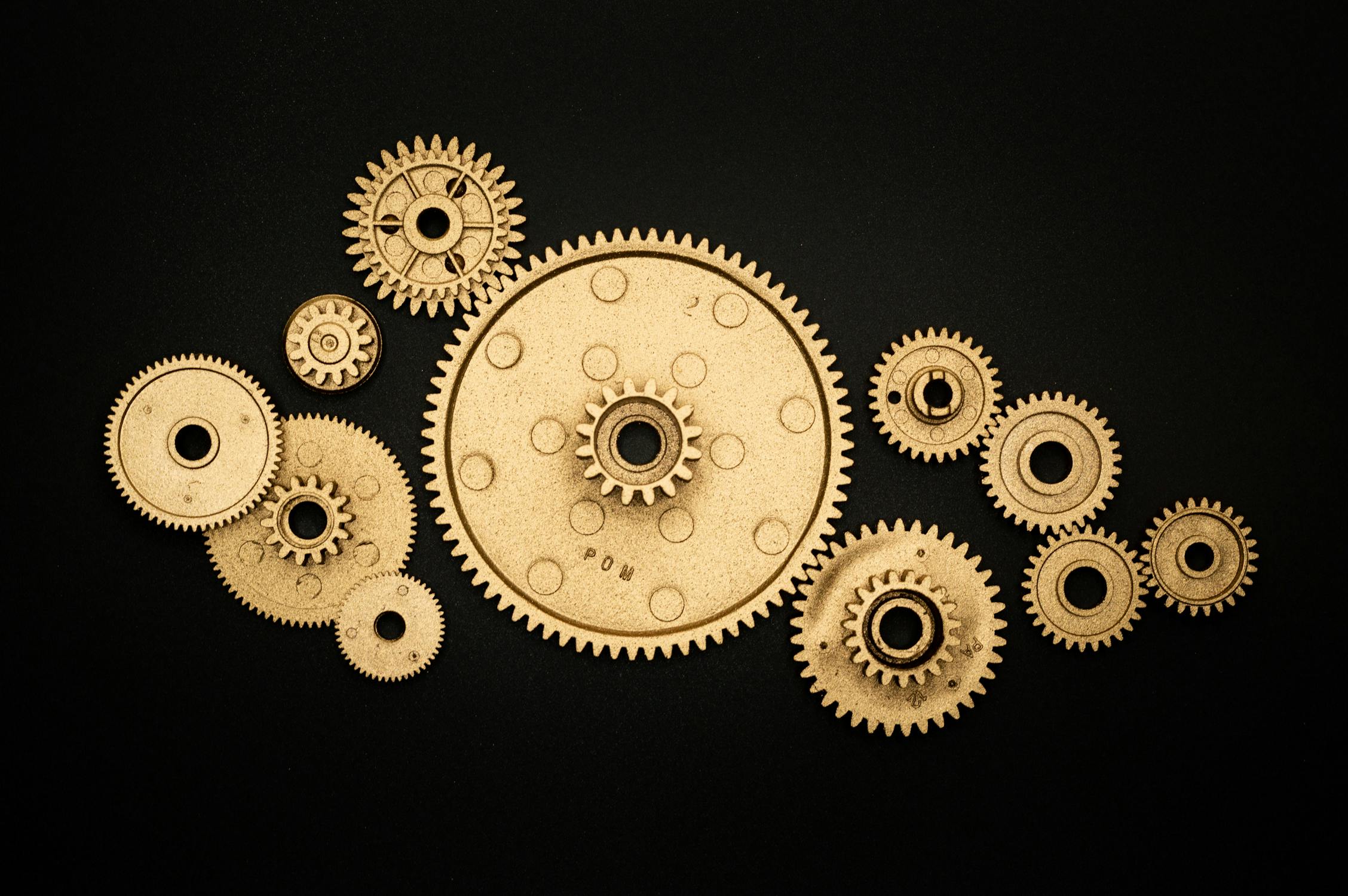
Characteristics of Functional Automotive Parts
Functional parts in automotive applications typically exhibit one or more of these characteristics:
- Load-Bearing: The part supports weight or withstands forces (brackets, mounts, clips)
- Heat Exposure: Located in engine bay or near exhaust, requiring thermal stability
- Mechanical Interface: Connects to moving parts or transfers motion (linkages, guides)
- Environmental Protection: Shields components from water, dust, or debris (housings, covers)
- Precision Fit: Requires tight tolerances for proper operation (sensor mounts, alignment guides)
- Vibration Resistance: Must maintain integrity under constant automotive vibration
- Chemical Resistance: Exposed to fuel, oil, coolant, or brake fluid
🔧 Functional vs. Decorative: The Key Difference
A decorative shift knob cover might look great, but if it fails, nothing bad happens—you just have an ugly shift knob. A functional air intake duct that fails could cause engine overheating or performance loss. A functional brake line bracket that breaks could lead to dangerous brake line damage. This distinction drives every material and design decision for functional parts.
Top 10 Functional Car Parts You Can 3D Print
Let's explore the most common and practical functional parts that automotive enthusiasts successfully 3D print. These represent proven applications where 3D printing delivers real value—either through cost savings, customization, or solving the problem of discontinued parts.
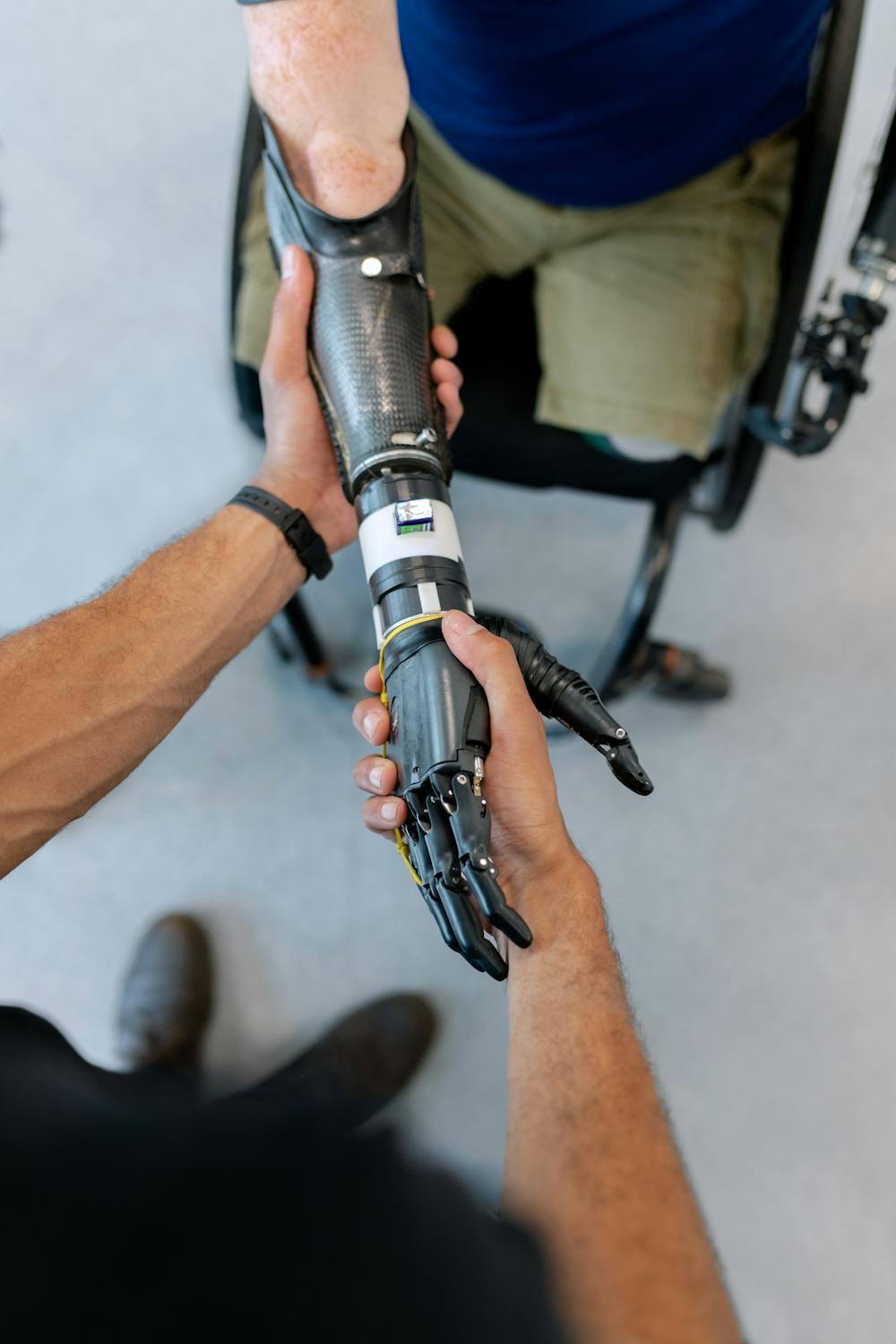
1. Air Ducts and Intakes
Cold air intakes and ducting are among the most popular functional prints. They direct airflow to the intake, intercooler, or brakes. Printed from ASA or PETG, these parts can handle under-hood temperatures while maintaining dimensional stability. Custom ducts let you route air exactly where you need it—something impossible with off-the-shelf universal parts.
2. Mounting Brackets
Brackets for gauges, cameras, sensors, and accessories are perfect functional print candidates. Using carbon fiber reinforced nylon (PA-CF) or polycarbonate, you can create brackets that are stronger than the stamped metal OEM versions while being lighter and perfectly fitted to your specific installation.
3. Clip and Fastener Replacements
Every car has dozens of plastic clips holding trim, panels, and covers in place. When these break—and they always do—OEM replacements can cost $5-15 each. Printed in Nylon or PETG, functional clip replacements cost pennies and can be printed in bulk. Check our clip designs library for ready-to-print solutions.
4. Sensor Housings and Mounts
Modern cars have sensors everywhere—for boost pressure, air/fuel ratios, oil temperature, and more. 3D printing allows creation of custom housings that protect sensors while providing perfect mounting positions. Materials like ASA (Acrylonitrile Styrene Acrylate) provide the UV and heat resistance needed for engine bay installation.
5. Velocity Stacks and Intake Trumpets
For performance enthusiasts, 3D printed velocity stacks on individual throttle bodies (ITBs) offer customizable intake lengths to tune for specific RPM ranges. Using carbon fiber nylon, these functional parts handle the heat and vibration of racing applications while allowing rapid iteration on different designs.
6. Wiring Harness Clips and Guides
Routing and securing wiring is critical in any custom build or engine swap. 3D printed wire guides, harness clips, and conduit brackets keep wires organized and protected from hot components, moving parts, and abrasion. TPU flexibles can create grommets for wire pass-throughs.
7. HVAC Components
Dashboard vents, air distribution boxes, and heater hose adapters are frequently 3D printed for classic cars where OEM replacements no longer exist. These functional parts must handle the temperature differentials of climate control systems while maintaining airflow efficiency.
8. Radiator and Intercooler Mounts
When upgrading to larger cooling components, custom mounts become necessary. Using glass-filled nylon or polycarbonate, you can print mounting brackets that handle the weight and vibration loads of heavy heat exchangers while providing adjustability that welded brackets cannot.
9. Fluid Reservoir Brackets
Mounting brackets for coolant overflow tanks, washer fluid reservoirs, and catch cans need to be strong enough to hold fluid weight while resisting the chemicals they contain. Properly designed 3D printed brackets can meet these requirements while fitting into tight custom locations.
10. Jigs and Alignment Tools
Perhaps the most underappreciated functional prints are jigs and fixtures for maintenance and installation. Drill guides, alignment tools, and assembly fixtures ensure consistent, accurate work. Once printed, they can be used repeatedly and shared with the community.
Materials for Functional Car Parts: Complete Selection Guide
Material selection is the most critical decision when printing functional automotive parts. The wrong material leads to premature failure, potentially at the worst possible moment. This section provides a comprehensive guide to choosing the right material for your functional parts, based on real-world requirements and proven performance.

| Material | Heat Resistance | Strength | Best Applications | Print Difficulty |
|---|---|---|---|---|
| ASA | 95-100°C | High | Engine bay parts, exterior components | Moderate (needs enclosure) |
| PA-CF (Nylon + Carbon Fiber) | 150-180°C | Very High | High-stress brackets, intake components | Difficult (dry box required) |
| Polycarbonate (PC) | 120-140°C | Very High | Impact-resistant housings, structural parts | Difficult (high temps needed) |
| PETG | 70-80°C | Medium-High | Interior parts, clips, non-engine bay | Easy |
| ABS | 85-100°C | Medium-High | Interior housings, covers, ductwork | Moderate (warping risk) |
| TPU (Flexible) | 80-100°C | High Flexibility | Grommets, vibration dampers, seals | Moderate |
| PA12 (Nylon) | 150-180°C | High | Fuel system parts, high-wear components | Difficult (hygroscopic) |
| PPS (Polyphenylene Sulfide) | 200°C+ | Very High | Exhaust-adjacent parts, extreme heat | Very Difficult (specialty) |
✅ Material Selection Rule of Thumb
Interior/low-heat: PETG or ABS. Engine bay/exterior: ASA or PC. High-stress structural: PA-CF or Glass-Filled Nylon. Flexible applications: TPU. When in doubt, test a sample piece in the actual installation environment for a week before committing to a full production part.
Understanding Heat Deflection Temperature (HDT)
The most critical specification for functional automotive parts is Heat Deflection Temperature (HDT)—the temperature at which a material begins to deform under load. Unlike simple melting points, HDT tells you when a part will start to sag, warp, or lose dimensional accuracy under real-world stress.
For context, here are typical temperatures in different vehicle locations:
- Cabin interior: -20°C to +70°C (up to 85°C on hot sunny days)
- Engine bay (general): 80-110°C during operation
- Near exhaust manifold: 150-200°C+
- Intake air path: 40-80°C (varies by turbo/supercharged)
- Brake caliper area: 100-400°C (extreme during heavy braking)
Always select a material with an HDT at least 20-30°C above your expected maximum temperature. This provides a safety margin for extreme conditions, heat soak after shutdown, and material degradation over time.
Engineering Principles for Functional 3D Printed Parts
Designing functional parts for FDM 3D printing requires understanding how the layer-by-layer process affects mechanical properties. Unlike injection molded parts that have uniform strength in all directions, 3D printed parts have distinct properties along each axis.

Layer Orientation Strategy
The orientation of your print dramatically affects its strength characteristics:
- X-Y plane (parallel to layers): Maximum strength and stiffness
- Z-axis (perpendicular to layers): Weakest direction due to layer adhesion limits
- Rule: Orient parts so primary load paths align with the X-Y plane
For a bracket that experiences pulling forces, orient it so the pull direction runs along the print layers, not through them. This single decision can mean the difference between a part that holds for years and one that fails on the first use.
Wall Thickness and Infill for Functional Parts
For decorative parts, thin walls and low infill save material and time. For functional parts, the calculation changes dramatically:
| Part Type | Minimum Wall Thickness | Recommended Infill | Infill Pattern |
|---|---|---|---|
| Low-stress clips | 1.2mm (3 walls) | 40-50% | Grid or Gyroid |
| Medium-stress brackets | 2.0mm (5 walls) | 60-80% | Cubic or Gyroid |
| High-stress mounts | 2.4mm+ (6+ walls) | 80-100% | Cubic or Lines |
| Vibration-exposed parts | 2.0mm | 50-70% | Gyroid (energy absorption) |
| Air ducts (thin walls needed) | 1.6mm (4 walls) | 0% (vase mode) or 20% | N/A or Grid |
⚠️ The Infill Pattern Matters
For functional parts, Gyroid infill offers the best strength-to-weight ratio and handles multi-directional loads well. Cubic is excellent for compression loads. Avoid simple Lines infill for parts that will see shear forces—the alternating directions create weak planes that can delaminate under stress.
Step-by-Step: Designing a Functional 3D Printed Car Part
Let's walk through the complete process of designing and producing a functional automotive part—a sensor mounting bracket for a boost pressure sensor in a turbocharged engine. This example demonstrates all the principles we've discussed.

Phase 1: Requirements Analysis
- Location: Engine bay, near turbo inlet
- Temperature range: Ambient to 110°C
- Load: Light (sensor weight ~50g) + vibration
- Chemical exposure: Possible oil mist
- Mounting: Single M6 bolt to existing bracket hole
- Required accuracy: ±0.3mm for sensor clip fit
Based on this analysis, we select ASA as our material—good heat resistance (100°C+), excellent UV stability, and resistant to oils and fuels. We'll use 100% infill in the bolt area and 60% elsewhere.
Phase 2: Design Principles
- Bolt hole reinforcement: Add a boss around the M6 hole with 3x bolt diameter minimum material
- Orientation planning: Design so the bolt pull direction is along X-Y plane
- Vibration management: Include slight flex in mounting arm to absorb vibration rather than transmit it
- Sensor retention: Integrated clip with snap-fit geometry, slight over-design for print accuracy tolerance
- Filleted corners: 2mm minimum fillets on all internal corners to distribute stress
Phase 3: Print Settings
- Layer height: 0.2mm (good strength/speed balance)
- Walls: 5 (2.0mm wall thickness)
- Infill: 60% Gyroid (80% near mounting hole)
- Top/bottom layers: 5 each
- Print temperature: 245°C (ASA)
- Bed temperature: 100°C
- Enclosure: Required to prevent warping and layer adhesion issues
Phase 4: Testing Protocol
Before installing any functional part in a vehicle, a testing protocol ensures reliability:
- Fit check: Verify all dimensions with calipers before installation
- Heat test: Place in 120°C oven for 30 minutes, check for deformation
- Load test: Apply 3x expected load for 24 hours
- Vibration test: Tap rapidly with screwdriver handle, listen for cracks
- Trial installation: Install temporarily, run engine, check after 1 hour
- Monitoring period: Inspect weekly for first month, then monthly
Industrial Use: How Manufacturers Use Functional 3D Printing
It's not just hobbyists benefiting from functional 3D printed car parts—major automotive manufacturers are integrating additive manufacturing into production workflows. Understanding these industrial applications provides insight into what's possible with professional-grade materials and processes.

BMW: Production 3D Printed Parts
BMW has integrated 3D printing into production since 2010, with over one million 3D printed parts now in BMW vehicles on the road. Key applications include:
- i8 Roadster: 3D printed roof bracket for soft-top mechanism
- M4 DTM: Water pump pulley produced via additive manufacturing
- MINI Customization: Customer-designed dashboard and side scuttle inserts
Koenigsegg: Extreme Performance Parts
Swedish hypercar manufacturer Koenigsegg uses titanium 3D printing for critical performance components:
- Turbocharger housing: Titanium construction withstands extreme heat and pressure
- Exhaust tip: 3D printed titanium for weight reduction and thermal management
- Variable geometry components: Complex internal channels impossible with traditional manufacturing
Ford and General Motors: Tooling and Prototyping
While end-use parts get attention, the biggest industrial impact is in tooling, jigs, and fixtures. Ford and GM print thousands of custom assembly tools that would cost 10-100x more if machined traditionally. These functional tools include:
- Ergonomic hand tools for assembly line workers
- Quality control gauges and go/no-go fixtures
- Alignment jigs for body panel installation
- Wire harness routing guides
🚀 Ready to Start Printing Functional Parts?
Join our community of automotive makers who are already creating their own functional car parts. Get access to tested designs, material recommendations, and expert advice from experienced builders.
Best 3D Printers for Functional Automotive Parts
Printing functional parts demands more from a 3D printer than decorative pieces. The printer must maintain consistent temperature, handle engineering materials, and produce dimensionally accurate parts. Here's what to look for and our recommendations.

Essential Features for Functional Part Printing
- Enclosed chamber: Required for ASA, Nylon, PC to prevent warping and ensure layer adhesion
- All-metal hotend: Needed for temperatures above 240°C (nylon, PC, PA-CF)
- Hardened steel nozzle: Essential for carbon fiber and glass-filled materials
- Heated bed to 100°C+: Required for ABS, ASA, PC
- Direct drive extruder: Better for flexible TPU and hygroscopic nylons
- Dimensional accuracy: ±0.1mm or better for precision fitment
| Printer | Price Range | Enclosed | Best For | Max Temp |
|---|---|---|---|---|
| Prusa MK4S | $799 | Add-on available | PETG, ASA, budget-conscious | 290°C |
| Bambu Lab X1 Carbon | $1,199 | Yes | Multi-material, speed, ease of use | 300°C |
| Voron 2.4 | $1,500+ (kit) | Yes | PC, Nylon, DIY enthusiasts | 350°C+ |
| Raise3D Pro3 | $5,999 | Yes | Professional, all materials | 300°C |
| Ultimaker S5 | $5,995 | Yes | Industrial reliability, composites | 280°C |
💡 Budget Tip: Start With What You Have
Many functional parts can be printed on budget printers using PETG. A $200 Ender 3 with a few upgrades (all-metal hotend, enclosure) can print most interior parts successfully. Save the premium materials and machines for true engine bay applications. Start with lower-stakes parts to build experience before tackling critical components.
Common Failure Modes and How to Prevent Them
Understanding how 3D printed parts fail helps you design parts that won't. Here are the most common failure modes for functional automotive parts and specific strategies to prevent each one.

Layer Delamination
Cause: Poor layer adhesion, usually from printing too cold, too fast, or in drafty conditions.
Prevention:
- Use an enclosure for all engineering materials
- Increase print temperature by 5-10°C
- Reduce cooling fan speed for better layer bonding
- Orient parts so load direction is parallel to layers
Heat-Induced Warping
Cause: Material exceeds its Heat Deflection Temperature (HDT) during use.
Prevention:
- Always verify actual temperatures in your installation location
- Select material with HDT 20-30°C above maximum expected temperature
- Consider heat shielding if using lower-HDT materials
- Test parts in actual conditions before permanent installation
Brittle Fracture
Cause: Insufficient wall thickness, wrong infill pattern, or material not suited to impact loads.
Prevention:
- Use minimum 5 wall lines for structural parts
- Select impact-resistant materials (PC, Nylon) for shock loads
- Add generous fillets (2mm+) at all internal corners
- Consider TPU damping elements for vibration isolation
Chemical Degradation
Cause: Exposure to fuel, oil, coolant, or brake fluid that attacks certain plastics.
Prevention:
- PA12 (Nylon) is excellent for fuel system applications
- PETG resists many automotive chemicals well
- Avoid PLA near any fluids—it degrades in water and oils
- Test a material sample in actual fluid exposure before production
Safety Considerations: What You Should NOT 3D Print
While 3D printing opens up incredible possibilities, there are categories of parts where safety must override convenience. The following parts should generally not be 3D printed for functional use in vehicles:
🚫 Parts You Should NOT 3D Print
- Brake system components: Calipers, rotors, brake lines, master cylinder parts—catastrophic failure risk
- Steering linkages: Tie rod ends, pitman arms, steering knuckles—loss of vehicle control
- Suspension mounting points: Control arm bushings, strut mounts—structural failure at speed
- Fuel system under pressure: Fuel rails, injector bodies, high-pressure fittings
- Seatbelt and airbag components: Any restraint system parts—life safety critical
- Wheel lug nuts: Wheel separation risk at highway speeds
For safety-critical applications, always use OEM or certified aftermarket parts. The cost savings of 3D printing are never worth the risk of injury or death from component failure in these systems. Focus your 3D printing efforts on non-safety-critical functional parts where failure modes are inconvenient rather than dangerous.
Real-World Case Studies: Functional Parts in Action
Theory is important, but seeing functional 3D printed parts in actual automotive applications brings the concepts to life. Here are documented case studies from our community and the broader automotive maker space.
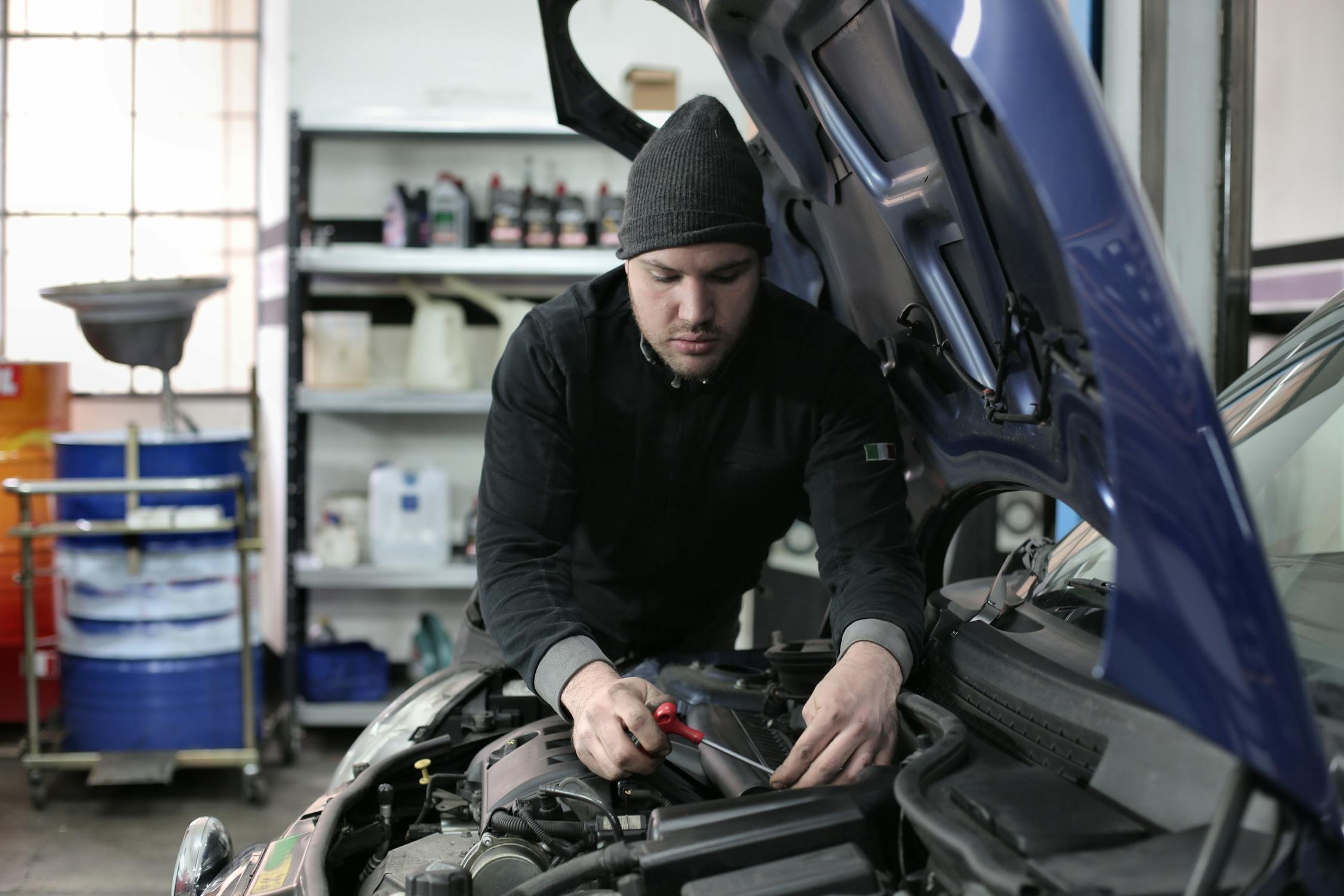
Case Study 1: NA Miata Cold Air Intake Box
Application: Custom cold air intake airbox for 1990 Mazda Miata
- Material: ASA (black)
- Print time: 18 hours (multi-part assembly)
- Material cost: $15
- OEM equivalent: N/A (custom design)
- Aftermarket equivalent: $250+
- In service: 2 years, 15,000 miles, no issues
The owner designed a custom intake that routes air from behind the headlight bucket, providing true cold air induction. The multi-piece design allows installation without removing major components and includes provisions for MAF sensor mounting.
Case Study 2: E30 BMW Heater Core Bypass Valve Bracket
Application: Replacement for discontinued OEM bracket that supports heater valve
- Material: PA-CF (carbon fiber nylon)
- Print time: 4 hours
- Material cost: $8
- OEM price: Discontinued (used parts: $80+)
- In service: 18 months, 8,000 miles, including track days
This functional bracket supports the heater core bypass valve in a classic BMW. The PA-CF material handles engine bay heat while providing enough rigidity to prevent valve movement under vibration.
Case Study 3: Porsche 944 Door Handle Reinforcement
Application: Internal reinforcement for plastic door handles prone to breakage
- Material: Polycarbonate
- Print time: 2 hours per handle
- Material cost: $3
- OEM replacement handle: $400+ each
- In service: 3 years, daily driver use, both handles still functional
Rather than replacing the entire handle assembly, this maker designed an internal reinforcement that bonds to the existing handle, strengthening the known weak point. This approach saved over $800 compared to OEM replacement.
Getting Started: Your First Functional Part
Ready to print your first functional car part? Here's a recommended progression that builds skills while minimizing risk:
Beginner Projects (Low Risk)
- Interior trim clips: If they fail, trim just pops off—annoying, not dangerous
- Phone/GPS mounts: Non-critical, easy to test and iterate
- Fuse box covers: Protective but not structural
- Wire harness clips: Low stress, easy to inspect
Intermediate Projects (Medium Risk)
- Air intake ducts: Must handle heat, but failure just reduces performance
- Sensor brackets: Need accuracy and vibration resistance
- HVAC vents: Temperature cycling, mechanical actuation
- Fluid reservoir brackets: Must hold weight and resist chemicals
Advanced Projects (Higher Stakes)
- Intercooler mounts: Heavy load, high heat
- Velocity stacks: Precision fitment, heat cycling
- Structural reinforcement: Requires engineering analysis
🔧 Share Your Functional Prints
Our community thrives on shared knowledge. When you design a functional part that works well, upload it to our parts library so other makers can benefit. Include your material choice, print settings, and how long the part has been in service.
Frequently Asked Questions
Are 3D printed parts strong enough for automotive use?
Yes, when designed properly and printed with appropriate materials. Carbon fiber reinforced nylon and polycarbonate can exceed the strength of many OEM plastic parts. The key is matching material properties to the specific application requirements and designing for the layer-by-layer manufacturing process.
What's the most heat-resistant 3D printing material for engine bay parts?
For consumer-level 3D printing, PPS (Polyphenylene Sulfide) offers the highest heat resistance at 200°C+, but requires specialized equipment. More accessible options include PA-CF (150-180°C) and Polycarbonate (120-140°C). ASA (100°C) is suitable for many engine bay applications away from exhaust components.
How long do 3D printed functional car parts last?
With proper material selection and design, 3D printed functional parts can last the life of the vehicle. Many makers report 5+ years of service with no degradation. UV-stabilized materials like ASA are particularly important for parts with sun exposure. Regular inspection during the first year is recommended.
Can I sell 3D printed car parts?
Yes, but with important caveats. You can sell parts for vehicle customization and non-safety-critical applications. However, selling parts for brake, steering, or suspension systems may create liability issues and potentially violate safety regulations. Always clearly document what the parts are intended for and their limitations.
Do I need an enclosed 3D printer for functional parts?
For many materials, yes. ASA, ABS, Nylon, and Polycarbonate all require an enclosure to prevent warping and ensure proper layer adhesion. PETG can be printed without an enclosure for interior parts. If you're serious about functional automotive printing, invest in an enclosed machine or build an enclosure for your existing printer.
How do I know if my 3D printed part will fail?
Inspect parts for visible layer lines, voids, or delamination. Test fit and load before final installation. Monitor new installations weekly for the first month. Signs of impending failure include: discoloration, surface cracks, dimensional changes, or unusual flexibility. Replace parts at the first sign of degradation.
The Future of Functional 3D Printed Car Parts
The landscape of automotive 3D printing is evolving rapidly. Technologies that were industrial-only five years ago are now accessible to hobbyists, and the next generation of materials and machines will unlock even more possibilities.

Emerging Trends
- Metal 3D printing accessibility: Desktop metal sintering is becoming affordable, enabling aluminum and steel functional parts
- Continuous fiber reinforcement: Technologies embedding continuous carbon or glass fiber for extreme strength
- Multi-material printing: Single prints combining rigid and flexible sections, or different materials in one part
- AI-assisted design: Generative design tools optimizing parts for 3D printing and load requirements automatically
- On-demand manufacturing networks: Services that print and ship functional parts overnight
For makers today, the message is clear: master the fundamentals of functional 3D printing now, and you'll be positioned to take advantage of even more capable technology as it becomes available. The skills in material selection, design for additive manufacturing, and testing protocols will remain relevant regardless of what new technologies emerge.
Conclusion: Start Printing Functional Parts Today
3D printed functional car parts represent a genuine paradigm shift in how we approach automotive maintenance, customization, and restoration. The technology is mature enough that everyday makers can produce parts that meet—and sometimes exceed—the performance of OEM components, at a fraction of the cost.
The keys to success are:
- Material selection: Match HDT, strength, and chemical resistance to your application
- Design for manufacturing: Orient parts correctly, use appropriate wall thickness and infill
- Testing discipline: Verify parts before installation, monitor during initial service
- Know your limits: Never compromise on safety-critical systems
- Community learning: Share your designs and learn from others' experience
Whether you're keeping a classic car on the road with parts no longer manufactured, customizing a project car with components that don't exist off-the-shelf, or simply learning a valuable new skill, functional 3D printing has something to offer. Browse our community parts library, join the discussion forum, and start your functional printing journey today.
The car you want to build is waiting. The parts are just a print away.
Reference shelf
Materials and equipment referenced here
Optional product references matched to the material or printer discussion above. Use the specifications—not the brand name—to decide what fits your setup.
| Referenced item | What to verify | Price & availability |
|---|---|---|
| PETG filamentAmazon · Affiliate link | Amazon product page for 1.75 mm PETG; confirm colour, spool size, print temperature, seller, and delivery region. | Check price at Amazon |
| ASA filamentAmazon · Affiliate link | Amazon product page for 1.75 mm ASA; use an enclosure and suitable ventilation, and confirm seller and regional availability. | Check price at Amazon |
| ABS filamentAmazon · Affiliate link | Amazon product page for 1.75 mm ABS; use an enclosure and suitable ventilation, and verify temperature requirements and seller. | Check price at Amazon |
Affiliate disclosure: if you buy through an eligible link, 3DPrintedCarPart may earn a commission at no extra cost to you. As an Amazon Associate I earn from qualifying purchases. Confirm product specifications, compatibility, seller terms, and vehicle safety before ordering or using anything. Amazon may redirect you to a nearby supported store; otherwise the original Amazon.com page remains available.


