

Carbon fiber has become the holy grail of automotive performance—lighter than aluminum, stronger than steel, and with that unmistakable woven aesthetic that screams "race car." But traditional carbon fiber fabrication requires expensive molds, specialized equipment, and skills that take years to master. Enter 3D printing, which is revolutionizing how DIY enthusiasts and professional fabricators alike create carbon fiber car parts.

Whether you're printing directly with carbon fiber-reinforced filaments like PA-CF or using your 3D printer to create molds for traditional layup, the technology opens doors that were firmly closed to hobbyists just a decade ago. In this comprehensive guide, we'll explore both approaches and help you choose the right method for your automotive project.
Understanding Carbon Fiber 3D Printing: Two Distinct Approaches
When people say "carbon fiber 3D printing," they could mean two very different things:
Method 1: Carbon Fiber-Reinforced Filaments
Thermoplastics (like nylon or PETG) infused with chopped carbon fibers. These print on modified FDM printers and create parts with enhanced stiffness and heat resistance—perfect for functional automotive components.
Method 2: 3D Printed Molds for Traditional Layup
Using 3D printing to create molds, plugs, or patterns for traditional carbon fiber layup with woven sheets and epoxy resin. This produces true continuous-fiber carbon parts with that signature aesthetic and maximum strength-to-weight ratio.
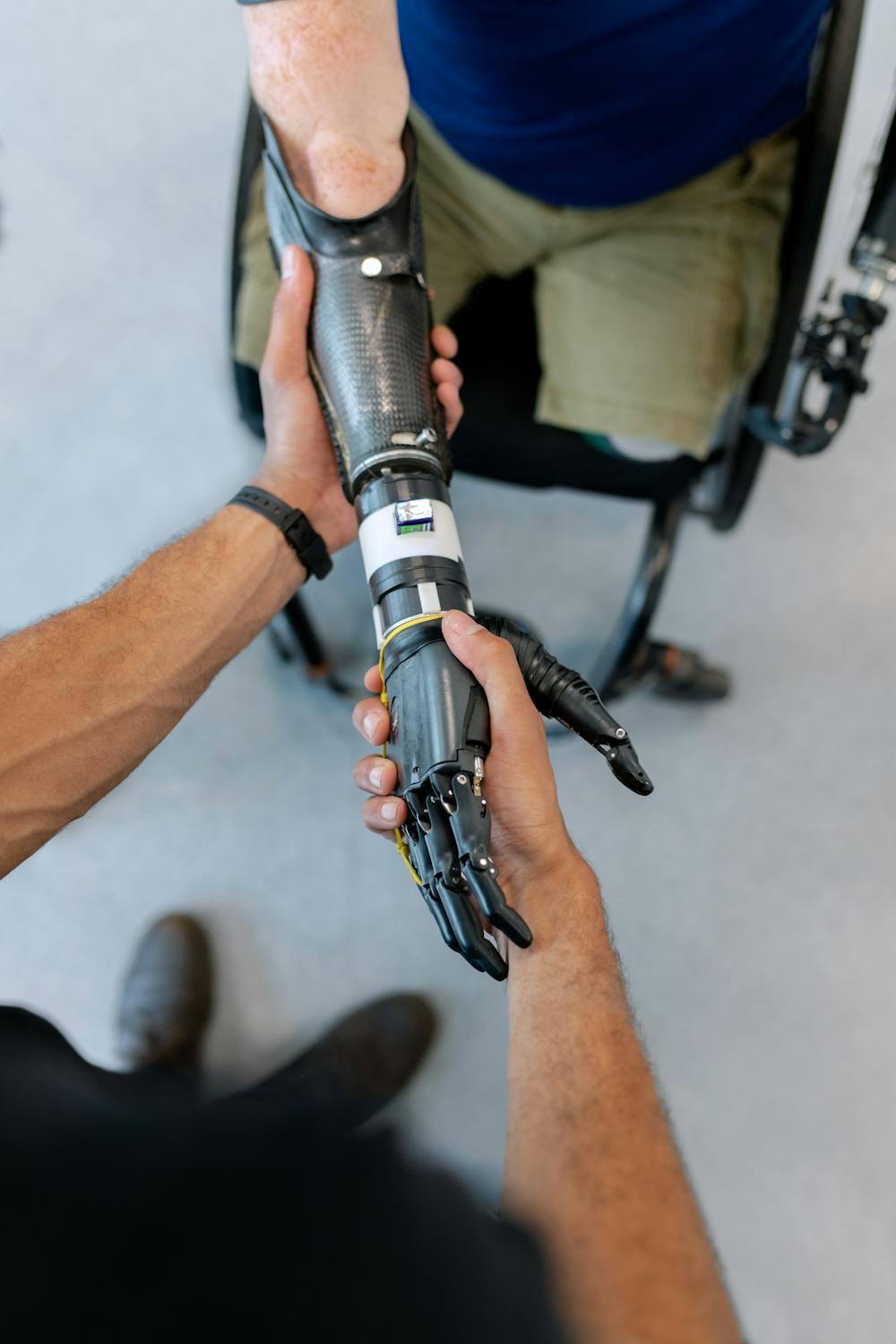
Both methods have legitimate automotive applications, and many serious builders use both depending on the part requirements. Let's dive deep into each approach.
Carbon Fiber-Reinforced Filaments for Automotive Use
Carbon fiber filaments contain chopped carbon fibers (typically 10-20% by weight) embedded in a thermoplastic base. This creates a composite material that's stiffer, lighter, and more heat-resistant than the base plastic alone.
Filament Types Comparison
| Material | HDT (°C) | Tensile Strength | Best For | Difficulty |
|---|---|---|---|---|
| PLA-CF | 52-55°C | Moderate | Prototypes, display parts | ⭐ Easy |
| PETG-CF | 70-78°C | Good | Interior parts, low-temp areas | ⭐⭐ Moderate |
| ABS-CF | 88-98°C | Good | Dashboard, under-dash areas | ⭐⭐⭐ Hard |
| ASA-CF | 95-105°C | Good | Exterior parts, UV exposure | ⭐⭐⭐ Hard |
| PA-CF (Nylon-CF) | 150-180°C | Excellent | Engine bay, high-stress parts | ⭐⭐⭐⭐ Expert |
| PC-CF | 130-145°C | Excellent | Structural, impact-resistant | ⭐⭐⭐⭐ Expert |
⚠️ Important: PLA-CF Is NOT Automotive-Grade
Despite marketing claims, PLA-CF will warp and deform in car interiors. Summer dashboard temperatures can exceed 70°C (158°F), well above PLA's heat deflection temperature. Use PLA-CF only for prototyping and test fitting—never as final installed parts.
Top 10 Automotive Applications for CF Filaments
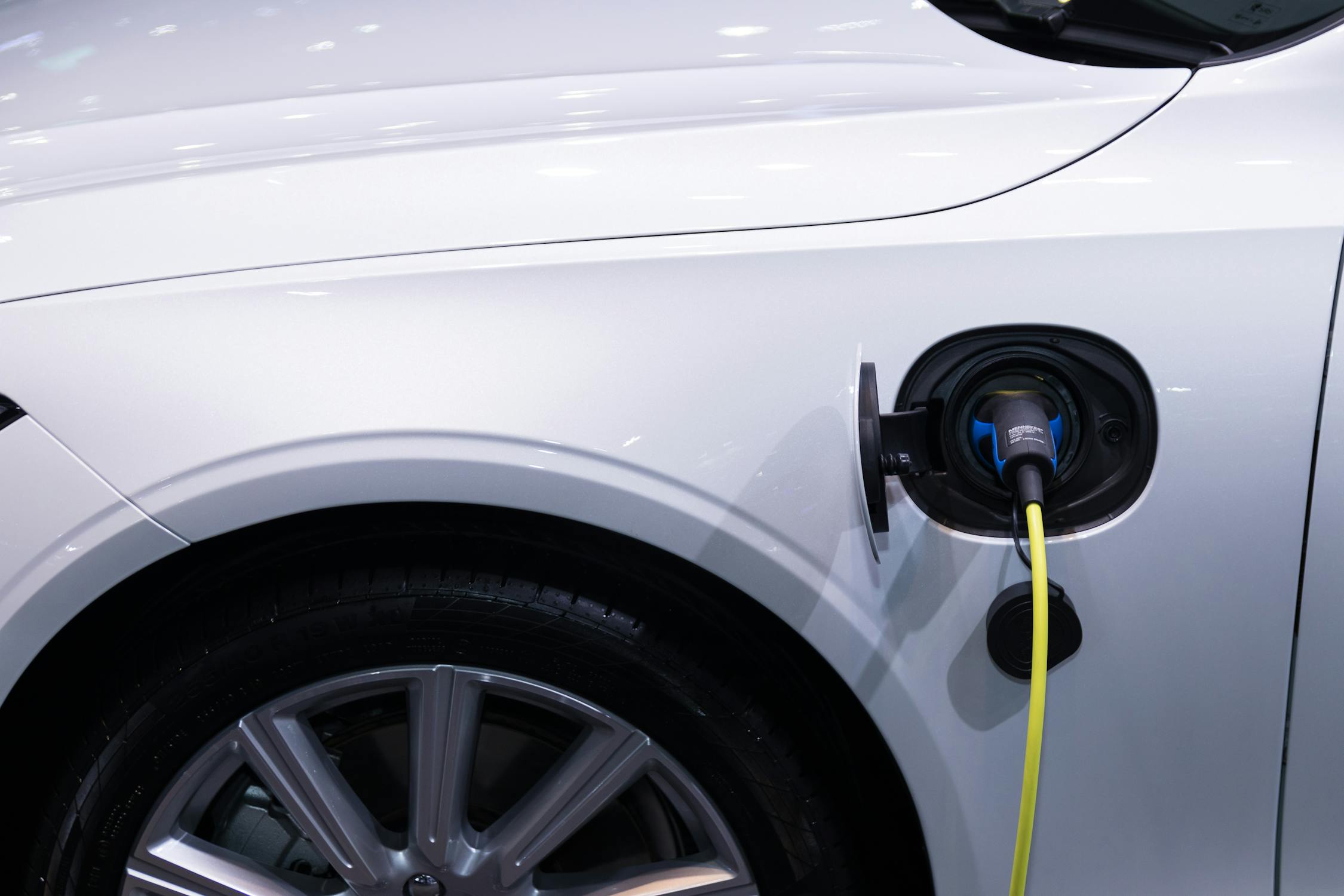
Carbon fiber filaments excel where you need stiffness, dimensional stability, and heat resistance. Here are the most practical applications:
- Air Intake Ducting: PA-CF handles engine bay temps while reducing intake charge temperatures better than plastic
- Gauge Pods & Pillar Mounts: Stiff enough to hold gauges without vibration; looks professional
- Fuse Box Covers: Dimensionally stable despite thermal cycling
- ECU Brackets: Excellent vibration dampening properties
- Catch Can Brackets: Heat-resistant mounting for oil catch cans
- Coolant Reservoir Brackets: Handles under-hood temperatures (with PA-CF)
- Sensor Housings: Precise fitment stays accurate over temperature ranges
- Cable Guides & Clips: Won't creep or deform over time
- Interior Trim Pieces: Subtle matte CF texture, UV-stable with ASA-CF
- Shift Knob Inserts: Weight reduction while maintaining rigidity
Printer Requirements for Carbon Fiber Filaments
Carbon fiber filaments are abrasive—the chopped fibers will destroy brass nozzles within hours. Here's what you need:
| Component | Requirement | Why It Matters |
|---|---|---|
| Nozzle | Hardened steel, tungsten carbide, or ruby | Carbon fibers destroy brass in hours |
| Hotend Temp | Up to 300°C+ for PA-CF | Nylon requires high temps |
| Bed Temp | Up to 110°C (PA-CF needs glue stick) | Warping prevention |
| Enclosure | Required for ABS-CF, PA-CF, PC-CF | Prevents warping and layer splitting |
| Filament Dryer | Essential for nylon-based materials | Nylon absorbs moisture rapidly |

Recommended Printers for CF Filaments
| Printer | Price | Max Materials | Notes |
|---|---|---|---|
| Bambu Lab P1S | $699 | PA-CF, PC-CF | Best value enclosed printer |
| Bambu Lab X1C | $1,199 | PA-CF, PC-CF, PAHT-CF | Hardened nozzle included |
| Creality K1C | $459 | PA-CF | Budget CF-ready option |
| Qidi X-Max 3 | $799 | PA-CF, PC-CF | Large build volume |
| Prusa MK4 + Enclosure | $1,099+ | PA-CF (with mods) | Excellent community support |
Print Settings for Carbon Fiber Filaments
Getting the best results from CF filaments requires dialing in your settings. Here are proven starting points:
| Setting | PETG-CF | ABS-CF | PA-CF |
|---|---|---|---|
| Nozzle Temp | 245-260°C | 250-270°C | 270-290°C |
| Bed Temp | 75-85°C | 95-110°C | 85-100°C |
| Print Speed | 40-60mm/s | 40-50mm/s | 30-50mm/s |
| Layer Height | 0.2-0.28mm | 0.2-0.28mm | 0.16-0.24mm |
| Infill | 25-50% | 25-50% | 30-60% |
| Walls | 3-4 | 3-4 | 4-5 |
| Cooling | 30-50% | 0-20% | 20-40% |
| Enclosure | Optional | Required | Required |
💡 Pro Tip: Dry Your Filament
PA-CF absorbs moisture like a sponge. Always dry at 80°C for 6-12 hours before printing, and print directly from a dry box. Wet nylon will pop, string, and produce weak parts with poor layer adhesion.
3D Printed Molds for Traditional Carbon Fiber Layup
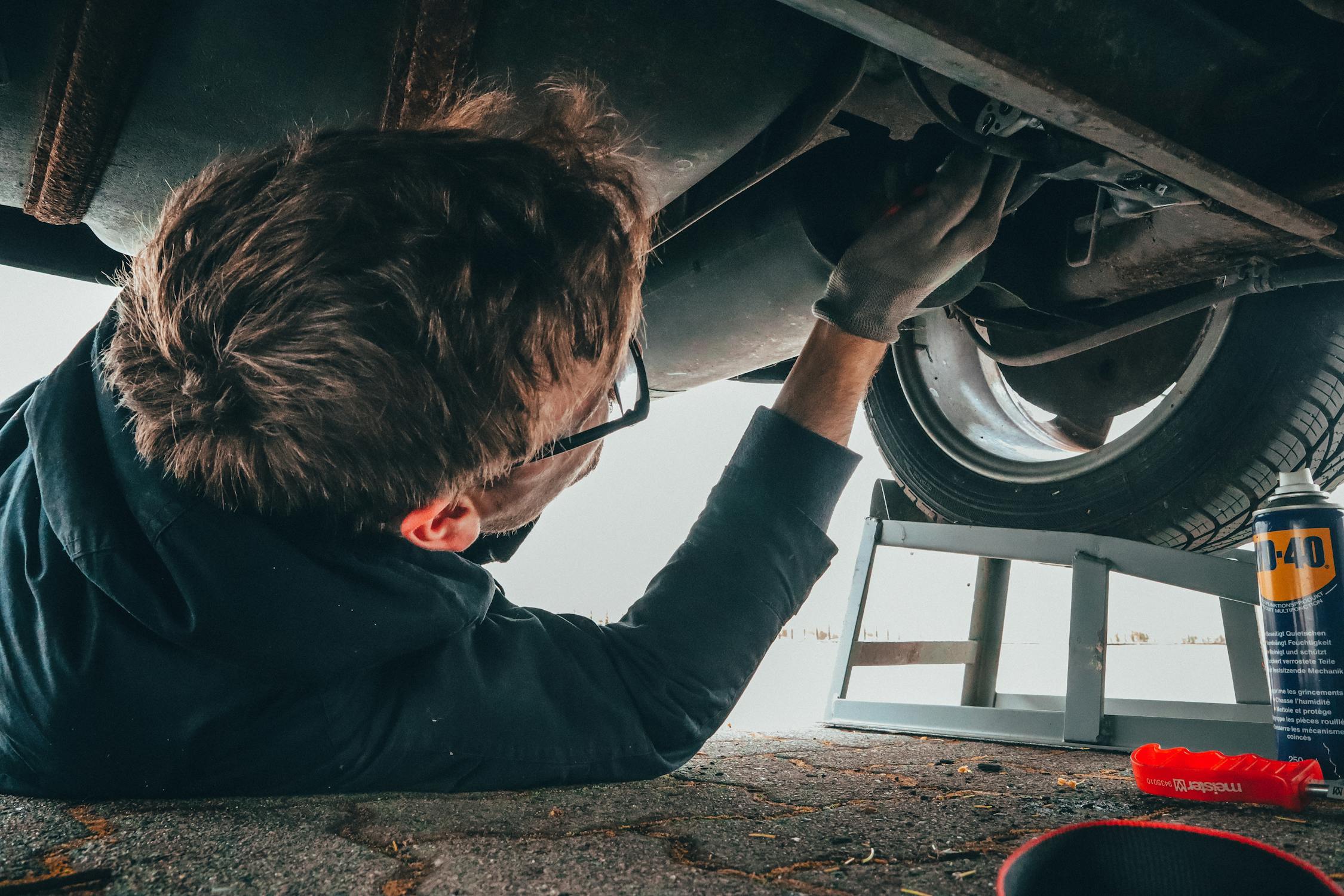
The second approach—using 3D printing to create molds for traditional carbon fiber fabrication—produces parts that look and perform like professional race car components. This is how teams like Panoz Racing create custom aero components.
Why 3D Print Molds?
- Cost reduction: Traditional machined molds cost $500-$5,000+; printed molds are $20-100 in material
- Speed: Go from CAD to ready-to-use mold in 24-48 hours
- Complexity: Create shapes impossible to machine conventionally
- Iteration: Modify and reprint quickly when designs change
- One-offs: Economical for single parts or small batches
The Mold-Making Workflow
Step 1: Design Your Part
Create the desired final part shape in CAD (Fusion 360, Shapr3D, etc.). Account for material thickness—carbon fiber layup typically adds 1-3mm to your final dimensions.
Step 2: Generate the Mold
Create a negative (inverse) of your part. Key considerations:
- Add 2-3° draft angle for easy part release
- Include flanges for clamping during layup
- Design for structural rigidity—molds flex under vacuum pressure
- Split complex shapes into multiple mold pieces

Step 3: Print the Mold
Material choice depends on your epoxy system:
- Room-temp cure epoxy: PETG, ABS, or PLA works fine
- Low-temp cure (60-80°C): Use ABS, ASA, or high-temp resin
- High-temp cure (120°C+): Requires PEEK, PEI, or machined tooling
Step 4: Surface Prep
FDM layer lines transfer to your final part. To achieve a smooth surface:
- Sand progressively: 120 → 240 → 400 → 800 grit
- Apply filler primer (automotive primer works well)
- Sand again to 800-1200 grit
- Apply release agent (wax or PVA release film)
Step 5: Lay Up Carbon Fiber
Standard hand layup or vacuum bagging process:
- Cut carbon fiber sheets to pattern
- Apply epoxy resin (wet layup) or use prepreg
- Layer sheets at alternating angles (0°/90° or 0°/45°/90°/-45°)
- Apply vacuum bag for consolidation (recommended)
- Cure per epoxy specifications
Mold Materials Comparison
| Material | Max Cure Temp | Surface Quality | Durability | Cost |
|---|---|---|---|---|
| PLA | Room temp only | Needs heavy prep | 1-3 uses | $20/kg |
| PETG | Up to 65°C | Good with prep | 3-10 uses | $25/kg |
| ABS | Up to 85°C | Excellent (acetone smooth) | 10-20 uses | $25/kg |
| SLA Resin (High-Temp) | Up to 120°C | Excellent | 5-15 uses | $50-80/L |
| Fiberglass-backed FDM | Per base material | Very good | 50+ uses | $30-50 total |
✅ Best Practice: Fiberglass-Backed Molds
For molds you'll use multiple times, 3D print a thin shell and back it with fiberglass. This creates a dimensionally accurate face (from the print) with the structural rigidity of a composite mold. The 3D printed surface can be easily replaced if damaged.
Real-World Case Study: 240Z Datsun Carbon Fiber Build

One of the most impressive examples of 3D printed carbon fiber mold work comes from builders restoring and modifying classic Japanese sports cars. A Tesla-swapped 240Z Datsun project demonstrates the full workflow:
The Challenge
Custom widebody fenders and aero components for a one-off build. Traditional fiberglass mold making would cost thousands and take weeks.
The Solution
- 3D scanned original body panels
- Designed widebody extensions in CAD
- Printed large-format molds on a Creality CR-10 Max
- Laid up carbon fiber using vacuum bagging
- Total mold cost: Under $200 in filament
The Result
Professional-quality carbon fiber body panels at a fraction of the cost of outsourcing. The 3D printed molds allowed rapid iteration when fitment adjustments were needed.
Cost Comparison: CF Filament vs Traditional Carbon Fiber
| Factor | CF Filament (PA-CF) | Traditional Layup |
|---|---|---|
| Material Cost | $50-80/kg filament | $30-60/m² fabric + $40-100 epoxy |
| Tooling Cost | $0 (direct print) | $20-200 (3D printed mold) |
| Equipment | $500-1,500 printer | $300-500 vacuum setup + printer |
| Time per Part | 4-12 hours (automated) | 2-4 hours layup + 8-24 hours cure |
| Strength | Good (chopped fiber) | Excellent (continuous fiber) |
| Appearance | Matte black/gray | Classic woven carbon look |
| Skill Required | Moderate (printing) | High (layup technique) |

Choosing the Right Approach
Both methods have their place. Here's a quick decision framework:
Choose CF Filament When:
- You need functional strength without the "carbon look"
- Parts require precise dimensions (brackets, housings, mounts)
- You're making one-off functional components
- Heat resistance is critical (engine bay applications)
- Time is limited—press print and walk away
Choose 3D Printed Molds + Traditional Layup When:
- You want the classic woven carbon fiber aesthetic
- Maximum strength-to-weight ratio is essential
- Parts are large (body panels, aero components)
- You're making multiple copies of the same part
- Professional appearance matters (show cars, racing)
Safety Considerations

Working with carbon fiber—whether filaments or traditional layup—requires safety awareness:
🚨 Never 3D Print Safety-Critical Components
Regardless of material, do not 3D print brake components, suspension parts, wheel spacers for driving, steering components, or anything where failure could cause injury. Carbon fiber filaments are strong, but layer adhesion creates potential failure points that don't exist in injection-molded or traditionally manufactured parts.
CF Filament Safety
- Ventilation: PA-CF releases fumes when printed—use an enclosure with filtration or print in a well-ventilated space
- Skin protection: Carbon fiber splinters can cause irritation; wear gloves when handling raw filament
- Dust control: When sanding CF prints, carbon dust is harmful to inhale—use a respirator
Traditional Layup Safety
- Epoxy handling: Use nitrile gloves—epoxy causes sensitization and allergic reactions
- Respiratory protection: N95 minimum when sanding cured carbon; P100 when working with uncured epoxy
- Eye protection: Always wear safety glasses—carbon splinters in eyes require medical attention
- Fire safety: Some epoxies are flammable; keep away from heat sources
Where to Find Carbon Fiber 3D Printing Files

Ready to start your carbon fiber project? Here's where to find STL files and design inspiration:
- 3D Printed Car Part community library — Vehicle-specific parts designed for CF materials
- Printables — Large collection of automotive STLs
- Thingiverse — Classic repository with thousands of car parts
- GrabCAD — Engineering-grade CAD files for professional projects
🔧 Ready to Start Your Carbon Fiber Project?
Join our community of automotive makers! Share your builds, get feedback on designs, and connect with others pushing the limits of 3D printed car parts.
Join the Community →Frequently Asked Questions
Is carbon fiber filament as strong as real carbon fiber?
No. Carbon fiber filaments contain chopped fibers that improve stiffness and reduce weight compared to plain plastic, but they don't match the strength-to-weight ratio of traditional continuous-fiber carbon layup. For maximum strength, use 3D printed molds with traditional layup techniques.
Can I use PLA-CF for car parts?
Only for prototyping and test fitting. PLA-CF has a heat deflection temperature around 52-55°C, while car interiors regularly exceed 70°C in summer. Your parts will warp and fail. Use ASA-CF minimum for interior parts, PA-CF for anything near the engine.
How long do 3D printed carbon fiber molds last?
Depends on the material and cure temperature. A PETG mold with room-temp epoxy might last 3-10 uses. An ABS mold properly prepped and backed with fiberglass can last 50+ uses. For production runs, invest in proper tooling.
Do I need a special printer for carbon fiber filament?
You need a hardened nozzle (brass will be destroyed within hours), and for PA-CF/PC-CF, you need an enclosed printer capable of high temperatures. Many modern printers like the Bambu X1C come CF-ready out of the box.
Is 3D printed carbon fiber street legal?
It depends on the part. Interior trim, brackets, and non-structural components are generally fine. Never 3D print safety-critical components regardless of material. For body panels, check local regulations regarding modifications.
Where can I get carbon fiber 3D printed parts made?
Services like Craftcloud, Xometry, and JLC3DP offer PA-CF printing. Alternatively, connect with makers in our community forum who may take on custom projects.
Final Thoughts
Carbon fiber 3D printing—whether using reinforced filaments directly or printing molds for traditional layup—has democratized access to what was once exclusively professional-grade manufacturing. For functional automotive parts that need stiffness and heat resistance, PA-CF printed directly gives you 80% of the benefit with 20% of the effort. For show-quality aero components where appearance matters, 3D printed molds enable traditional layup without the traditional tooling costs.
The technology continues to advance rapidly. Continuous fiber printing systems like Markforged are making true carbon fiber 3D printing possible, though costs remain high. Meanwhile, materials like PAHT-CF (high-temperature nylon) are pushing the boundaries of what's possible with standard FDM printers.
Whatever approach you choose, start small. Print a simple bracket in PA-CF or make a test mold for a small cosmetic piece. Build your skills and confidence before tackling that dream widebody project. The community is here to help—share your projects, ask questions, and learn from others who've been down this road.
🏁 Share Your Carbon Fiber Builds!
Working on a carbon fiber project? We want to see it! Post your work-in-progress shots, finished parts, and lessons learned in the community forum.
Visit the Forum →Reference shelf
Materials and equipment referenced here
Optional product references matched to the material or printer discussion above. Use the specifications—not the brand name—to decide what fits your setup.
| Referenced item | What to verify | Price & availability |
|---|---|---|
| PETG filamentAmazon · Affiliate link | Amazon product page for 1.75 mm PETG; confirm colour, spool size, print temperature, seller, and delivery region. | Check price at Amazon |
| ASA filamentAmazon · Affiliate link | Amazon product page for 1.75 mm ASA; use an enclosure and suitable ventilation, and confirm seller and regional availability. | Check price at Amazon |
| ABS filamentAmazon · Affiliate link | Amazon product page for 1.75 mm ABS; use an enclosure and suitable ventilation, and verify temperature requirements and seller. | Check price at Amazon |
Affiliate disclosure: if you buy through an eligible link, 3DPrintedCarPart may earn a commission at no extra cost to you. As an Amazon Associate I earn from qualifying purchases. Confirm product specifications, compatibility, seller terms, and vehicle safety before ordering or using anything. Amazon may redirect you to a nearby supported store; otherwise the original Amazon.com page remains available.


