

Every car enthusiast knows the frustration: your vehicle's grille has seen better days. Maybe the honeycomb mesh is cracked from a parking lot mishap, the OEM insert is discontinued, or you simply want a custom look that sets your ride apart. This is where 3D printed car grille inserts transform from novelty to necessity. With the right materials and approach, you can manufacture custom grille components that rival OEM quality at a fraction of the cost.
In this comprehensive guide, we'll cover everything you need to know about designing, printing, and installing custom grille inserts—from material selection that survives extreme UV exposure to finishing techniques that make your prints look factory-fresh.
Why 3D Print Car Grille Inserts?

The automotive aftermarket industry generates over $500 billion annually, yet finding the exact grille insert for your specific vehicle can feel impossible. Manufacturers discontinue parts within years of a model's production end, leaving owners of classic and even recent vehicles scrambling for alternatives.
3D printing solves this problem elegantly. Whether you're restoring a classic Porsche 944 with unobtainable grille pieces or creating a custom mesh pattern for your daily driver, additive manufacturing puts the power of customization in your hands.
💡 Key Benefits of 3D Printed Grille Inserts
- Cost savings: Print for $5-20 vs. $100-500+ OEM
- Unlimited customization: Any pattern, color, or design
- Discontinued parts: Reverse engineer unobtainable pieces
- Perfect fit: Measured and designed for your exact vehicle
- Rapid iteration: Test fit and refine before final production
Understanding Grille Insert Types
Before diving into printing, it's crucial to understand the different types of grille inserts and their unique requirements. Each style presents different design challenges and material considerations.
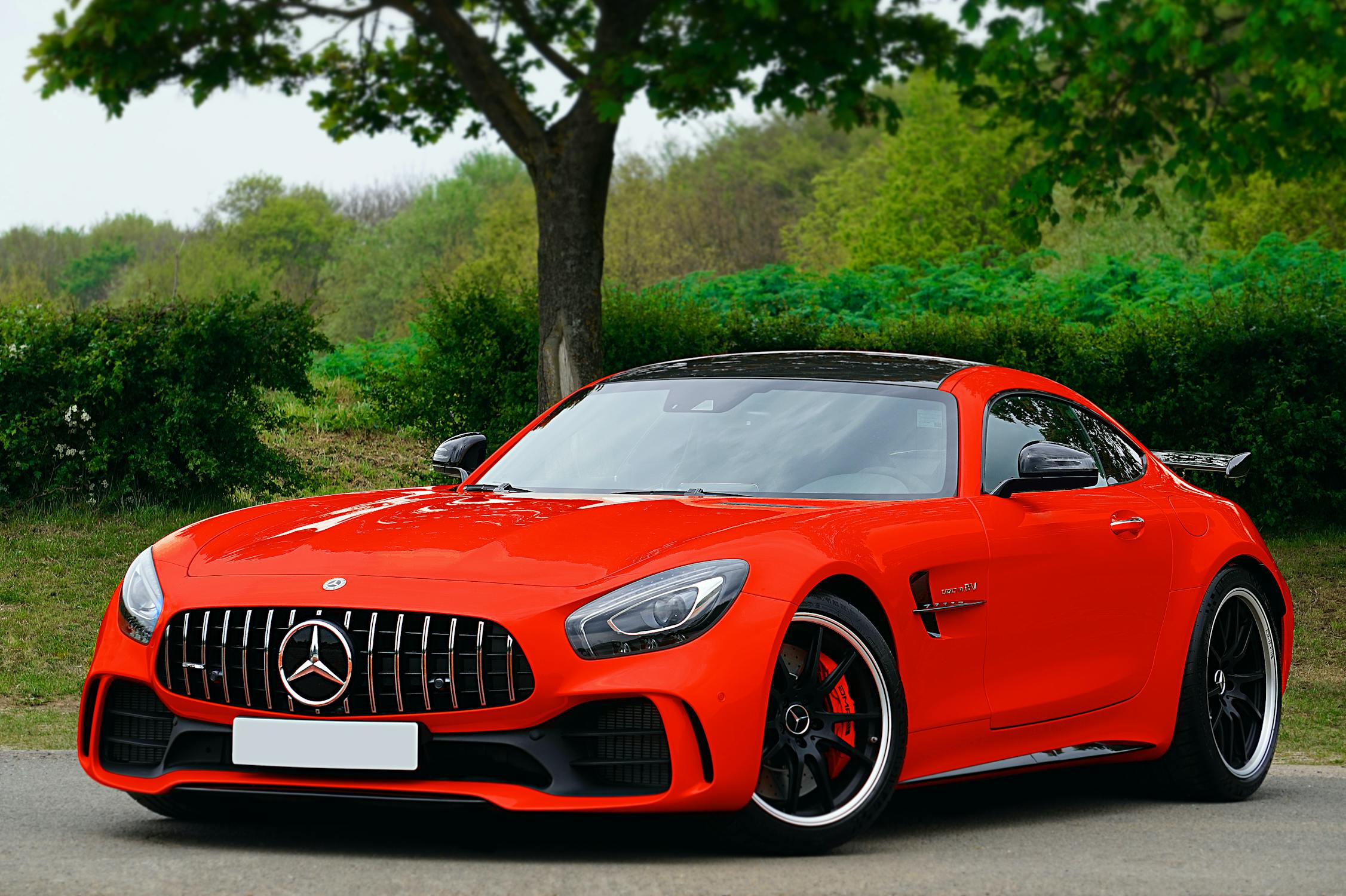
Honeycomb Mesh Inserts
The most common style, featuring hexagonal patterns that provide excellent airflow while adding an aggressive aesthetic. These require careful attention to layer adhesion since each hex cell creates thin walls that can delaminate under stress.
Horizontal Slat Inserts
Classic horizontal lines popular on European vehicles. Structurally simpler than honeycomb but often require support material during printing depending on overhang angles.
Custom Mesh Patterns
Diamond, vertical, diagonal, or completely original patterns. The beauty of 3D printing is unlimited creativity—you can design patterns that no manufacturer has ever produced.
Replacement OEM Pieces
Direct replicas of factory grille inserts, either for restoration or to replace damaged components. These require precise measurements or 3D scanning of existing parts.
| Insert Type | Difficulty | Print Challenges | Best Material |
|---|---|---|---|
| Honeycomb Mesh | Intermediate | Thin walls, bridging | ASA, ABS |
| Horizontal Slats | Beginner | Minimal overhangs | ASA, PETG |
| Custom Patterns | Advanced | Design-dependent | ASA |
| OEM Replacements | Intermediate | Precise dimensions, clips | ASA, PA-CF |
Material Selection for Exterior Grille Parts
Material choice is the single most critical decision for grille inserts. Unlike interior parts, grille components face the harshest automotive environment: constant UV bombardment, temperature extremes from -20°F to 180°F+ behind a dark surface in summer sun, road debris impact, and chemical exposure from road salt and cleaning products.

⚠️ Critical Warning: Never Use PLA for Exterior Parts
PLA has a glass transition temperature of only 55-60°C (131-140°F). Your grille can easily reach 80-100°C in direct sunlight. PLA grille inserts will warp, sag, and deform within days of installation. This isn't a "maybe"—it's a certainty.
ASA: The Grille Insert Champion
Acrylonitrile Styrene Acrylate (ASA) was literally engineered for outdoor automotive applications. It offers excellent UV resistance without degradation, a heat deflection temperature of 95-100°C, and impact strength that handles minor debris. Most importantly, ASA maintains dimensional stability through temperature cycling that would destroy lesser materials.
ASA is essentially "outdoor ABS"—it shares ABS's excellent mechanical properties while adding the UV resistance that ABS lacks. For grille inserts, ASA should be your default choice.
Alternative Materials
| Material | HDT (°C) | UV Resistance | Grille Suitability | Notes |
|---|---|---|---|---|
| ASA | 95-100°C | Excellent | ⭐ Best Choice | Engineered for automotive exterior |
| ABS + UV Coating | 88-100°C | Poor (without coating) | Good with paint | Requires UV-blocking topcoat |
| PA-CF (Carbon Nylon) | 150-180°C | Good | Excellent | Premium option, requires drying |
| Polycarbonate (PC) | 130-140°C | Moderate | Good | Impact resistant, difficult to print |
| PETG | 65-75°C | Moderate | Marginal | Only for cool climates, shaded areas |
| PLA | 55-60°C | Very Poor | ❌ Never | Will deform in normal conditions |
Finding and Creating Grille Insert Designs
You have three main paths to getting a printable grille insert design: download existing files, design your own, or commission a custom design. Each has trade-offs in cost, time, and fitment accuracy.

Community File Libraries
Start by searching our parts library and popular platforms like Printables, Thingiverse, and Cults3D. Search for your specific vehicle make/model plus "grille" or "grill" (both spellings are used). You'll be surprised how many vehicle-specific designs exist—from BMW kidney grilles to Mustang honeycomb inserts.
Designing Your Own
For custom or replacement grille inserts, you'll need accurate measurements. The best approach is:
- Remove the existing grille (if possible) for precise measurement access
- Document mounting points — clips, tabs, screw holes with exact positions
- Measure the frame opening — length, width, depth, and any curvature
- Account for tolerances — plan for 0.3-0.5mm clearance on snap-fit features
- Model in Fusion 360 or equivalent — see our CAD design guide
Design Tips for Grille Mesh Patterns
- Wall thickness: Minimum 1.5mm for honeycomb ribs, 2mm+ recommended
- Cell size: 10-20mm hexagons print well, smaller requires fine tuning
- Frame thickness: 3-5mm border provides mounting rigidity
- Print orientation: Flat on the bed when possible for strength
- Draft angles: 1-2° taper on clip features for easy snap-in
3D Scanning for Perfect Fit
For discontinued or complex OEM pieces, 3D scanning provides the most accurate path to reproduction. Even a damaged grille can be scanned, repaired digitally, and reprinted. Affordable scanners like the Revopoint MINI (around $400) achieve the precision needed for automotive fitment.
Print Settings for Durable Grille Inserts
Grille inserts must survive impacts, vibration, and thermal cycling. Print settings optimized for strength—not speed or surface quality—are essential.

| Parameter | ASA Setting | Why It Matters |
|---|---|---|
| Nozzle Temperature | 240-260°C | Higher temps improve layer adhesion |
| Bed Temperature | 90-110°C | Prevents warping on large parts |
| Layer Height | 0.2-0.24mm | Balance of speed and strength |
| Wall Count | 4+ walls | Critical for thin honeycomb ribs |
| Infill | 40-60% (grid/cubic) | Impact resistance on solid sections |
| Print Speed | 40-60mm/s | Slower = better layer bonding |
| Enclosure | Required (40-50°C chamber) | Prevents warping and cracking |
| Cooling | 0-30% after first layers | Minimal cooling for ASA |
🔧 Pro Tip: Print Orientation Matters
Print grille inserts flat on the bed whenever possible. This puts the Z-layers parallel to the grille surface, distributing impact forces across many layers instead of trying to delaminate individual layers. For curved grilles that won't print flat, print with the curve's apex at the top.
Multi-Part Grilles for Large Formats
Most consumer 3D printers have a build volume of 250x250mm or less, while car grilles often span 400-800mm+ in width. The solution? Print in sections and join them.

Joining Techniques
- Mechanical interlocks: Design puzzle-piece joints, dovetails, or tongue-and-groove connections
- Solvent welding: Use acetone to chemically bond ASA/ABS pieces (creates molecular-level fusion)
- Adhesive bonding: CA glue (superglue) or 2-part epoxy for structural joints
- Hidden fasteners: Brass heat-set inserts with machine screws behind the grille frame
The best approach combines mechanical interlocks for alignment with solvent welding for permanent bonding. This creates joints stronger than the base material.

Post-Processing and Finishing
Raw 3D printed grilles look... printed. For a factory-finish appearance, post-processing is essential. The effort invested here separates amateur-looking parts from professional results.

Surface Smoothing Options
- Sanding progression: 120 → 220 → 400 → 800 grit for paint-ready surfaces
- Acetone vapor smoothing: Works on ASA/ABS, melts layer lines (careful with warping)
- Filler primer: 2K high-build primers fill layer lines with minimal sanding
- Bondo/body filler: For imperfections and joint seams
Paint and Coating
Even UV-resistant ASA benefits from painting for aesthetic consistency with your vehicle. Follow this process:
- Clean thoroughly — isopropyl alcohol removes oils and dust
- Apply adhesion promoter — plastic-specific primer ensures paint bonds
- Prime with 2K primer — automotive-grade primer provides even base
- Sand primer — 400-600 grit between coats
- Apply basecoat — match your vehicle's paint code for perfect color
- Clear coat — UV-protective automotive clear for durability
✅ Gloss Black: The Easy Win
Most aftermarket grilles are gloss black. Print in black ASA, sand smooth, and apply just 2-3 coats of high-gloss clear coat. This approach skips complex color matching while achieving a showroom-quality finish.
Installation and Fitment
Even perfectly printed parts need proper installation. Take time to test fit before final installation, and have contingency plans for minor adjustments.
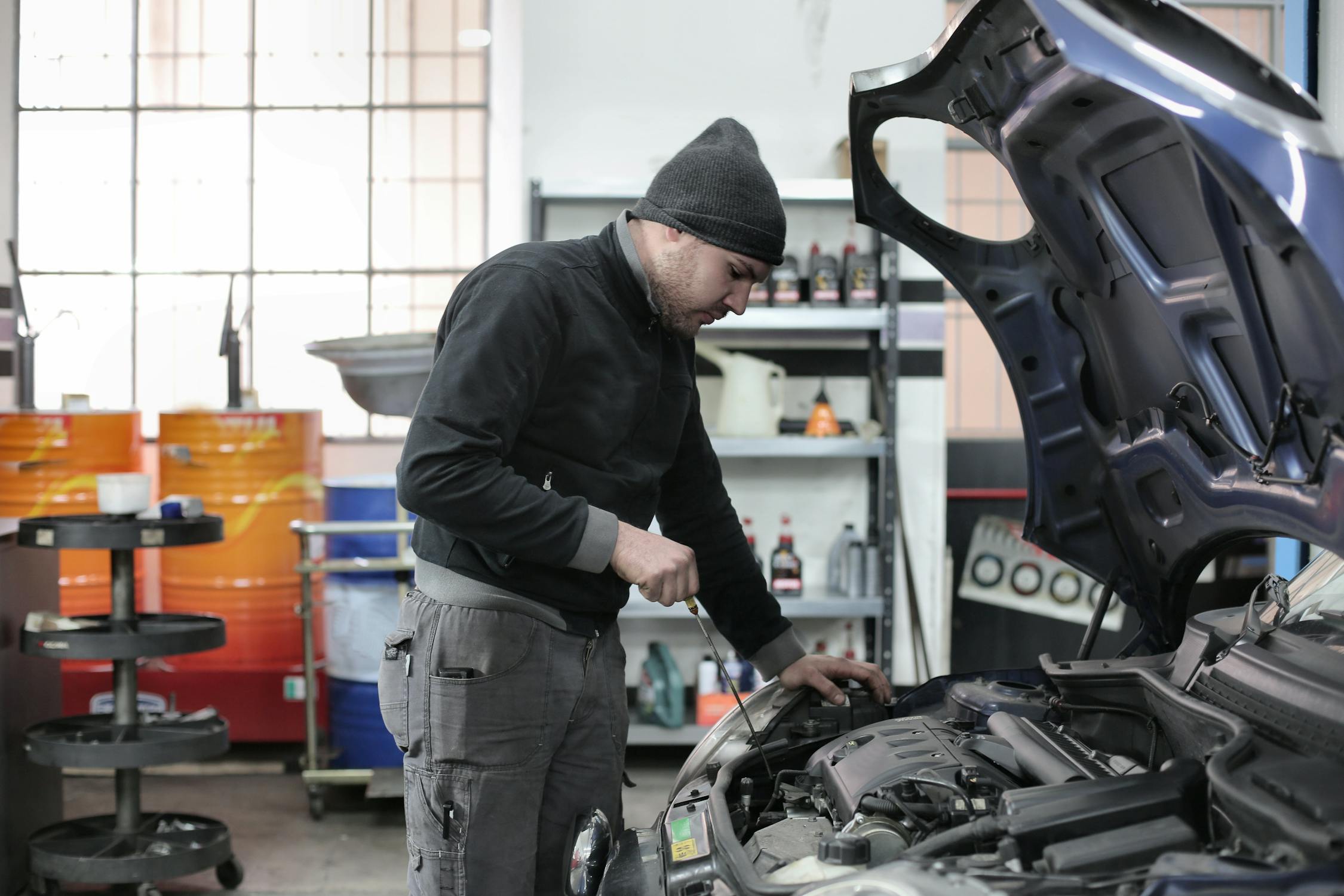
Test Fitting Process
- Dry fit first — check all mounting points without adhesive
- Mark adjustment areas — note tight spots with tape or marker
- Trim as needed — use rotary tools or sharp knives carefully
- Check clearances — ensure nothing contacts moving parts (hood latch, etc.)
- Verify airflow — confirm mesh doesn't block critical cooling paths
Mounting Methods
- OEM-style clips: Print integrated snap clips for tool-free install/removal
- 3M automotive tape: VHB (Very High Bond) tape is permanent and vibration-resistant
- Zip ties: Quick and removable, hidden behind grille frame
- Machine screws: Heat-set brass inserts in printed part, screws into existing holes
Cost Comparison: 3D Printed vs. OEM vs. Aftermarket
Let's look at real-world cost comparisons for common grille insert replacements:
| Grille Type | OEM Price | Aftermarket | 3D Printed | Savings |
|---|---|---|---|---|
| BMW Kidney Grille Insert | $180-350 | $40-80 | $8-15 | 95%+ |
| Mustang Honeycomb Insert | $250-400 | $60-120 | $10-20 | 92%+ |
| Miata NA Lower Grille | $150-250 | $50-90 | $6-12 | 95%+ |
| Classic Car (Discontinued) | $500+ (if found) | N/A | $15-30 | 97%+ |
| Custom Design Mesh | N/A | N/A | $8-20 | ∞ |
Material costs assume ~200-500g of ASA filament at $25-35/kg. The custom design row represents unique designs impossible to buy at any price.
Common Challenges and Solutions
Even experienced makers encounter issues with grille prints. Here's how to solve the most common problems:

Troubleshooting Guide
Problem: Warping on Large Parts
- Ensure enclosure maintains 45-55°C ambient
- Use brim or raft adhesion
- Increase bed temp to 105-110°C
- Reduce cooling fan percentage
Problem: Thin Honeycomb Walls Breaking
- Increase wall count to 4-5
- Reduce print speed to 40mm/s
- Bump nozzle temp up 5-10°C
- Check for proper layer adhesion
Problem: Parts Don't Fit Frame
- Verify printer is calibrated (print test cube)
- Account for material shrinkage (0.5-1% for ASA)
- Add 0.3-0.5mm clearance to snap features
- Remeasure original and adjust CAD model
Problem: Surface Quality Uneven
- Ensure filament is dry (ASA absorbs moisture)
- Level bed carefully before printing
- Use consistent extrusion multiplier
- Post-process with filler primer if painting
Real-World Case Studies
BMW E36 M3 Kidney Grille Restoration
An owner of a 1997 BMW E36 M3 faced a common problem: the iconic kidney grille slats had yellowed and become brittle over 25+ years of UV exposure. OEM replacements cost $280 for the pair, and aftermarket options didn't match the original design.
Solution: 3D scanned one relatively intact grille, cleaned up the mesh in Meshmixer, and printed both sides in black ASA. Total material cost: $18. The prints snapped directly into the original bezels with no modification.
Custom Widebody Mustang Lower Grille
A track-day enthusiast building a widebody Mustang needed a custom lower grille to accommodate larger brake cooling ducts. No commercial option existed for the modified body kit.
Solution: Designed a custom honeycomb mesh with integrated duct openings in Fusion 360. Printed in sections using ASA, solvent-welded together, sanded, and painted body-matched black. The result: a one-of-a-kind functional part that directs more air to the upgraded brake package.
Recommended Equipment
Ready to start printing grille inserts? Here's the equipment that makes the job easier:
Printers for Grille Projects

| Printer | Build Volume | Enclosure | Price | Best For |
|---|---|---|---|---|
| Bambu Lab P1S | 256x256x256mm | Yes | $699 | Best overall |
| Creality K1C | 220x220x250mm | Yes | $399 | Budget enclosed |
| Creality K1 Max | 300x300x300mm | Yes | $599 | Large parts |
| Qidi X-Max 3 | 325x325x315mm | Yes (heated) | $799 | Industrial quality |
For more recommendations, see our complete 3D printer buying guide for automotive parts.
Safety Considerations
Grille inserts are cosmetic parts with minimal safety implications, but a few considerations apply:
- Don't block radiator airflow — ensure mesh openings allow adequate cooling
- Secure mounting — loose grille parts at highway speeds become projectiles
- Avoid sharp edges — smooth all edges that pedestrians might contact
- Check local regulations — some areas have restrictions on grille modifications
🚗 Ready to Join the Community?
Connect with thousands of makers printing custom car parts. Share your grille designs, get advice on tricky prints, and browse ready-to-print files for your vehicle.
Join 3D Printed Car PartFrequently Asked Questions
Can I print a complete grille frame or just inserts?
Both are possible. Inserts that snap into an existing frame are easier and require less material. Full grille frames are more complex but allow complete customization. Start with inserts to learn the workflow, then progress to full frames if needed.
How long will a 3D printed grille last?
ASA grille inserts can last 5-10+ years with proper UV protection (clear coat). The material itself doesn't degrade significantly under normal automotive conditions. Mechanical durability depends on design—well-engineered mounting points prevent stress fractures.
What if my grille is too large for my printer?
Print in sections and join them using solvent welding (acetone for ASA/ABS), mechanical interlocks, or both. A properly solvent-welded joint is stronger than the surrounding material. Many community designs include pre-designed split lines for easy multi-part printing.
Do I need to paint my ASA grille?
Not for UV protection—ASA is inherently UV stable. However, painting provides exact color matching to your vehicle and covers visible layer lines. For gloss black grilles, simply printing in black ASA and adding clear coat often looks factory-fresh.
Can I use PETG for grille inserts?
PETG is marginal for grilles. Its 65-75°C heat deflection temperature is borderline for exterior automotive use. In cool climates with shaded parking, PETG might work. In hot climates or direct sun exposure, use ASA instead.
Where can I find grille designs for my specific car?
Start with our parts library, then search Printables and Thingiverse for your make/model. Check vehicle-specific forums and Facebook groups—enthusiast communities often share free STL files. If nothing exists, consider designing your own or commissioning a design.
🎯 Start Your Grille Project Today
Ready to upgrade your vehicle's look with a custom 3D printed grille insert? Join our community to access thousands of free designs, connect with makers who've done it, and share your own creations.
Reference shelf
Materials and equipment referenced here
Optional product references matched to the material or printer discussion above. Use the specifications—not the brand name—to decide what fits your setup.
| Referenced item | What to verify | Price & availability |
|---|---|---|
| PETG filamentAmazon · Affiliate link | Amazon product page for 1.75 mm PETG; confirm colour, spool size, print temperature, seller, and delivery region. | Check price at Amazon |
| ASA filamentAmazon · Affiliate link | Amazon product page for 1.75 mm ASA; use an enclosure and suitable ventilation, and confirm seller and regional availability. | Check price at Amazon |
| ABS filamentAmazon · Affiliate link | Amazon product page for 1.75 mm ABS; use an enclosure and suitable ventilation, and verify temperature requirements and seller. | Check price at Amazon |
Affiliate disclosure: if you buy through an eligible link, 3DPrintedCarPart may earn a commission at no extra cost to you. As an Amazon Associate I earn from qualifying purchases. Confirm product specifications, compatibility, seller terms, and vehicle safety before ordering or using anything. Amazon may redirect you to a nearby supported store; otherwise the original Amazon.com page remains available.


