

The Mazda Miata—known as the MX-5 in many markets—holds a special place in automotive history as the world's best-selling roadster. For over three decades, this lightweight sports car has captured the hearts of driving enthusiasts worldwide. Today, a growing community of Miata owners is discovering the power of 3D printing technology to create custom parts, replace discontinued components, and personalize their beloved roadsters in ways never before possible.
Whether you own a classic NA (1989-1997), the refined NB (1998-2005), the powerful NC (2006-2015), or the modern ND (2016-present), 3D printing opens up a world of possibilities for maintaining, upgrading, and customizing your Miata. This comprehensive guide covers everything you need to know about 3D printed car parts specifically designed for the Mazda Miata platform.
Why Miata Owners Are Embracing 3D Printing

The Miata community has always been known for its DIY spirit and passion for personalization. 3D printing technology aligns perfectly with these values, offering Miata owners unprecedented control over their vehicles. Here's why this technology resonates so strongly with the Miata community:
Discontinued Parts Problem Solved
First-generation NA Miatas are now over 30 years old, and even NB models are approaching classic car status. Mazda has discontinued many interior trim pieces, clips, and accessories that wear out or break over time. When the dealership can't help and aftermarket options don't exist, 3D printing becomes the only viable solution.
The community has risen to this challenge. Platforms like Thingiverse and Printables host hundreds of Miata-specific designs, from simple trim clips to complex dashboard components. The Miata community actively shares designs, with experienced owners creating and uploading files for others to use freely. You can also find curated Miata designs in our parts library.
💡 Community Tip
The Miata 3D printing community is one of the most active in the automotive space. Before designing a part from scratch, always search existing repositories—there's a good chance someone has already created what you need!
Perfect Fit for Lightweight Philosophy
Miatas are celebrated for their "lightweight is right" philosophy. 3D printed parts often weigh significantly less than their OEM counterparts while maintaining adequate strength for their intended purpose. This aligns perfectly with the Miata ethos of minimizing weight wherever possible.
Cost-Effective Customization
Custom machined or fabricated parts for Miatas can be expensive, especially for one-off creations. 3D printing dramatically reduces the cost of creating custom components. A part that might cost $200+ to have CNC machined can often be printed for under $5 in material costs. This democratizes customization, allowing enthusiasts on any budget to personalize their Miatas. For a detailed breakdown of costs, check out our cost comparison guide.
Generation-Specific 3D Printing Opportunities
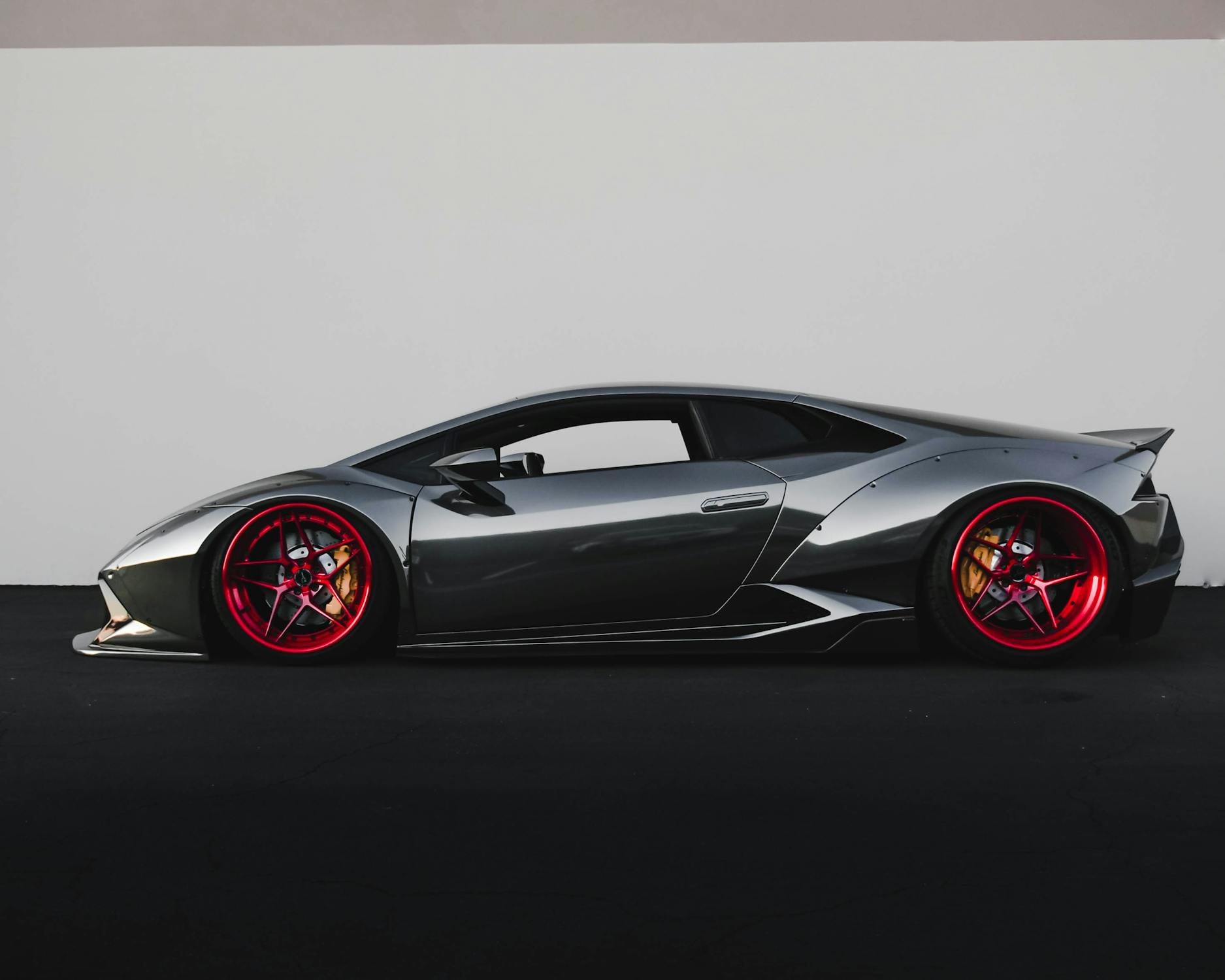
Each Miata generation has unique characteristics and specific parts that benefit from 3D printing solutions. Understanding these differences helps you target the right projects for your particular model.
| Generation | Years | Common 3D Print Needs | Parts Availability |
|---|---|---|---|
| NA (1st Gen) | 1989-1997 | Door panels, clips, HVAC knobs, visor brackets, tombstone trim | Many parts discontinued |
| NB (2nd Gen) | 1998-2005 | Cup holders, center console trim, vent surrounds, door pockets | Limited availability |
| NC (3rd Gen) | 2006-2015 | Phone mounts, gauge surrounds, storage solutions, shift boots | Most parts available |
| ND (4th Gen) | 2016-present | Custom accessories, phone holders, aesthetic upgrades, console organizers | Full OEM support |
NA Miata: The Restoration Champion
First-generation Miatas benefit most from 3D printing technology. These cars are between 29-37 years old, and many OEM parts simply don't exist anymore. The NA community has responded by creating an extensive library of replacement parts.
High-demand NA 3D printed parts include:
- Tombstone center console trim pieces and cup holder inserts
- Door panel clips and window crank deletes
- HVAC control knobs and vent surrounds
- Sun visor mounting brackets and clips
- Glove box hinges and latches
- Headlight bezels and corner light brackets
- Radio surround bezels for modern head unit upgrades
⚠️ NA Restoration Note
When restoring an NA Miata, prioritize heat-resistant materials (ASA or ABS) for any parts near the dashboard or engine bay. The NA's interior gets significantly hot due to minimal insulation, and PETG may warp in direct sunlight.
NB Miata: The Upgrade Era

NB Miatas occupy a sweet spot—old enough to need replacement parts but new enough that 3D printed upgrades can add modern functionality. The NB community has been particularly creative with phone mount solutions, cup holder designs, and radio upgrade brackets.
Popular NB 3D printing projects:
- Center console cup holder replacements (addressing the notoriously bad OEM design)
- Phone mount brackets that integrate with existing mounting points
- Double-DIN radio conversion brackets
- Dome light lens replacements
- Windshield cowl clips
- Trunk release handle covers
- Seat belt guide improvements
NC Miata: Performance Meets Practicality
The NC generation introduced more electronic systems and a slightly larger cabin. 3D printing for NC Miatas often focuses on optimizing storage solutions, creating gauge pods for aftermarket instruments, and integrating modern technology. The NC also benefits from 3D printed solutions for its complex HVAC system.
The NC's retractable hardtop version (PRHT) has created unique opportunities for 3D printed wind deflectors and storage organizers. The larger cabin also means NC-specific designs for center console storage that take advantage of the additional space compared to NA/NB models.
Common NC 3D printing projects include:
- Seat belt guides for improved retraction
- Center console storage organizers
- Gauge pods for boost, oil pressure, and AFR monitoring
- Phone mount solutions for the wider dashboard
- Custom trim pieces for audio upgrades
- PRHT-specific accessories and wind management
ND Miata: The Customization Playground
Current-generation ND owners use 3D printing primarily for customization rather than replacement. Since parts are readily available from Mazda, the focus shifts to personalization—unique shift knobs, custom trim accents, phone holders, and accessory mounts that integrate seamlessly with the ND's modern interior design.
The ND's more refined interior presents both opportunities and challenges. The modern design language requires 3D printed parts to match higher aesthetic standards, but the community has risen to the challenge with designs that look factory-integrated. The ND2 (2019+) with its increased power has also driven demand for performance monitoring gauge solutions.
Popular ND customizations include:
- Cup holder phone mount adapters (extremely popular)
- Center console shelf inserts for additional storage
- Custom shift knobs with integrated boot retainers
- Dashboard trim accents in custom colors
- Wireless charging pad mounts
- A-pillar gauge pods for track use
- USB port bezels and extensions
Most Popular 3D Printed Miata Parts
Certain 3D printed parts have become staples in the Miata community due to their combination of practicality, printability, and demand. Here are the most commonly printed parts across all generations:
1. Cup Holders and Drink Solutions
Every Miata generation has been criticized for inadequate cup holders. The NA's flimsy plastic insert, the NB's center console design, and even the ND's placement have all been improved through 3D printing. Community-designed cup holders often feature:
- Larger capacity for modern drink sizes (Yeti-compatible designs)
- More stable mounting with reduced vibration
- Integration with phone charging cables
- Dual-purpose storage when not holding drinks
2. Phone Mounts and Device Holders
Modern smartphones didn't exist when the NA, NB, or even NC were designed. 3D printed phone mounts solve this challenge with solutions that:
- Mount to existing screw points or clips
- Integrate with magnetic phone holders
- Position screens at optimal viewing angles
- Route charging cables cleanly
The ND has particularly benefited from cup holder-mounted phone holders that maximize the small interior space without blocking controls or vents.
✅ Design Best Practice
When designing phone mounts, always consider heat. Miata interiors get extremely hot in summer sun. Use ASA filament and position mounts away from direct sunlight when possible. Magnetic mounts work better than spring-loaded clamps in high-heat environments.
3. Interior Trim Clips and Brackets
The most unsexy but essential 3D printed parts are the small clips and brackets that hold interior trim together. These parts are often unavailable from Mazda for older models, break easily during removal, and cost disproportionately when available. Common examples include:
- Door panel retainer clips
- Dash vent retention clips
- Windshield trim clips
- Soft top mounting brackets
- Interior light lens clips
4. Shift Knob Adapters and Custom Knobs
Miata shifters are prized for their direct feel, and custom shift knobs are a popular modification. 3D printed adapters allow owners to mount non-Miata shift knobs, while fully 3D printed knobs can be customized with unique shapes, weights, and textures. TPU inserts can add grip, while solid PETG cores provide satisfying weight.
5. Gauge Pods and Instrument Surrounds
Track-focused Miata owners often add aftermarket gauges for oil pressure, water temperature, and boost (for turbocharged builds). 3D printed gauge pods mount these instruments elegantly, with designs available for A-pillar mounts, vent replacements, and dashboard integration.
Materials Guide for Miata Parts
Choosing the right material is critical for automotive parts. Miata interiors experience extreme temperature swings, UV exposure, vibration, and mechanical stress. For a deeper dive into material selection, see our interior parts guide. Here's how common 3D printing materials perform in Miata applications:
| Material | Heat Resistance | UV Resistance | Best Miata Applications | Cost/kg |
|---|---|---|---|---|
| ASA | Excellent (95°C+) | Excellent | Dashboard parts, exterior trim, engine bay | $25-35 |
| ABS | Good (85°C) | Fair | Interior clips, brackets, structural parts | $18-25 |
| PETG | Moderate (70°C) | Good | Trunk parts, shaded areas, low-stress components | $20-28 |
| Nylon (PA) | Excellent (100°C+) | Moderate | High-stress brackets, hinges, functional parts | $35-50 |
| TPU | Moderate | Good | Grommets, seals, vibration dampeners, grips | $30-45 |
| CF-PETG | Good (80°C) | Excellent | Visible parts requiring stiffness and aesthetics | $40-60 |
🚫 Material Warning: PLA is NOT Recommended
Never use PLA for Miata interior parts. With a glass transition temperature around 60°C (140°F), PLA will warp, sag, or completely fail on a hot summer day. Even parts in shaded areas of the cabin can exceed this temperature. Always use heat-resistant materials for automotive applications.
Material Recommendations by Location
Dashboard and Direct Sunlight Areas: Use ASA exclusively. These areas can exceed 80°C on hot days. ASA's excellent UV resistance also prevents degradation and color fading.
Center Console and Transmission Tunnel: ABS or ASA are appropriate. While not in direct sunlight, these areas still experience elevated temperatures from the transmission and exhaust routing.
Door Panels and Trim: PETG can work in shaded portions, but ABS or ASA provide better long-term durability. Consider the clip locations and stress points.
Trunk and Storage Areas: PETG is acceptable for trunk organizers and storage solutions, as temperatures remain more moderate in the enclosed space.
Getting Started: Essential Equipment

Creating 3D printed parts for your Miata requires some basic equipment. Here's what you need to get started:
3D Printer Selection
For automotive applications, you'll want a printer capable of handling engineering materials like ABS and ASA. This typically means:
- Enclosed build chamber: Essential for ABS and ASA to prevent warping and layer separation
- Heated bed: Minimum 90°C capability for proper adhesion
- All-metal hotend: Required for temperatures above 240°C
- Build volume: At least 220x220x250mm for most Miata parts
Budget-friendly options like the Bambu Lab A1 Mini with enclosure or Creality K1 can handle these requirements. For larger parts like gauge pods or center console replacements, consider printers with 300mm+ build volumes like the Bambu Lab X1 Carbon or Prusa XL.
Measurement Tools
Accurate measurements are crucial for parts that must fit precisely. Essential tools include:
- Digital calipers: For measuring dimensions, hole sizes, and wall thicknesses
- Radius gauges: For matching curved surfaces and fillets
- Contour gauge: For capturing complex profiles
- Measuring tape: For larger dimensions and layout work
Design Software
Creating custom Miata parts requires CAD software. For a comprehensive guide to automotive CAD design, check our design tutorial. Popular options for automotive hobbyists include:
- Fusion 360: Free for hobbyists, excellent parametric modeling
- Shapr3D: iPad-native CAD with intuitive interface
- FreeCAD: Open-source alternative with automotive-specific workbenches
- TinkerCAD: Browser-based option for simple modifications
Step-by-Step: Creating a Custom Miata Part
Let's walk through the process of creating a 3D printed part for your Miata, using a cup holder insert as an example:
Step 1: Identify the Need
Before designing anything, clearly define what you need the part to accomplish. For a cup holder:
- What size cups/bottles need to fit?
- How much vibration resistance is needed?
- Will it need to hold a charging cable?
- Should it be removable or permanent?
Step 2: Measure and Document
Remove the existing component (if applicable) and carefully measure all relevant dimensions:
- Overall dimensions of the mounting area
- Screw hole locations and sizes
- Clearances to surrounding components
- Depth restrictions
Take photos from multiple angles and sketch out the design constraints before opening CAD software.
Step 3: Design with Manufacturing in Mind
When creating your 3D model, consider how it will be printed:
- Minimize overhangs beyond 45 degrees
- Add fillets to reduce stress concentrations
- Orient the design to maximize layer strength in the direction of stress
- Add clearance (0.2-0.3mm) for sliding fits
Step 4: Print a Test Fit
Always print a test piece before committing to a full print in expensive material:
- Print critical sections only (mounting tabs, clearance areas)
- Use draft quality settings for speed
- Use cheaper PLA for test fits (it won't be the final part)
- Check all dimensions and adjust the design as needed
Step 5: Final Production Print
Once the design is validated, print the final part with appropriate settings:
- Use heat-resistant material (ASA or ABS)
- Increase wall count to 4-5 for durability
- Use 40-60% infill for structural parts
- Enable ironing for visible top surfaces
- Print at proper enclosure temperature
Advanced Projects: The 3D Printed Hardtop
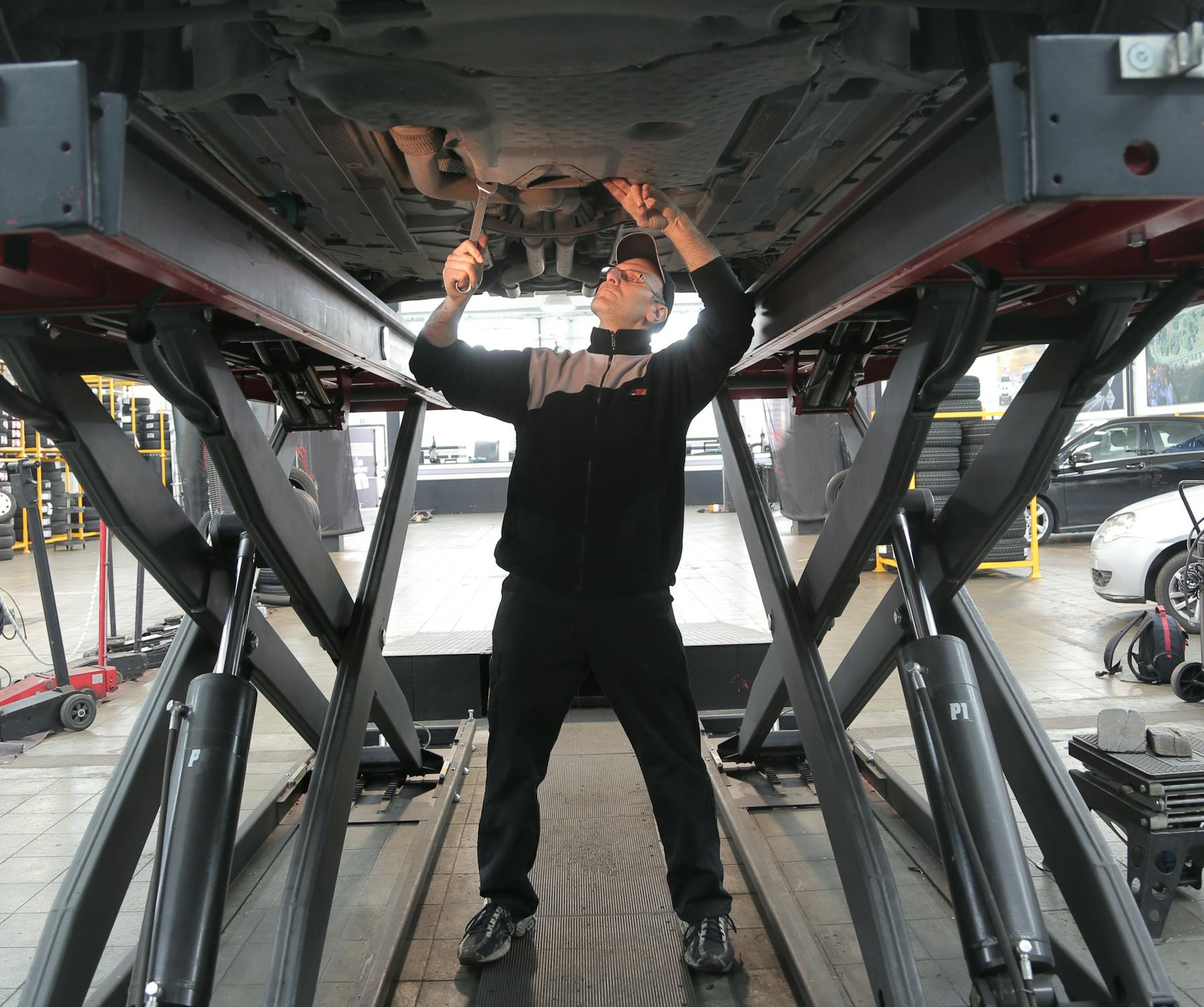
One of the most ambitious Miata 3D printing projects has been the creation of 3D printed hardtop molds. As documented by The Drive, community members have developed 44-piece 3D printed mold sets that can be assembled and used to create fiberglass hardtops.
This project represents the cutting edge of automotive 3D printing—using printed parts not as final products but as tooling for traditional composite fabrication. The result is a custom hardtop at a fraction of the cost of commercial options, with the flexibility to modify the design for unique features like rear windows or spoilers.
While not for beginners, this project demonstrates what's possible when 3D printing expertise meets automotive passion. The community openly shares these designs, allowing anyone with the skills and equipment to create their own hardtop.
Cost Analysis: 3D Printing vs. OEM and Aftermarket
Understanding the economics of 3D printing helps you decide when it makes sense versus purchasing existing parts:
| Part Type | OEM Cost | Aftermarket Cost | 3D Print Cost | Time Investment |
|---|---|---|---|---|
| Cup holder insert | $45-80 (if available) | $25-50 | $2-5 | 2-4 hours |
| Phone mount | N/A | $15-40 | $1-3 | 1-2 hours |
| Trim clips (pack of 10) | $30-60 | $10-25 | $0.50-2 | 1 hour |
| HVAC knob | $25-45 (discontinued) | $15-30 | $0.50-1 | 30 min |
| Custom gauge pod | N/A | $50-150 | $5-15 | 4-8 hours |
| Custom shift knob | $30-60 | $20-100 | $3-8 | 2-4 hours |
The economics strongly favor 3D printing for:
- Discontinued parts: Often the only option at any price
- Custom solutions: No off-the-shelf equivalent exists
- Multiple iterations: Design refinement without financial penalty
- Small parts: Where shipping costs exceed material costs
Traditional purchasing makes more sense for:
- Complex assemblies: Multiple integrated components
- Structural parts: Where metal is required
- Time-sensitive needs: When you need the part today
Community Resources and Design Libraries

The Miata 3D printing community is remarkably collaborative. Before designing from scratch, check these resources for existing designs:
Design Repositories
- Thingiverse Miata Collection - Hundreds of free designs
- Printables Miata Tag - Growing community with quality designs
- Cults3D - Premium designs with detailed documentation
- MyMiniFactory - Curated automotive models
Community Forums
- Miata.net Forums - Dedicated 3D printing threads
- r/Miata subreddit - Active discussion of 3D printed modifications
- MX-5 Nutz - UK-based forum with European perspective
- Miataturbo.net - Performance-focused community
🚀 Ready to Start Printing Miata Parts?
Join our community of automotive makers! Browse hundreds of Miata-specific designs, share your own creations, and connect with fellow enthusiasts.
Browse Miata Parts Library →Safety Considerations
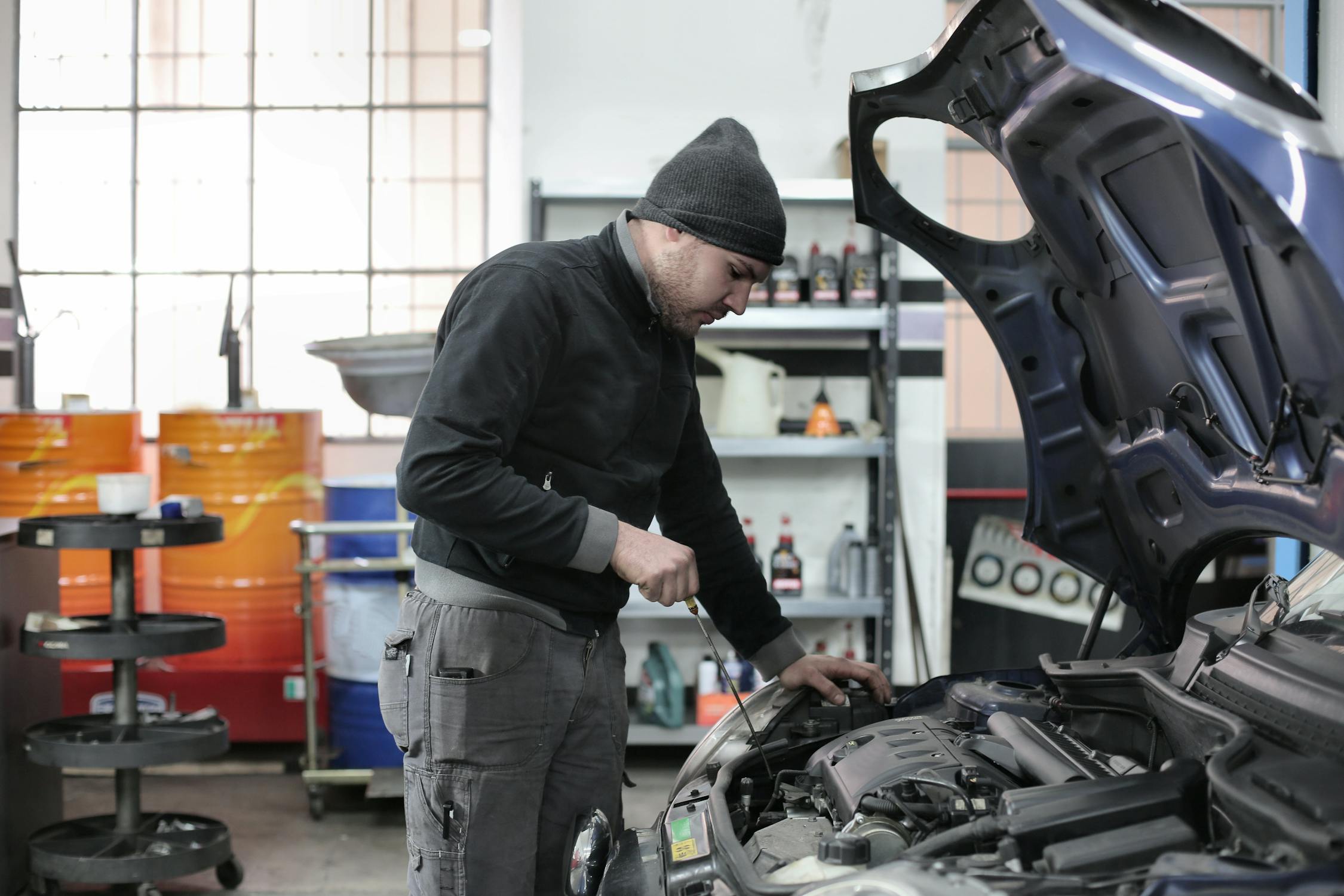
While 3D printing enables incredible creativity, safety must remain paramount. There are specific guidelines for what should and shouldn't be 3D printed for automotive applications:
Safe Applications
- Interior trim and cosmetic parts: No structural or safety function
- Storage solutions: Cup holders, organizers, phone mounts
- Clips and fasteners: Interior use only, not underbody
- Prototyping: Test fits before fabricating in metal
- Accessories: Shift knobs, vent surrounds, bezels
Never 3D Print
- Suspension components: Control arms, bushings, strut mounts
- Braking system parts: Anything in the brake fluid path or caliper mounting
- Steering components: Tie rods, steering rack mounts, column parts
- Structural members: Subframes, chassis reinforcement
- Safety restraint systems: Seat belt brackets, airbag housings
⚠️ Critical Safety Rule
If a part failure could cause injury or accident, do not 3D print it. No cost savings or customization benefit is worth compromising vehicle safety. When in doubt, consult with automotive professionals or use traditional manufacturing methods.
Miata-Specific Design Considerations

Designing 3D printed parts specifically for Miatas requires understanding the unique characteristics of these vehicles. The lightweight roadster philosophy influences every aspect of design decisions.
Compact Interior Constraints
Miata interiors are notoriously compact. Every cubic inch matters, and poorly designed 3D printed parts can quickly make the cabin feel cramped. Successful Miata part designers follow these principles:
- Minimize protrusion: Parts should sit as flush as possible with existing surfaces
- Consider both occupants: Don't create parts that only work for driver or passenger
- Account for soft top operation: Ensure parts don't interfere with top raising/lowering
- Shifter clearance: The short-throw shifter needs full range of motion
- Elbow room: The center console area is critical for comfortable driving
Convertible-Specific Challenges
As convertibles, Miatas present unique challenges for 3D printed parts. Open-top driving means exposure to rain, dust, and temperature extremes. Design considerations include:
- Water drainage: Add drainage holes to prevent water pooling
- UV exposure: All visible parts need UV-resistant materials
- Wind forces: Secure mounting to prevent vibration at highway speeds
- Top compatibility: Parts must work with both soft and hard tops where applicable
Weight Consciousness
True to Miata philosophy, every gram matters. While individual 3D printed parts are light, multiple modifications can add up. Consider using infill patterns that maximize strength while minimizing weight. Gyroid or honeycomb infill at 20-30% often provides the best strength-to-weight ratio for non-structural parts.
For parts where weight is critical, like A-pillar gauge pods that sit high in the cabin, consider reducing wall thickness to 1.2mm (3 perimeters) and using 15% infill. The weight savings might seem trivial, but preserving the Miata's balanced feel matters to enthusiasts.
Print Service Options for Non-Printers
Not every Miata owner wants to own a 3D printer, and that's perfectly fine. Multiple options exist for getting custom parts without the equipment investment:
Professional Print Services
Services like Craftcloud, Shapeways, and JLCPCB's 3D printing division accept design files and ship finished parts. Benefits include access to industrial-grade printers, wider material selection (including metal), and consistent quality. The tradeoff is higher per-part cost and longer turnaround times.
Local Maker Spaces
Many cities have maker spaces or fab labs with 3D printers available for member use. These typically offer training, and you can often find experienced members willing to help with automotive projects. Check for local Miata clubs that might have members with printers willing to help fellow enthusiasts.
Etsy and eBay Sellers
The Miata community on Etsy is vibrant, with numerous sellers offering pre-printed parts. While you lose customization options, you gain convenience. Many sellers accept custom requests and will print in specific colors or materials. Check reviews carefully and ask about material choices before purchasing.
For those interested in finding pre-made designs or connecting with makers who can print for you, explore our community forum where members regularly offer printing services and share their latest creations.
Future Trends: What's Next for Miata 3D Printing
The intersection of 3D printing and Miata ownership continues to evolve. Here's what we see on the horizon:
Material Advances
New filaments specifically designed for automotive use are emerging. Carbon fiber reinforced nylons, high-temperature polycarbonates, and UV-stabilized composites make 3D printed parts more suitable for demanding automotive environments.
3D Scanning Integration
Affordable 3D scanners now allow owners to capture complex shapes directly from their cars. Combined with CAD software, this enables perfect-fit custom parts even when original documentation doesn't exist.
Community Design Evolution
Design sharing has matured from simple file uploads to parametric models that adapt to different specifications. Owners can input their specific phone size, cup diameter, or mounting requirements and generate custom-fit parts automatically.
Print Service Accessibility
For Miata owners without their own printers, on-demand printing services have become more accessible. Upload a file, select your material, and receive professionally printed parts within days. This democratizes access even further.
Conclusion: Empowering Miata Ownership

3D printing has transformed what's possible for Miata owners. Whether you're restoring a classic NA to factory-fresh condition, upgrading an NB for daily driving convenience, or customizing an ND to express your personality, 3D printing provides tools and possibilities that simply didn't exist a decade ago.
The Miata's simple, well-documented design makes it an ideal platform for 3D printed parts. Unlike luxury vehicles with proprietary components and sealed systems, Miatas were designed with accessibility in mind. This ethos extends perfectly to 3D printing—a technology that democratizes manufacturing and puts creative control in the hands of enthusiasts.
The community's collaborative spirit means solutions are shared freely, and newcomers can benefit from years of collective experience. Starting with simple projects like cup holders or phone mounts, owners can build skills that eventually enable more ambitious creations. Many community members who started with downloading basic files now design and share their own creations, contributing to a growing library of Miata-specific solutions.
The key is starting somewhere. Download an existing design, print it, install it, and experience the satisfaction of improving your Miata with something you created. That first successful installation—the perfect fit, the click into place, the problem solved—is addictive. From there, the path to custom design and ever-more-impressive projects opens up naturally.
Consider the trajectory: Today's simple cup holder becomes tomorrow's custom gauge pod. Next month's phone mount leads to next year's complete center console redesign. The skills compound, and the possibilities expand with each project.
Your Miata has always been about pure driving enjoyment—the direct steering, the responsive chassis, the intimate connection between driver and machine. 3D printing extends that philosophy to ownership itself—the joy of creating, customizing, and making your roadster uniquely yours. Just as Mazda designed the Miata to be accessible and engaging, 3D printing makes customization accessible and engaging for every owner willing to learn.
The best time to start was when you bought your Miata. The second best time is now.
🎯 Start Your Miata 3D Printing Journey Today
Join thousands of Miata enthusiasts who are already creating custom parts for their roadsters. Our community platform makes it easy to find designs, share your creations, and connect with fellow makers.
Frequently Asked Questions
What 3D printer is best for Miata parts?
For Miata parts, look for printers with enclosed chambers and the ability to print ABS and ASA. The Bambu Lab P1S, Creality K1, and Prusa MK4 with enclosure are popular choices. Budget around $400-800 for a printer capable of automotive-quality parts.
Will 3D printed parts melt in my Miata's interior?
They can if you use the wrong material. Avoid PLA entirely. Use ASA for dashboard parts (handles 95°C+) and ABS for shaded areas (handles 85°C). Test parts in your car during summer before trusting them.
Where can I find 3D printing files for my Miata generation?
Thingiverse and Printables have the largest collections of free Miata files. Search by generation (NA, NB, NC, ND) or part name. Our parts library also curates Miata-specific designs with verified print settings.
How much does it cost to 3D print Miata parts?
Most Miata parts cost $0.50-$15 in materials. A complete cup holder uses about 50g of filament ($1-2). The real investment is the printer ($400-1000) and your time learning. If you don't want to own a printer, online services charge $10-50 per part depending on size and material.
Can I sell 3D printed Miata parts?
You can sell parts you've designed yourself. For community designs, check the license—many use Creative Commons Non-Commercial licenses. Also ensure you're not infringing on Mazda's trademarks if using logos or branding. Many successful Miata parts sellers operate on Etsy and eBay.
Reference shelf
Materials and equipment referenced here
Optional product references matched to the material or printer discussion above. Use the specifications—not the brand name—to decide what fits your setup.
| Referenced item | What to verify | Price & availability |
|---|---|---|
| PETG filamentAmazon · Affiliate link | Amazon product page for 1.75 mm PETG; confirm colour, spool size, print temperature, seller, and delivery region. | Check price at Amazon |
| ASA filamentAmazon · Affiliate link | Amazon product page for 1.75 mm ASA; use an enclosure and suitable ventilation, and confirm seller and regional availability. | Check price at Amazon |
| ABS filamentAmazon · Affiliate link | Amazon product page for 1.75 mm ABS; use an enclosure and suitable ventilation, and verify temperature requirements and seller. | Check price at Amazon |
Affiliate disclosure: if you buy through an eligible link, 3DPrintedCarPart may earn a commission at no extra cost to you. As an Amazon Associate I earn from qualifying purchases. Confirm product specifications, compatibility, seller terms, and vehicle safety before ordering or using anything. Amazon may redirect you to a nearby supported store; otherwise the original Amazon.com page remains available.


