
The short version
Quick answer
3D printed auto parts are best for small, non-structural plastic pieces: interior clips, trim covers, bezels, brackets, organizers, badges, and low-load accessories where fitment can be tested before final use. Search the live parts library by part, vehicle, or category first, then check material limits — PETG for low-heat interior pieces, ABS/ASA for hotter or sun-exposed trim, and nylon only after real validation. Do not use consumer FDM prints for brakes, steering, suspension, restraints, sealing, fuel contact, or any part whose heat and load requirements you cannot verify.
Live catalog examples
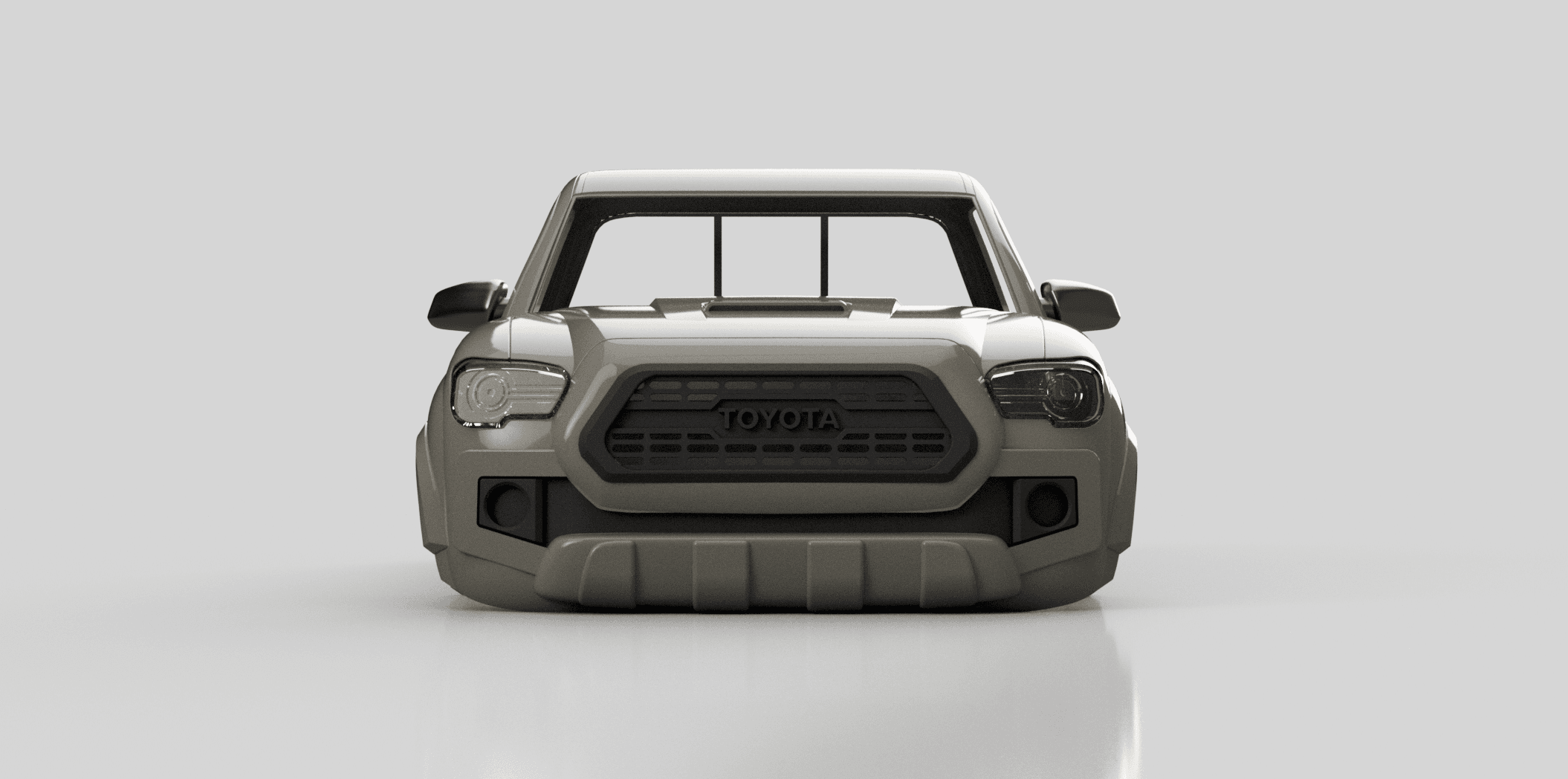
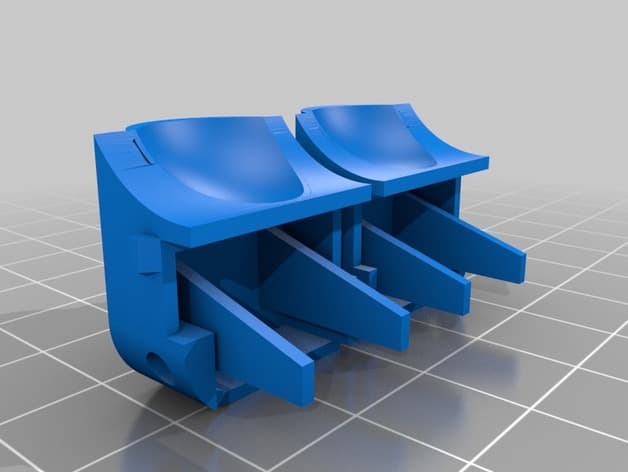
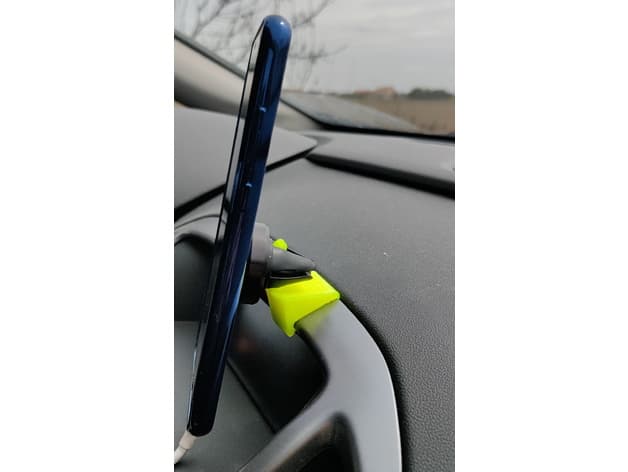
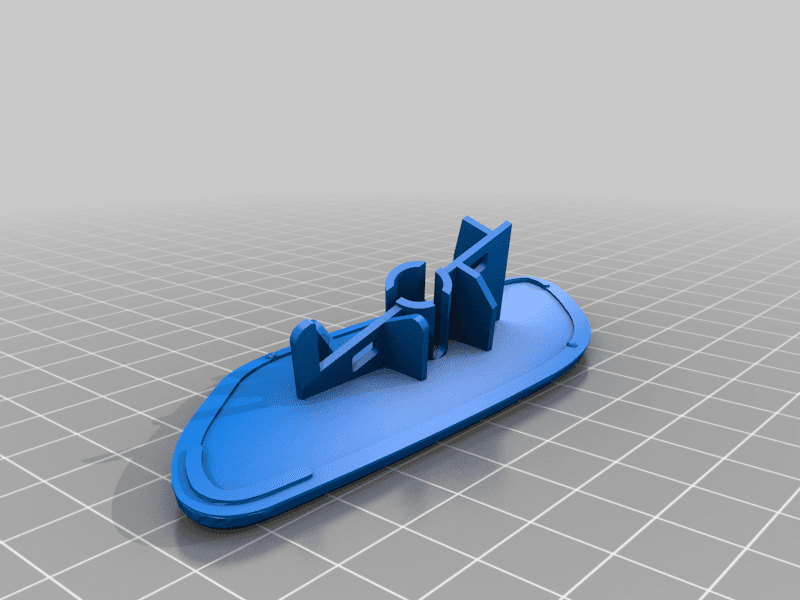
Popular printable auto parts
Browse current catalog listings, then verify fitment and print notes on each part page.
At a glance
How they compare
| Criterion | Printable auto-parts route | OEM / certified route |
|---|---|---|
| Interior clips, trim and covers | Good fit when the part is low-load, easy to test, and matched to the vehicle. | Still best when factory finish, exact grain, or certified fit is required. |
| Exterior badges and trim | Possible with ASA or UV-stable resin, paint, trim tape, and non-infringing designs. | OEM is safer for protected marks, legal labels, and factory appearance. |
| Loaded brackets or hot locations | Needs material, orientation, heat-soak, vibration, and fitment validation before use. | Better default when failure would damage the car or create a safety risk. |
| Safety, sealing, steering or fuel contact | Use only for mockups or measurement aids, not final parts. | Use OEM or professionally certified parts. |
Start with the parts library, not a generic search
The useful answer to “3D printed auto parts” is not a long generic list — it is a route into real printable files and fitment context. Search the library first, then narrow by vehicle, category, material, and whether the part can be test-fitted safely.
- Use the all-parts library when you know the part name or category.
- Use car make/model pages when fitment matters more than the generic part name.
- Use category pages for interior trim, exterior pieces, accessories, and mechanical-functional candidates.
- Treat every file as a starting point: measure, test fit, and validate the material before relying on it.
Auto parts that usually make sense to print
The best candidates are low-risk plastic parts where a failed print is annoying, not dangerous. They are easy to measure, cheap to reprint, and usually do not need certification.
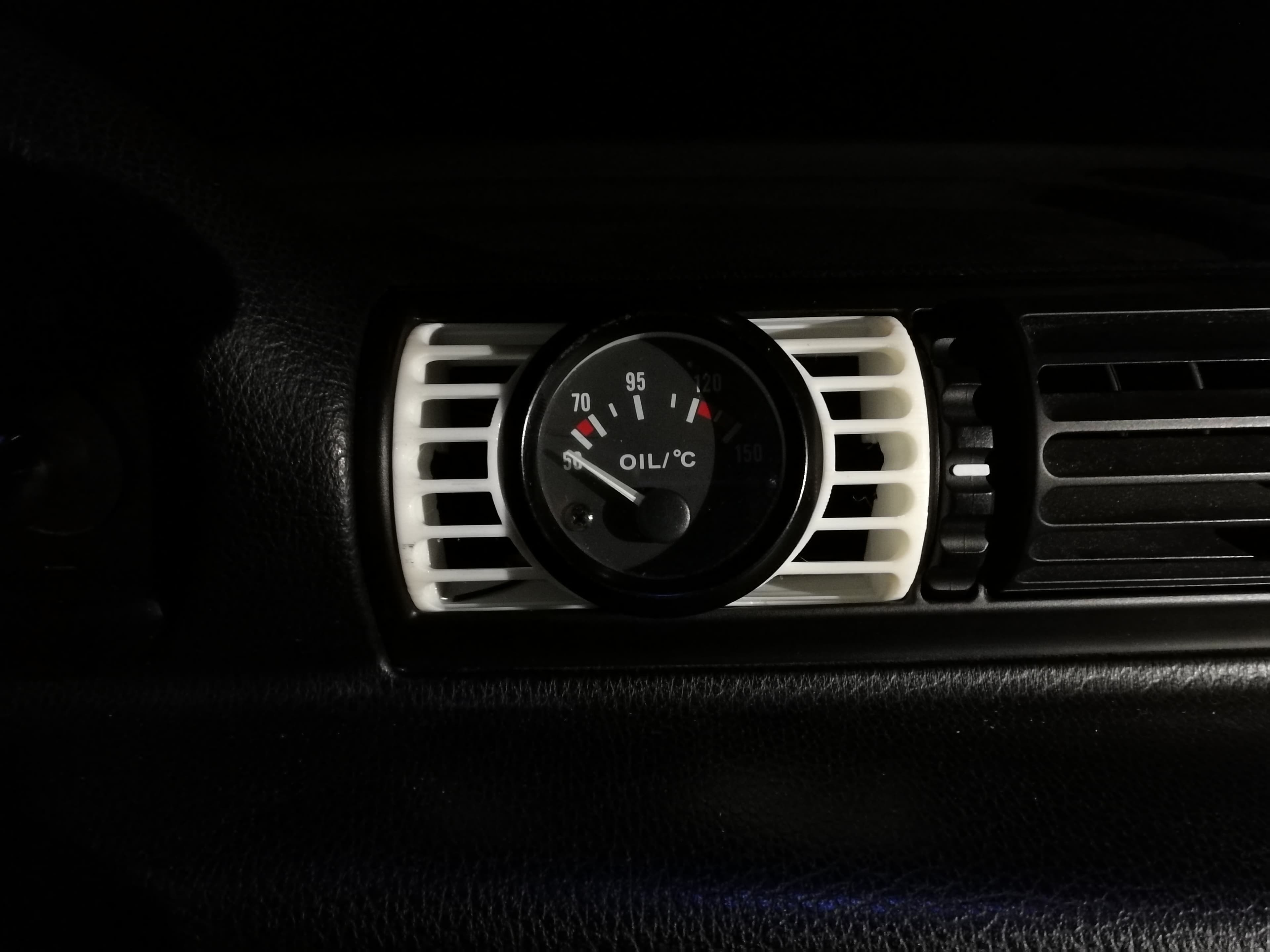
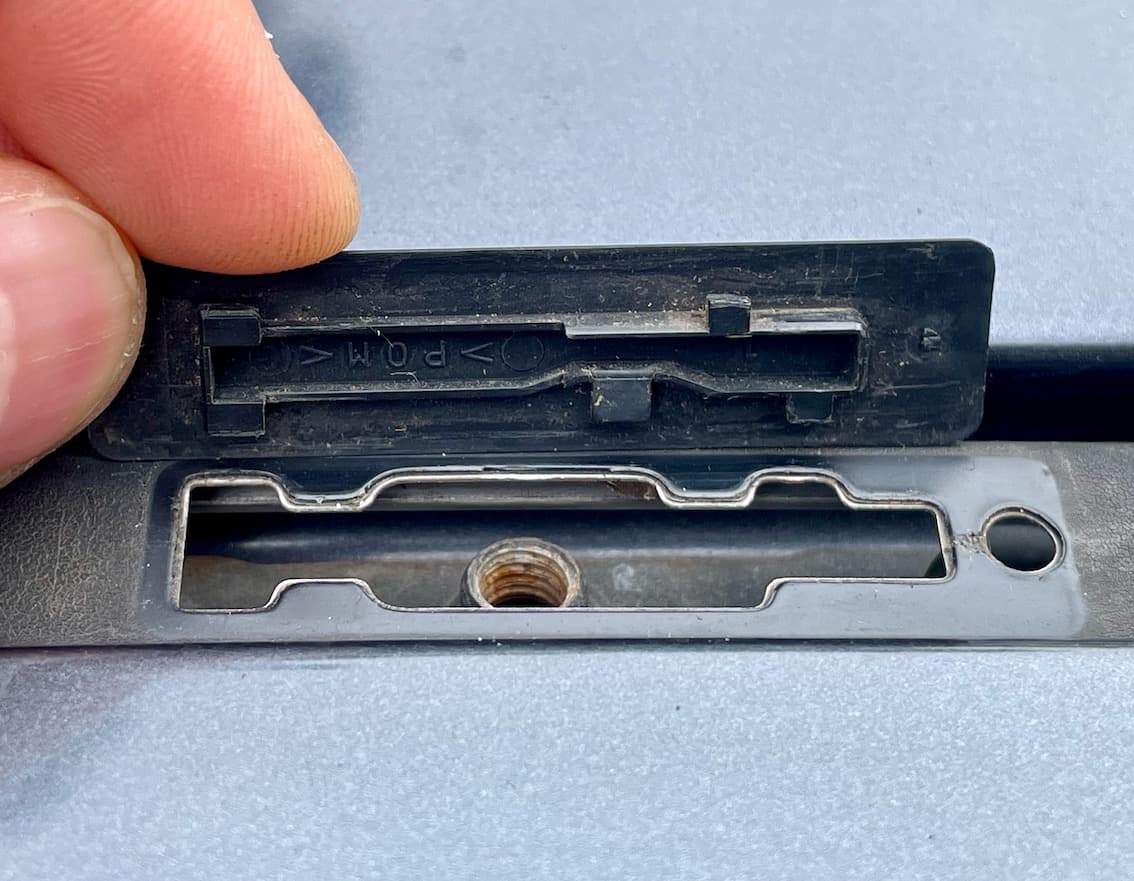
- Interior trim clips, retainers, bezels, blank plates, switch covers, and vent pieces.
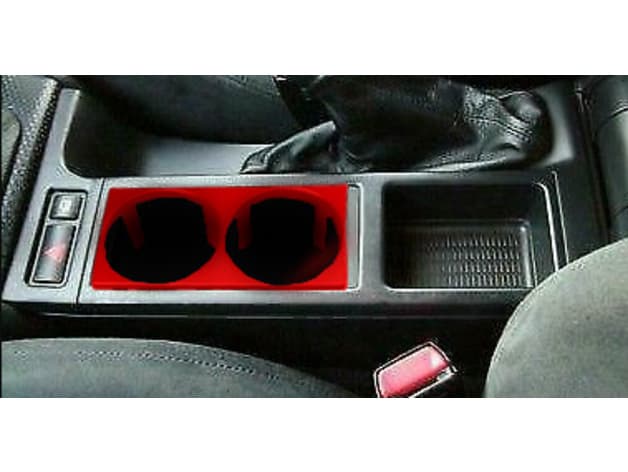
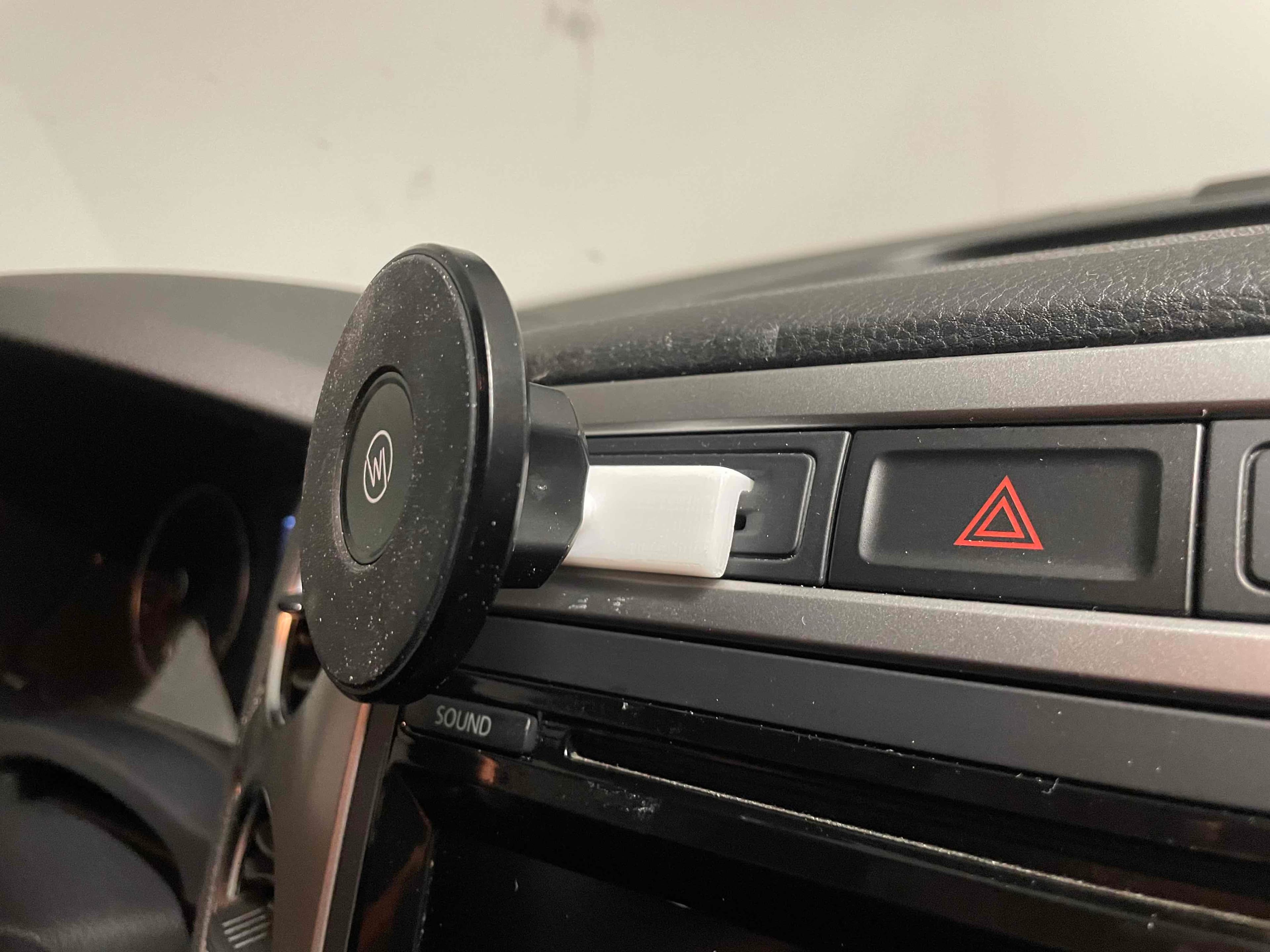
- Cup-holder inserts, phone mounts, cable covers, organizers, and cabin accessories.
- Cosmetic exterior badges or trim when the design is original/licensed and the material handles UV.
- Jigs, templates, install aids, and temporary mockups for measuring or repairing a car.
Where printed auto parts are risky
A search result should not make hobby printing look safer than it is. Consumer FDM parts are layered, material-sensitive, and rarely certified for automotive failure modes.
- Avoid brakes, steering, suspension, restraints, seat mounts, and structural or crash-related parts.
- Avoid sealing, pressurized, fuel-contact, electrical-safety, or engine-bay parts unless a professional process has validated them.
- Do not copy protected OEM logos, model marks, safety labels, or patented designs without rights.
- If the consequence of failure is more than cosmetic or inconvenient, buy OEM or use a certified manufacturer.
Fitment and material checklist before printing
The file is only half the job. Auto parts need the right polymer, print orientation, tolerances, and a test cycle in the place where the part will actually live.
- Measure the broken original, mounting holes, clips, and clearances before choosing a file.
- Use PETG for low-heat interior pieces, ABS/ASA for cabin heat or sunlight, and nylon only after load validation.
- Print one test piece, check snap/fit/clearance, heat-soak where relevant, then revise before final material.
- Keep photos of installed fitment so future searchers can tell whether the model belongs on their vehicle.
Reference shelf
Materials and equipment referenced here
Optional product references matched to the material or printer discussion above. Use the specifications—not the brand name—to decide what fits your setup.
| Referenced item | What to verify | Price & availability |
|---|---|---|
| PETG filamentAmazon · Affiliate link | Amazon product page for 1.75 mm PETG; confirm colour, spool size, print temperature, seller, and delivery region. | Check price at Amazon |
| ASA filamentAmazon · Affiliate link | Amazon product page for 1.75 mm ASA; use an enclosure and suitable ventilation, and confirm seller and regional availability. | Check price at Amazon |
| ABS filamentAmazon · Affiliate link | Amazon product page for 1.75 mm ABS; use an enclosure and suitable ventilation, and verify temperature requirements and seller. | Check price at Amazon |
Affiliate disclosure: if you buy through an eligible link, 3DPrintedCarPart may earn a commission at no extra cost to you. As an Amazon Associate I earn from qualifying purchases. Confirm product specifications, compatibility, seller terms, and vehicle safety before ordering or using anything. Amazon may redirect you to a nearby supported store; otherwise the original Amazon.com page remains available.
Questions from the garage

