

There's a moment every car restorer knows too well. You've spent months sourcing the perfect project vehicle, cleared out the garage, and mapped out your restoration plan. Then reality hits: that critical trim piece, dashboard component, or interior knob simply doesn't exist anymore. The manufacturer discontinued it. Aftermarket suppliers never made it. And the one seller on eBay who has it wants more than you paid for the entire car.
This is the restoration paradox. The very rarity that makes a vehicle worth restoring also makes it nearly impossible to restore completely. Until now. 3D printing technology has fundamentally changed what's possible in automotive restoration, giving DIY enthusiasts and professional shops alike the ability to manufacture parts that no longer exist anywhere in the world.
Whether you're restoring a 1970s muscle car, a discontinued 2010s model, or repairing collision damage on a vehicle where parts are backordered for months, 3D printing offers solutions that were science fiction just a decade ago. This guide will walk you through everything you need to know about using 3D printed parts for your restoration project—from material selection to finishing techniques that make printed parts indistinguishable from originals.
Why 3D Printing is Revolutionizing Vehicle Restoration

The traditional restoration path was simple but expensive: find original parts, pay whatever sellers demanded, or have custom parts fabricated at machine shops charging $100+ per hour. For rare vehicles, this often meant restoration costs exceeding the car's value multiple times over.
3D printing flips this equation entirely. The technology allows you to create exact replicas of missing or damaged parts at a fraction of traditional costs. More importantly, it democratizes restoration—you no longer need connections to rare parts dealers or a machinist on speed dial. With the right equipment and knowledge, you can produce parts in your own garage.
💡 Key Insight
According to restoration industry estimates, 3D printing can reduce parts costs by 60-90% compared to sourcing rare OEM components. A dashboard vent that might cost $300 on the collector market can often be printed for under $10 in materials.
Major automakers have taken notice. Porsche Classic now offers 3D printed parts for vintage 911 models. BMW has embraced additive manufacturing for discontinued components. Mercedes-Benz prints replacement parts for vehicles from the 1970s through 1990s. If the industry leaders see 3D printing as a legitimate restoration solution, it's time for every restorer to pay attention.
Types of Restoration Projects Ideal for 3D Printing
Not every restoration project benefits equally from 3D printing. Understanding where the technology excels—and where traditional methods still reign—helps you make smart decisions about your build.
Classic and Vintage Vehicle Restoration
This is the sweet spot for 3D printing. Vehicles over 20 years old face severe parts scarcity. Interior trim pieces, knobs, bezels, and decorative elements are particularly well-suited for printing. These components typically face moderate stress and temperature, making them ideal candidates for common printing materials.
Discontinued Model Restoration
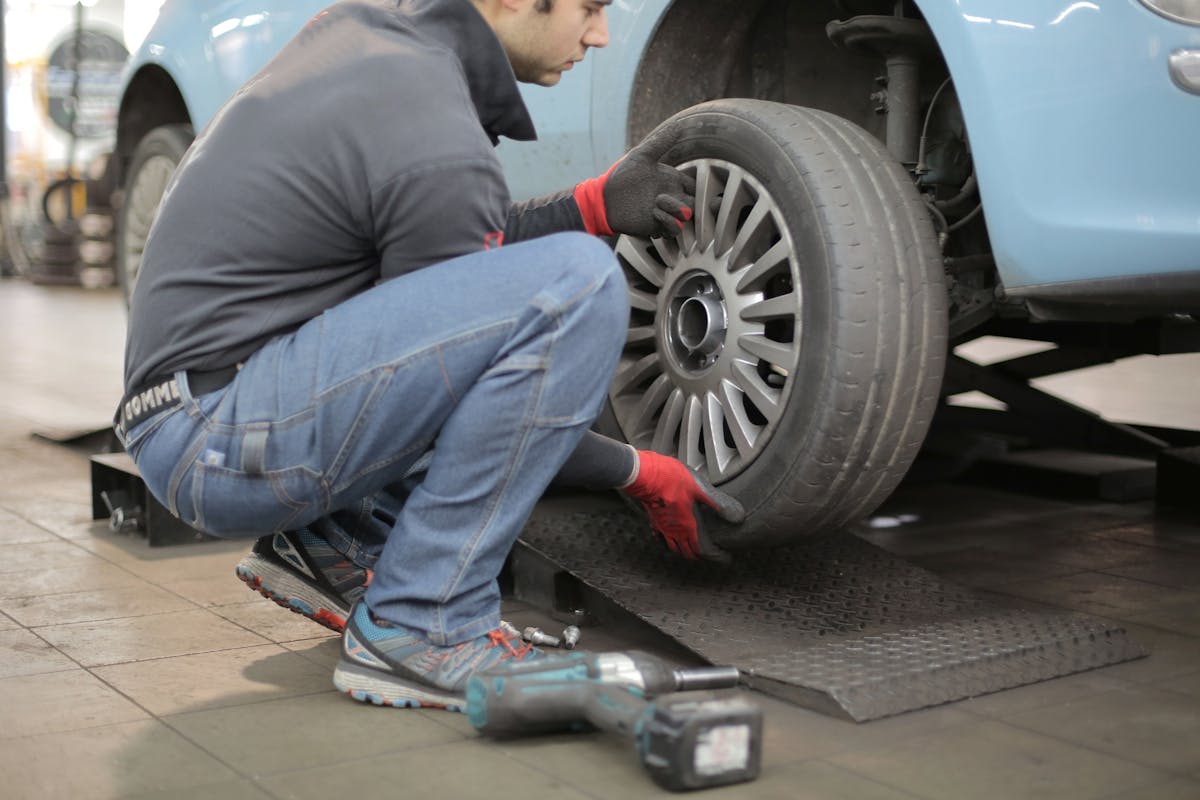
You don't need a 50-year-old car to face parts shortages. Manufacturers routinely discontinue support for models within 10-15 years. If you're restoring a 2008 vehicle and the OEM no longer stocks certain trim pieces, 3D printing becomes your best option. This category is growing rapidly as more early 2000s vehicles become "young classics."
Collision Damage Repair
Insurance companies and body shops increasingly use 3D printing for collision repair when OEM parts face long backorder times. A fender trim piece or grille insert that's backordered for 6 months can be printed and installed in days. This keeps vehicles off storage lots and gets owners back on the road faster.
Performance and Custom Restoration
Restomod projects—vehicles that blend classic aesthetics with modern performance—benefit tremendously from 3D printing. Creating custom brackets, mounts, and adapters to fit modern components into vintage chassis becomes straightforward with additive manufacturing.
| Restoration Type | 3D Printing Suitability | Best Applications | Typical Cost Savings |
|---|---|---|---|
| Classic (20+ years) | ⭐⭐⭐⭐⭐ Excellent | Interior trim, emblems, knobs | 70-95% |
| Discontinued (10-20 years) | ⭐⭐⭐⭐ Very Good | Clips, fasteners, covers | 50-80% |
| Collision Repair | ⭐⭐⭐⭐ Very Good | Grille inserts, trim pieces | 40-70% |
| Restomod/Custom | ⭐⭐⭐⭐⭐ Excellent | Brackets, adapters, mounts | 60-90% |
| Show/Concours | ⭐⭐⭐ Good (with finishing) | Period-correct replicas | 30-60% |
Materials Guide: Choosing the Right Filament for Restoration Parts
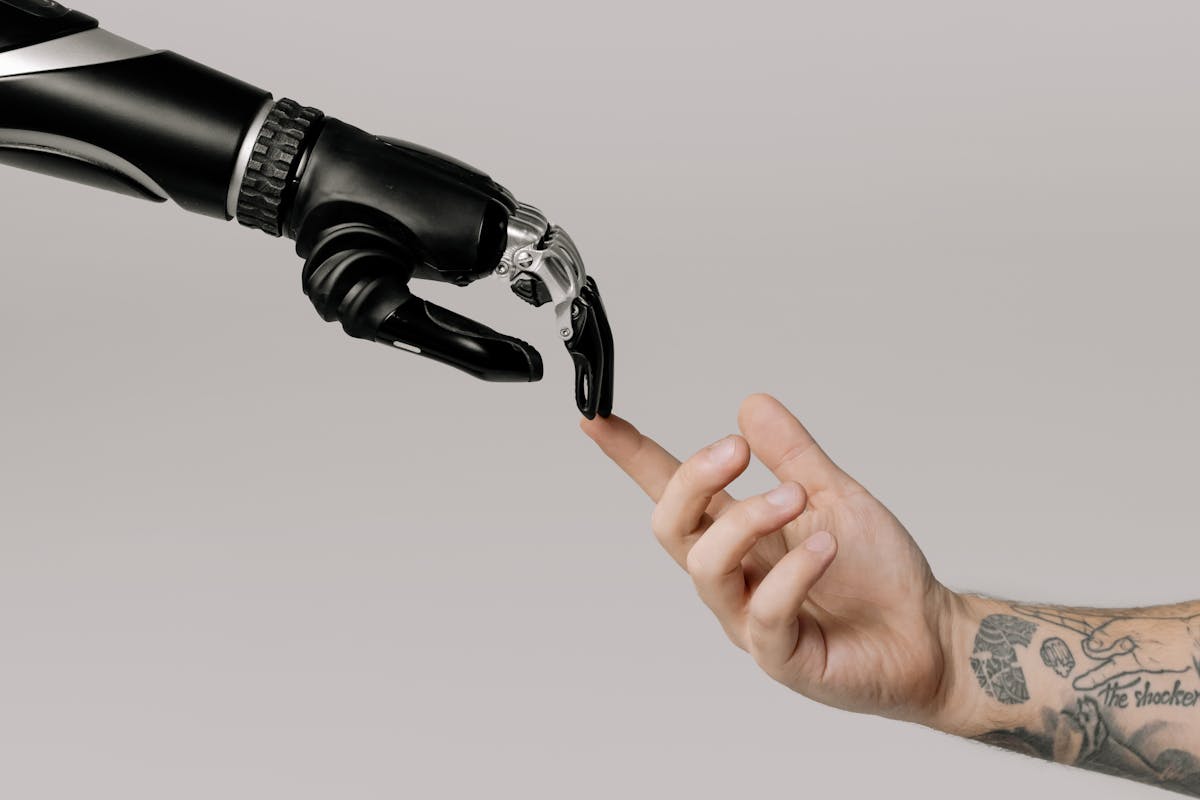
Material selection can make or break your restoration project. The wrong filament means parts that warp in summer heat, become brittle in winter cold, or degrade under UV exposure. The right material creates components that last decades and perform identically to—or better than—originals.
ASA (Acrylonitrile Styrene Acrylate) - The Restoration Standard
ASA has emerged as the gold standard for exterior automotive restoration parts. This engineering-grade thermoplastic offers exceptional UV resistance, making it ideal for parts that face direct sunlight. Unlike ABS, ASA won't yellow or become brittle after years of sun exposure.
- Best for: Exterior trim, mirror housings, grille components, badges
- Temperature resistance: Up to 95°C (203°F) continuous
- UV resistance: Excellent - designed for outdoor use
- Difficulty: Moderate - requires enclosure for best results
ABS (Acrylonitrile Butadiene Styrene) - The Industry Workhorse
ABS remains popular because many original automotive parts were manufactured from it. Printing in ABS gives you material properties nearly identical to factory components. However, it lacks UV stability, limiting its use to interior applications or exterior parts that will be painted.
- Best for: Interior components, under-hood parts, painted exterior pieces
- Temperature resistance: Up to 85°C (185°F) continuous
- UV resistance: Poor - requires coating for exterior use
- Difficulty: Moderate - warping can occur without enclosure
Nylon (PA6/PA12) - Maximum Durability
When parts need to handle mechanical stress, nylon delivers. Its excellent impact resistance and fatigue properties make it suitable for functional components like brackets, clips, and hinges. Carbon fiber reinforced nylon (PA-CF) takes this further, offering stiffness approaching metal.
⚠️ Important Note
Nylon is hygroscopic, meaning it absorbs moisture from the air. Always store nylon filament in sealed containers with desiccant, and dry it before printing. Wet nylon produces weak, stringy prints unsuitable for automotive use.
PETG - The Beginner-Friendly Option
PETG offers a great starting point for restoration newcomers. It's easier to print than ABS or ASA while still providing reasonable heat resistance and durability. Perfect for interior trim pieces, console components, and parts that don't face extreme conditions.
Polycarbonate (PC) - Extreme Conditions
For under-hood applications or parts that face extreme heat, polycarbonate provides the highest temperature resistance of common filaments. Its optical clarity also makes it suitable for light lenses and covers.
| Material | Heat Resistance | UV Stability | Impact Strength | Print Difficulty | Cost/kg |
|---|---|---|---|---|---|
| ASA | 95°C | ⭐⭐⭐⭐⭐ | ⭐⭐⭐⭐ | Moderate | $25-35 |
| ABS | 85°C | ⭐⭐ | ⭐⭐⭐⭐ | Moderate | $20-30 |
| Nylon (PA) | 110°C | ⭐⭐⭐ | ⭐⭐⭐⭐⭐ | Difficult | $40-60 |
| PA-CF | 130°C | ⭐⭐⭐⭐ | ⭐⭐⭐⭐⭐ | Difficult | $50-80 |
| PETG | 70°C | ⭐⭐⭐ | ⭐⭐⭐ | Easy | $20-25 |
| Polycarbonate | 135°C | ⭐⭐⭐ | ⭐⭐⭐⭐⭐ | Very Difficult | $35-50 |
| PLA | 55°C | ⭐⭐ | ⭐⭐ | Very Easy | $15-25 |
🚫 Avoid PLA for Automotive Restoration
While PLA is perfect for prototyping and testing fitment, its low heat resistance (55°C/131°F) makes it unsuitable for final restoration parts. Car interiors can easily exceed 60°C on hot days, causing PLA parts to warp and deform. Use it for test fits only, then print finals in appropriate materials.
The Restoration Workflow: From Missing Part to Perfect Replica

Creating restoration-quality 3D printed parts involves more than just downloading a file and hitting print. The process requires careful planning, accurate measurements, and proper finishing. Here's the workflow that professional restorers use.
Step 1: Document and Measure
Before designing anything, gather comprehensive documentation of the original part. This includes:
- Photographs from multiple angles with reference scales
- Measurements using calipers (digital preferred for accuracy)
- Service manual diagrams if available
- Cross-references to other model years that shared the part
If you have a damaged original, even a fragment can provide crucial dimensional data. Don't discard broken pieces until you've extracted all measurements.
Step 2: Source or Create the 3D Model
You have three options for obtaining a 3D model:
Option A: Download Existing Models
Check our parts library first—many common restoration parts are already available. Sites like Thingiverse, Printables, and GrabCAD also host automotive designs. For discontinued vehicles, manufacturer parts archives sometimes include CAD data.
Option B: 3D Scanning
If you have an original part (even damaged), 3D scanning captures its geometry precisely. Consumer scanners in the $300-500 range deliver sufficient accuracy for most restoration work. For complex parts, professional scanning services charge $50-200.
Option C: CAD Design from Scratch
When no existing part or model exists, CAD design from measurements becomes necessary. Software like Fusion 360 (free for hobbyists), SolidWorks, or even Tinkercad for simple parts allows custom creation. The community forum has members who offer design services at reasonable rates.
Step 3: Prototype and Test Fit
✅ Pro Tip: Prototype in PLA First
Always print an initial test piece in inexpensive PLA before committing to expensive engineering filaments. This lets you verify dimensions and fitment without wasting costly materials. Make any needed adjustments to the model, then print the final version in appropriate automotive-grade material.
Test fits should check:
- Mounting hole alignment and spacing
- Clearance to surrounding components
- Clip and fastener engagement
- Visual proportions and aesthetics
Step 4: Print Final Part

With a verified model and appropriate material selected, print the final part using optimized settings. Key considerations include:
- Layer height: 0.15-0.20mm for functional parts; 0.10mm for show-quality pieces
- Infill: 40-60% for most applications; 80%+ for high-stress components
- Wall count: Minimum 4 walls for durability
- Orientation: Print for strength, not aesthetics—you'll finish the part later
Step 5: Post-Processing and Finishing
Raw 3D prints rarely meet restoration standards. Post-processing transforms printed parts into components indistinguishable from originals. Common techniques include:
- Sanding: Progressive grits from 120 to 2000 for smooth surfaces
- Filler primer: Hides layer lines and surface imperfections
- Acetone vapor smoothing: For ABS/ASA, creates gloss finish
- Paint: Automotive-grade paint matches original appearance
- Clear coating: UV-resistant clear coat protects finished surface
Printer Recommendations for Restoration Work

The printer you choose significantly impacts what restoration projects you can tackle. For automotive work, certain capabilities matter more than headline specs.
Essential Features for Restoration Printing
- Enclosed build chamber: Required for ABS/ASA without warping
- All-metal hotend: Handles high-temperature materials
- Heated bed (100°C+): Ensures proper adhesion for engineering plastics
- Build volume: 250mm³ minimum; larger opens more possibilities
- Reliable bed leveling: Auto-leveling saves hours of troubleshooting
| Budget Category | Recommended Printers | Best Materials | Typical Price |
|---|---|---|---|
| Entry ($200-400) | Elegoo Neptune 4 Pro, Creality Ender 3 S1 Pro | PETG, PLA (prototypes) | $250-400 |
| Enthusiast ($400-800) | Bambu Lab P1S, Prusa MK4 (with enclosure) | ABS, ASA, PETG | $600-800 |
| Professional ($800-2000) | Bambu Lab X1C, Prusa XL, Voron 2.4 | All including PA-CF, PC | $1000-1500 |
| Industrial ($2000+) | Raise3D Pro3, Ultimaker S5, Markforged | All materials + continuous fiber | $3000-10000+ |
For serious restoration work, we recommend starting at the enthusiast tier. The investment pays for itself quickly when you consider the alternative costs of sourcing rare parts.
Real-World Restoration Case Studies

Theory is helpful, but seeing 3D printing solve actual restoration challenges demonstrates its true potential. These case studies showcase the technology's versatility across different project types.
Case Study 1: 1969 Camaro Dashboard Restoration
A restorer faced a common problem: the HVAC control knobs on his SS Camaro were cracked and brittle after 55 years. NOS (new old stock) knobs command $200+ per set when available. His solution:
- 3D scanned one intact knob using a $400 consumer scanner
- Printed set in black ASA to match original material
- Applied chrome detail using vacuum metallization
- Total cost: $15 in materials vs. $200+ for originals
Case Study 2: 2009 BMW E90 Cupholder Repair
The notorious E90 cupholder failure affects nearly every example of this generation 3-Series. BMW discontinued the part, and aftermarket options don't match OEM fitment. A community member:
- Reverse-engineered the cupholder mechanism using calipers and measurements
- Designed improved version with reinforced stress points
- Printed in carbon-fiber nylon for superior durability
- Shared the design—now downloaded over 5,000 times
Case Study 3: Collision Repair for 2018 Civic
After a minor fender bender, a body shop faced an 8-week backorder on a grille trim piece. Rather than keep the vehicle in storage:
- Obtained damaged original from the collision
- 3D scanned and repaired geometry digitally
- Printed in ASA and finished with color-matched paint
- Vehicle returned in 5 days instead of 8+ weeks
Safety Considerations: What You Should and Shouldn't Print

Not every automotive part should be 3D printed. Understanding the limitations protects both you and your vehicle. As a general rule: if a part's failure could cause injury or vehicle damage, think twice before printing it.
🚫 Never 3D Print These Parts
- Suspension components (control arms, tie rods, ball joints)
- Brake system parts (calipers, brake lines, master cylinders)
- Steering linkages and components
- Structural body elements (subframes, crash structures)
- Engine internals or high-stress engine mounts
- Fuel system components (tanks, lines, injectors)
- Seatbelt mounting points or restraint systems
Safe Categories for 3D Printing
Focus your printing efforts on these generally safe categories:
- Interior trim: Dashboard pieces, console covers, door panels
- Decorative elements: Emblems, badges, trim strips
- HVAC components: Vents, ducts, knobs (non-moving parts)
- Fasteners and clips: Body clips, panel retainers, wire guides
- Light housings: Non-structural exterior light bezels and covers
- Fluid reservoirs: Windshield washer tanks (not brake/fuel)
- Brackets: Non-critical mounting brackets for accessories
When in doubt, consult with a professional mechanic or engineer before installing 3D printed functional components.
Cost Analysis: 3D Printing vs. Traditional Restoration Methods
Money matters in restoration. Let's break down the real economics of 3D printing compared to traditional parts sourcing methods.
Initial Investment
Starting with 3D printing requires upfront equipment investment:
- Enclosed printer capable of engineering materials: $600-1500
- Initial filament stock (5 spools various types): $150-300
- Digital calipers and measurement tools: $30-100
- Post-processing supplies (sandpaper, primer, paint): $50-100
- Total startup: $830-2000
This sounds like a lot until you compare it to sourcing even a few rare parts through traditional channels. Many restorers report breaking even after printing just 3-5 parts that would have cost $500+ each through conventional means.
Per-Part Cost Comparison
Let's examine common restoration scenarios:
| Part Type | NOS/Collector Price | 3D Print Cost | Savings |
|---|---|---|---|
| Dashboard vent (classic muscle) | $150-400 | $5-15 | 95-97% |
| Interior door handle bezel | $75-200 | $3-8 | 94-96% |
| Set of HVAC knobs (4pc) | $100-300 | $8-20 | 90-93% |
| Mirror base cover | $50-150 | $4-10 | 90-93% |
| Custom bracket/mount | $100-500 (fabrication) | $5-25 | 85-95% |
| Body clip set (50pc) | $40-100 | $10-20 | 75-80% |
Getting Started: Your First Restoration Print
Ready to dive in? Here's a practical roadmap for your first restoration print project.
Week 1: Research and Planning
- Identify 2-3 parts your restoration needs
- Photograph and measure existing/damaged parts
- Search the parts library for existing models
- Research which material suits each part's requirements
- Calculate estimated costs vs. traditional sourcing
Week 2: Equipment Setup
- Acquire printer (or arrange access through makerspace/library)
- Set up and calibrate following manufacturer instructions
- Run test prints with sample models to verify operation
- Order appropriate filaments for your planned parts
Week 3: First Project
- Start with your simplest part (lowest risk)
- Print PLA prototype first for fitment testing
- Iterate on design if needed
- Print final version in appropriate material
- Post-process and finish the part
- Install and evaluate
🚀 Ready to Start Your Restoration?
Join our community of restoration enthusiasts and makers. Browse thousands of 3D printable car parts, share your projects, and get help from experienced restorers.
Join the Community →Advanced Techniques for Professional-Quality Results
Once you've mastered the basics, these advanced techniques elevate your restoration prints from "good enough" to indistinguishable from original equipment.
Vapor Smoothing for ABS/ASA
Acetone vapor smoothing eliminates visible layer lines on ABS and ASA prints, creating surfaces that rival injection molding. The process involves:
- Placing the print in a sealed container with acetone-soaked paper towels
- Allowing vapor to contact the surface for 10-30 minutes
- Removing when surface achieves desired smoothness
- Allowing 24 hours for complete curing before handling
Warning: Acetone is flammable and the vapors are dangerous. Work outdoors or with excellent ventilation, away from ignition sources.
Color Matching Original Parts
Matching original interior colors challenges even experienced restorers. Modern approaches include:
- Spectrophotometer matching: Auto paint stores can scan original parts and formulate exact color matches
- Custom filament coloring: Some manufacturers offer custom-colored filament runs
- Dyeable nylon: Natural (white) nylon absorbs fabric dyes for period-correct colors
- Paint matching: Filler-primer and color-matched automotive paint remains the most reliable method
Metal Plating 3D Prints
Many vintage cars featured chrome or other metal-plated interior components. You can achieve similar results on 3D prints through:
- Conductive paint + electroplating: Apply conductive coating, then electroplate with nickel or chrome
- Vacuum metallization: Professional service deposits aluminum in vacuum chamber
- Chrome spray paint: Budget option that achieves chrome-like appearance
Embedding Hardware During Printing
For parts requiring metal threads or reinforcement, pause-and-insert techniques allow embedding:
- Heat-set brass inserts for machine screws
- Embedded nuts for bolted connections
- Metal reinforcement plates in high-stress areas
Working with Professional Restoration Shops
Many restoration shops have embraced 3D printing, while others remain skeptical. Understanding how to work with professionals expands your options.
Finding Shops That Accept 3D Printed Parts
Look for shops that:
- Advertise modern techniques or "restomod" services
- Have younger technicians familiar with additive manufacturing
- Show willingness to discuss non-traditional solutions
- Understand material science and can evaluate part suitability
Making the Case for Printed Parts
When approaching a skeptical shop, come prepared with:
- Material data sheets showing properties meet or exceed OEM specs
- Examples of successful installations from online communities
- Cost comparison showing savings that can be invested elsewhere in the build
- Willingness to sign off on responsibility for the printed component
The Future of 3D Printed Restoration Parts
The technology continues advancing rapidly. Here's what's on the horizon for restoration enthusiasts:
- Multi-material printing: Printers that combine rigid and flexible materials in single parts
- Metal printing accessibility: As metal 3D printing costs decrease, structural restoration parts become viable
- AI-assisted design: Software that generates parts from photographs or partial scans
- OEM digital parts libraries: Manufacturers may eventually release CAD files for discontinued parts
- Certified restoration parts: Industry standards for 3D printed automotive components
The restoration community stands at a pivotal moment. Those who embrace 3D printing now will develop skills and resources that make previously impossible restorations routine.
Frequently Asked Questions
Are 3D printed parts as durable as original parts?
When printed in appropriate materials like ASA, ABS, or carbon-fiber nylon, 3D printed parts can match or exceed the durability of original plastic components. The key is matching material properties to the part's requirements—heat resistance, UV exposure, and mechanical stress.
Will 3D printed parts affect my car's value or insurance?
For non-safety-critical cosmetic and interior parts, most insurers treat 3D printed components the same as aftermarket parts. However, always document what you've printed and where it's installed. For concours-level restorations, some judges may deduct points for non-original components regardless of manufacturing method.
How long do 3D printed automotive parts last?
With proper material selection, 3D printed parts can last 15-20+ years—longer than many original plastic components. ASA and carbon-fiber nylon are particularly long-lived. Parts printed in PLA should be considered temporary as they'll degrade under automotive conditions.
Can I sell 3D printed replacement parts?
Creating and selling replica parts raises intellectual property considerations. Parts you design yourself from scratch are generally fine to sell. Exact replicas of OEM parts may infringe on design patents, though many have expired for older vehicles. Consult legal advice before commercializing designs.
What's the largest part I can 3D print?
Consumer printers typically handle parts up to 300mm (12") in any dimension. Larger printers like the Modix Big-60 print up to 600mm. For truly large components, you can design parts to print in sections and bond together.
Conclusion: Embrace the Restoration Revolution
3D printing has fundamentally changed what's possible in vehicle restoration. Parts that were "unobtainium" a decade ago can now be manufactured in your garage for pennies on the dollar. The technology democratizes restoration, putting professional-quality results within reach of hobbyists worldwide.
Whether you're bringing a family heirloom back to life, tackling a dream project car, or simply keeping a discontinued daily driver on the road, 3D printing offers solutions that didn't exist before. The initial learning curve is real, but the restoration community has embraced this technology enthusiastically—you'll find help at every step.
The parts that make your project complete exist. You just might need to print them yourself.
🔧 Start Your Restoration Journey Today
Don't let rare parts hold back your restoration project. Browse our library of 3D printable car parts, connect with fellow restorers in the forum, and share your own designs with the community.
Building Your Restoration Parts Collection

Smart restorers don't just print parts as needed—they build libraries of designs that serve multiple projects. This strategic approach maximizes return on your 3D printing investment.
Creating a Personal Parts Database
Organize your design files systematically from the start:
- By vehicle: Create folders for each make/model/year you work on
- By category: Interior, exterior, engine bay, trunk, etc.
- Version control: Keep every iteration—what didn't fit perfectly might work on another project
- Print settings: Document exactly what settings produced successful prints
- Photos: Include installed photos showing fit and finish
Sharing with the Community
The restoration 3D printing movement grows through sharing. When you create a design that works, consider uploading it to our parts library. Not only does this help fellow enthusiasts facing the same rare parts challenges, but community feedback often leads to improved designs you can use yourself.
Many community members have built reputations as go-to sources for specific makes and models. Some have even turned their expertise into side businesses, creating custom parts for restoration shops nationwide. The demand for quality 3D printed restoration parts continues growing as more vehicles enter the "unobtanium" era.
Anticipating Future Needs
If you're restoring a specific vehicle, consider scanning and modeling parts that aren't broken yet. Original plastic components from the 1970s-1990s are living on borrowed time. Having digital backups of still-functional parts means you'll never face the "impossible to find" scenario.
This forward-thinking approach is especially valuable for:
- Dashboard components that will eventually crack or fade
- Interior trim clips that become brittle with age
- Underhood components exposed to heat cycling
- Any part unique to your specific model year
Common Mistakes and How to Avoid Them
Learning from others' failures saves you time, money, and frustration. Here are the most common pitfalls new restoration printers encounter—and how to sidestep them.
Mistake #1: Wrong Material Selection
We've mentioned this before because it's the most common error. Using PLA for under-dash components that will warp in summer heat wastes time and filament. Always consider the part's operating environment:
- Interior parts in sun exposure: ASA minimum
- Engine bay parts: Nylon or Polycarbonate
- High-stress mechanical parts: Carbon-fiber reinforced materials
- Flexible gaskets or seals: TPU or TPE
Mistake #2: Ignoring Tolerances
3D prints shrink during cooling—different amounts for different materials. A part modeled to exact dimensions often won't fit. Build tolerance awareness into your workflow:
- ABS shrinks approximately 0.7-0.8%
- ASA shrinks approximately 0.5-0.7%
- Nylon shrinks approximately 1.5-2.0%
- PETG shrinks approximately 0.2-0.3%
Compensate in your slicer software or build shrinkage into the original model. Test with prototype prints to dial in exact compensation for your specific printer and filament combination.
Mistake #3: Rushing Post-Processing
A part that prints in 4 hours might need 8 hours of finishing to look professional. Don't shortcut this phase:
- Allow filler primer to fully cure before sanding (24 hours ideal)
- Progress through sandpaper grits—skipping steps leaves visible scratches
- Apply multiple thin paint coats rather than one heavy coat
- Clear coat needs full cure before handling (72 hours for automotive clear)
⚠️ Patience Pays Off
The difference between "obviously 3D printed" and "indistinguishable from original" often comes down to post-processing time. Budget twice as much time for finishing as you do for printing.
Mistake #4: Not Testing Fitment First
Printing a final part in expensive carbon-fiber nylon without first testing fitment in cheap PLA is a recipe for wasted money. The prototype-test-iterate-final workflow exists for a reason.
Mistake #5: Underestimating Measurement Accuracy
Calipers that measure to 0.01mm seem precise, but human error compounds quickly. Measure the same dimension multiple times, from different reference points. If measurements don't agree within 0.1mm, investigate why before proceeding.
Insurance and Legal Considerations
Using 3D printed parts on vehicles you drive raises legitimate questions about insurance and liability. Here's what you need to know.
Insurance Coverage
Most auto insurance policies cover aftermarket and replacement parts—3D printed components generally fall into this category. However, best practices include:
- Documenting all 3D printed parts with photos and material specifications
- Keeping parts limited to non-safety-critical applications
- Informing your insurer if you have concerns about specific modifications
- Maintaining records of original part condition and why replacement was needed
Liability Considerations
If you're printing parts for others, liability questions become more complex. Commercial production of automotive components may require:
- Product liability insurance
- Clear documentation of material specifications
- Written disclaimers about intended use
- Compliance with local regulations on automotive parts
For personal use on your own vehicles, these concerns are minimal. For commercial activities, consult with an attorney familiar with automotive aftermarket regulations.
Show and Competition Rules
If you're building for concours judging or show competition, understand that rules vary widely:
- Original/Preservation class: 3D printed parts typically not allowed
- Restored class: Varies by organization—some allow, some don't
- Restomod/Modified class: Generally accepted
- Street/Touring class: Usually no restrictions
Check specific competition rules before investing heavily in 3D printed components for a show vehicle.
Additional Resources
Continue your 3D printing restoration education with these resources:
- Complete Guide to 3D Printed Car Parts — Our comprehensive overview of automotive 3D printing
- 3D Printed Interior Parts Guide — Deep dive into dashboard, console, and trim restoration
- 3D Printed Parts vs OEM Comparison — Understanding when to print vs. buy
- MatterHackers Filament Guide — Comprehensive material comparison resource
- All3DP Classic Car Guide — Additional case studies and techniques
Reference shelf
Materials and equipment referenced here
Optional product references matched to the material or printer discussion above. Use the specifications—not the brand name—to decide what fits your setup.
| Referenced item | What to verify | Price & availability |
|---|---|---|
| PETG filamentAmazon · Affiliate link | Amazon product page for 1.75 mm PETG; confirm colour, spool size, print temperature, seller, and delivery region. | Check price at Amazon |
| ASA filamentAmazon · Affiliate link | Amazon product page for 1.75 mm ASA; use an enclosure and suitable ventilation, and confirm seller and regional availability. | Check price at Amazon |
| ABS filamentAmazon · Affiliate link | Amazon product page for 1.75 mm ABS; use an enclosure and suitable ventilation, and verify temperature requirements and seller. | Check price at Amazon |
Affiliate disclosure: if you buy through an eligible link, 3DPrintedCarPart may earn a commission at no extra cost to you. As an Amazon Associate I earn from qualifying purchases. Confirm product specifications, compatibility, seller terms, and vehicle safety before ordering or using anything. Amazon may redirect you to a nearby supported store; otherwise the original Amazon.com page remains available.


