

There's something deeply satisfying about wrapping your hand around a shift knob that you designed and printed yourself. For manual transmission enthusiasts and 3D printing hobbyists alike, 3D printed shift knobs represent the perfect intersection of automotive passion and maker culture. Whether you're replacing a worn factory knob, creating something entirely unique, or engineering a performance-oriented design, this guide covers everything you need to know.
The shift knob might seem like a small detail, but it's one of the most tactile connections between driver and machine. Every gear change, every spirited drive—your hand is right there on that knob. Why settle for generic when you can create something perfectly suited to your hand, your car, and your personality? Join our maker community where thousands of enthusiasts share their custom shift knob designs.
Why 3D Print Your Own Shift Knob?

The aftermarket shift knob industry is massive, yet many enthusiasts still find themselves unable to locate the perfect knob. Maybe it's the shape that doesn't quite fit your palm, the weight that feels wrong during spirited driving, or simply the desire for something that no one else has. This is where 3D printing technology transforms the game entirely.
Unlike traditional manufacturing methods, 3D printing allows for rapid prototyping and iteration. You can design a shift knob on Monday, print it Tuesday, test it during your Wednesday commute, and have an improved version printed by Thursday. This iterative process means you can dial in the perfect ergonomics, weight distribution, and aesthetics without spending hundreds of dollars on multiple aftermarket options.
Key Advantages of 3D Printed Shift Knobs
- Complete Customization: Design any shape, size, or pattern you can imagine
- Perfect Thread Fit: Model threads to match your exact vehicle specifications (M10x1.25, M10x1.5, M12x1.25, etc.)
- Cost-Effective Iteration: Test multiple designs for the cost of filament alone
- Weight Customization: Adjust infill for lighter or heavier feel
- Texture Control: From smooth to textured, grip patterns to logos
- Quick Replacement: Damaged or worn? Print another in hours
- Personal Expression: Create something uniquely yours
💰 Cost Comparison
A quality aftermarket aluminum shift knob typically costs $40-$150. A 3D printed shift knob uses approximately 50-100g of filament, costing just $1-3 in materials. Even factoring in failed prints and prototypes, you'll save significantly while getting exactly what you want.
Understanding Shift Knob Thread Specifications
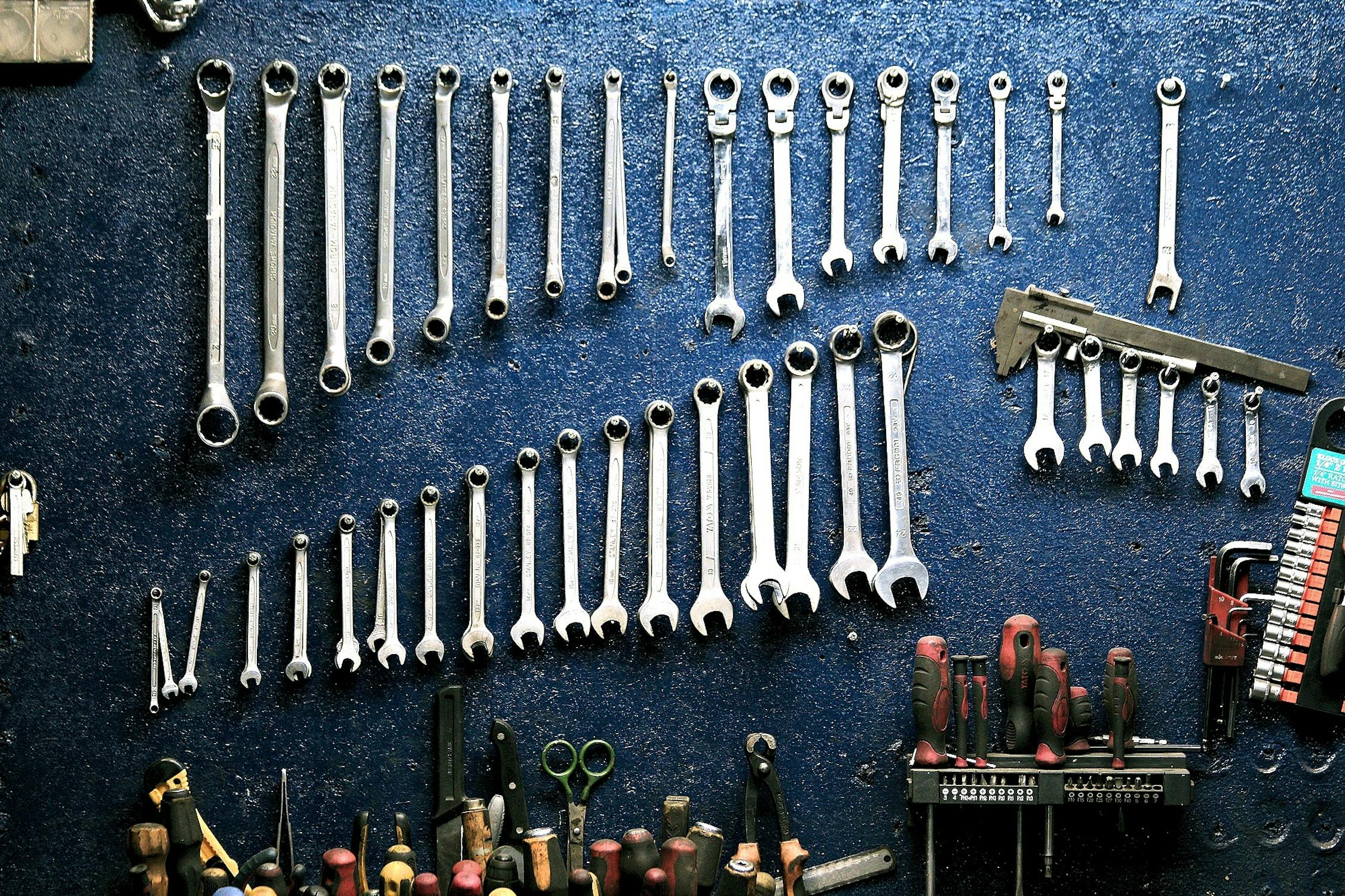
Before you begin designing your custom shift knob, you need to understand the threading system used by your vehicle. The shifter stalk has male threads, and your knob needs matching female threads. Getting this wrong means a wobbly, unsafe knob—or one that won't fit at all.
Most vehicles use metric threading, though some American trucks and older vehicles may use imperial threads. The specification includes the diameter and pitch (distance between threads). For example, M10x1.25 means a 10mm diameter with 1.25mm between each thread peak.
| Thread Size | Common Vehicles | Notes |
|---|---|---|
| M10x1.25 | Honda, Acura, Mazda, Mitsubishi, Most JDM vehicles | Most common Japanese thread |
| M10x1.5 | Toyota, Lexus, Subaru, Nissan, Some Honda models | Second most common JDM thread |
| M12x1.25 | Ford, GM, Chrysler, European vehicles | Common for American/European |
| M12x1.75 | Some European vehicles | Less common |
| M8x1.25 | Some older Hondas, specialty applications | Smaller diameter |
| M16x1.5 | Heavy-duty trucks, some racing applications | Larger for heavy use |
| 3/8-24 UNF | Classic American vehicles, some Jeeps | Imperial thread standard |
⚠️ Important: Verify Your Thread Size
Don't guess your thread specification! Remove your existing knob and measure with thread gauges or calipers. Alternatively, check your vehicle's online forums or service manual. An incorrectly threaded knob is a safety hazard and can damage your shifter.
Choosing the Right Material for Your Shift Knob

Material selection is critical for shift knobs. Unlike decorative prints that sit on a shelf, your shift knob will experience temperature extremes, UV exposure, constant handling, and significant mechanical stress. The wrong material choice can result in a knob that warps in summer heat, becomes brittle and cracks, or wears down rapidly.
Let's examine each material option in detail, with specific recommendations for automotive shift knob applications. You can learn more about automotive-grade materials in our interior parts guide.
Materials to Avoid
PLA (Polylactic Acid) is the most common 3D printing filament, but it's generally unsuitable for shift knobs. With a glass transition temperature of around 60°C (140°F), PLA will soften and deform when your car interior reaches summer temperatures. Even in moderate climates, dashboard temperatures can exceed 70°C (158°F) in direct sunlight.
🚫 PLA Heat Failure
Community members have reported PLA shift knobs deforming within weeks of installation, even in northern climates. One member's knob became oval-shaped after just two hot days with the car parked outside. Save PLA for prototyping only—never for your final shift knob.
Recommended Materials
| Material | Heat Resistance | Strength | Print Difficulty | Best For |
|---|---|---|---|---|
| PETG | 80°C (176°F) | Good | Easy | Moderate climates, daily drivers |
| ABS | 100°C (212°F) | Very Good | Moderate | Hot climates, enclosed printing required |
| ASA | 95°C (203°F) | Excellent | Moderate | UV exposure, outdoor parking |
| Nylon (PA) | 180°C (356°F) | Excellent | Challenging | High durability needs, track cars |
| CF-PETG | 85°C (185°F) | Very Good | Moderate | Lightweight, stiff feel |
| CF-Nylon | 180°C+ (356°F+) | Outstanding | Advanced | Professional-grade, race applications |
| Polycarbonate (PC) | 135°C (275°F) | Outstanding | Advanced | Impact resistance, extreme temps |
Material Deep Dives
PETG (Polyethylene Terephthalate Glycol) offers the best balance of printability and performance for most users. It prints nearly as easily as PLA but with significantly better heat resistance. For drivers in moderate climates who park in garages or shaded areas, PETG works well. The slight flexibility of PETG also provides a comfortable grip feel.
ABS (Acrylonitrile Butadiene Styrene) is the classic engineering plastic, used in everything from car interiors to LEGO bricks. It handles heat well and is quite durable, but requires an enclosed printer due to warping tendencies and produces potentially harmful fumes during printing. Many community members consider ABS their go-to for shift knobs.
ASA (Acrylonitrile Styrene Acrylate) is essentially a UV-stabilized version of ABS. This matters for shift knobs because sunlight streaming through your windshield can degrade some plastics over time. ASA maintains its color and strength even with constant UV exposure, making it ideal if your car frequently parks outdoors.
Carbon Fiber reinforced materials (CF-PETG, CF-Nylon, CF-PC) add chopped carbon fibers to the base material, increasing stiffness and reducing weight. Many enthusiasts prefer the premium feel of carbon fiber prints—the slight texture, the solid feel, and the reduced weight provide excellent shifting feedback. Just note that CF filaments require hardened steel nozzles as they're abrasive.
Designing Your Custom Shift Knob

Designing an effective shift knob requires balancing ergonomics, aesthetics, and mechanical requirements. A beautiful knob that doesn't fit your hand or causes fatigue during extended driving is ultimately a failure. Let's explore the key considerations for successful shift knob design.
Ergonomic Considerations
Your hand interacts with the shift knob in multiple ways: palm-over grip for quick shifts, fingertip control for precise gear selection, and sustained holding during highway driving. A well-designed knob accommodates all these grip styles comfortably.
- Diameter: 40-50mm works for most hands; larger for bigger hands
- Height: 45-65mm provides good leverage without feeling top-heavy
- Shape: Spherical, cylindrical, pistol-grip, and teardrop are popular options
- Texture: Some grip texture prevents slipping; too much causes fatigue
- Finger grooves: Can improve grip but limit hand positions
Weight Considerations
Shift knob weight significantly affects the driving experience. Heavier knobs (300-700g) provide smoother, more deliberate shifts with better feedback—popular among track enthusiasts and those who enjoy spirited driving. Lighter knobs (100-200g) feel quicker and are preferred by some for daily driving.
With 3D printing, you control weight through infill percentage. A 20% infill produces a very light knob; 80-100% infill creates a denser feel. For even more weight, you can design hollow cavities to fill with materials like steel BB pellets, lead shot (properly sealed), or even epoxy resin mixed with metal powder.
💡 Pro Tip: Weight Insert Technique
Design your shift knob with an internal cavity and a bottom access port. Print with 3 walls and 20% infill for structure. After printing, fill the cavity with steel shot and seal with epoxy. This technique can achieve weights of 400-500g while maintaining the benefits of 3D printed customization. Share your weighted knob designs in our community forum!
Modeling the Threads
The thread interface is the most critical part of your design. Poorly modeled threads will either not fit, fit loosely and wobble, or strip out quickly. There are two primary approaches:
Option 1: Printed Threads - Model the internal threads directly into your design. This requires careful attention to thread tolerances (typically add 0.2-0.4mm to dimensions for FDM prints) and printing with high resolution on the thread surfaces. This method works best for larger threads (M12+) with coarser pitches.
Option 2: Threaded Inserts - Design a cavity for a metal threaded insert. Heat-set inserts (McMaster-Carr, Amazon) provide excellent thread engagement and durability. This method is more forgiving and produces more reliable results, especially for smaller thread sizes. Many experienced makers prefer this approach.
Option 3: Epoxy and Thread Adapter - The simplest method: design a cavity, epoxy in a universal shift knob adapter or a properly sized nut. While less elegant, this method is foolproof and allows you to focus on the exterior design without worrying about printed thread accuracy.
Step-by-Step Printing Guide

Now that you understand materials and design considerations, let's walk through the complete process of printing a shift knob from start to finish. Following these steps will help ensure your first print is successful.
1. Prepare Your Design
If you're designing from scratch, use CAD software like Fusion 360, FreeCAD, or TinkerCAD. Ensure your model is watertight (no gaps or errors) and properly scaled for your vehicle's thread specification.
Alternatively, download pre-made designs from repositories like Thingiverse, Printables, or our own parts library. Many designs are parametric, allowing you to adjust thread size without starting from scratch.
2. Slice with Optimal Settings
Import your STL file into your slicer (Cura, PrusaSlicer, OrcaSlicer, etc.) and configure these recommended settings:
- Layer Height: 0.16-0.20mm for good balance; 0.12mm for thread surfaces
- Wall Count: 4-5 walls minimum for durability
- Infill: 40-60% for standard weight; higher or lower to taste
- Infill Pattern: Gyroid or cubic for strength
- Top/Bottom Layers: 5-6 layers for solid surfaces
- Print Speed: Reduce by 25% for better surface quality
- Supports: Usually not needed if printed threads-up
3. Print Orientation
Orientation significantly impacts both print quality and strength. For most shift knobs, print with the threaded end facing up. This orientation:
- Places layer lines perpendicular to primary stress direction
- Avoids supports inside the threaded cavity
- Produces the best surface finish on the visible portion
- Allows natural overhang for internal features
4. Post-Processing
Once printed, your shift knob likely needs some finishing work:
- Test Fit: Thread the knob onto your shifter (engine off, parking brake set). It should thread on smoothly but snugly. Too loose? Reprint with tighter tolerances. Too tight? Use a thread chaser or reprint.
- Sanding: Start with 220-grit and work up to 400, 600, then 1000-grit for a smooth finish. This removes layer lines and improves grip feel.
- Filling (Optional): Use automotive body filler or XTC-3D to eliminate visible layer lines for a professional appearance.
- Painting/Coating (Optional): Apply primer, color coats, and clear coat for a fully finished look. Alternatively, leave natural for that 3D printed aesthetic many enthusiasts appreciate.
Popular Shift Knob Styles and Designs

One of the greatest advantages of 3D printing is the ability to create any style you can imagine. Here are some popular design categories with tips for each:
Classic Round/Ball
The timeless spherical shift knob remains popular for good reason—it fits naturally in the hand from any angle and provides consistent leverage. Design tip: Add subtle texture or fingertip indentations to enhance grip without altering the classic aesthetic.
Pistol Grip/Ergonomic
Pistol grip designs provide excellent purchase during aggressive shifting. The angled surface naturally guides your hand into position. These designs benefit most from 3D printing as commercial options rarely fit all hand sizes. Design for YOUR hand by gripping modeling clay and scanning the impression.
JDM Weighted (Teardrop)
The JDM teardrop style is iconic in Japanese car culture. The tapered shape feels excellent in hand and looks period-correct on imports. Consider printing with an internal weight cavity to replicate the heft of classic aluminum or brass versions.
Custom Shapes and Novelty
This is where 3D printing truly shines. Skull designs, game controllers, custom logos, heads of characters—if you can model it, you can shift with it. While these designs prioritize style over ergonomics, they're popular for show cars and daily drivers seeking conversation starters.
Functional/Integrated
Advanced makers create shift knobs with integrated functionality: button mounts for nitrous or line-lock activation, hidden compartments, or even integrated electronics. 3D printing enables these designs that would be nearly impossible through traditional manufacturing.
🎨 Design Inspiration
Looking for inspiration? Browse hundreds of shift knob designs in our parts library. You can download and modify existing designs or use them as starting points for your own creations. Many include multiple thread size options.
Advanced Techniques for Professional Results

Ready to take your shift knobs to the next level? These advanced techniques separate hobbyist prints from professional-quality results.
Vapor Smoothing (ABS/ASA)
Acetone vapor smoothing dramatically improves surface finish on ABS and ASA prints. The process melts the outer layer slightly, filling in layer lines and creating a glossy, injection-molded appearance. This technique requires careful safety precautions (work outdoors or in a fume hood, no open flames) but produces stunning results.
Multi-Material Printing
Dual-extrusion printers enable creative possibilities: contrasting colors, combining rigid and flexible materials, or integrating TPU grip sections with rigid ASA structures. A common technique is printing the main body in ASA with TPU grip panels.
Resin Printing for Fine Detail
For intricate designs with fine details—logos, textures, scales, or patterns—resin (SLA/MSLA printing) produces superior results. Use engineering resins rated for temperature and UV exposure. Standard hobby resins will fail in automotive applications.
Hybrid Construction
Combine 3D printing with traditional materials for unique results. Print a custom outer shell that accepts a weighted aluminum core. Design a knob body that incorporates leather wrapping points. Create molds for casting custom resin or concrete cores.
Common Problems and Solutions
Even experienced makers encounter issues when printing shift knobs. Here are the most common problems and their solutions:
| Problem | Cause | Solution |
|---|---|---|
| Knob won't thread on | Threads too tight; material shrinkage | Add 0.2-0.4mm tolerance to thread diameter; chase with tap |
| Knob wobbles | Threads too loose; wear over time | Reprint with tighter tolerance; use thread locker; wrap with plumber's tape |
| Warped during printing | Bed adhesion issues; material properties | Use enclosed chamber; increase bed temp; add brim |
| Deforms in hot car | Material insufficient for heat | Switch to ASA, ABS, Nylon, or Polycarbonate |
| Threads stripping | Insufficient material; poor layer adhesion | Increase wall count to 5+; improve layer bonding; use threaded insert |
| Layer separation (delamination) | Print temperature too low; drafts | Increase nozzle temp 5-10°C; eliminate drafts; use enclosure |
| Poor grip/too slippery | Smooth surface finish | Add texture to model; use textured filament; apply rubberized coating |
Cost Analysis: 3D Printed vs. Aftermarket

Let's break down the real costs of 3D printing your own shift knob versus buying aftermarket options. For a detailed breakdown of 3D printing costs for all car parts, see our comprehensive cost comparison guide.
Material Costs: A typical shift knob uses 50-100g of filament. At current prices, that's approximately:
- PETG: $0.80-1.60 per knob ($16-20/kg)
- ABS: $0.75-1.50 per knob ($15-18/kg)
- ASA: $1.25-2.50 per knob ($25-30/kg)
- CF-Nylon: $2.50-5.00 per knob ($50-60/kg)
Aftermarket Costs: Compare these to typical aftermarket options:
- Generic aluminum: $20-40
- Weighted aluminum: $40-80
- Premium weighted (brass/titanium): $80-200
- Custom machined: $150-400+
Even including electricity, printer wear, and a few failed prototypes, you're saving 80-95% on each shift knob while getting exactly what you want. Plus, the experience and skills gained enable you to print other car parts, saving even more over time.
Safety and Best Practices

While shift knobs are low-risk components, following safety best practices ensures a reliable, enjoyable driving experience. Learn more about safety considerations for 3D printed car parts in our OEM comparison guide.
- Secure attachment: Ensure threads engage fully (minimum 5 threads deep). A loose knob can come off during shifting.
- No sharp edges: Round all edges and remove any burrs that could cut your hand.
- Test before driving: Verify the knob is fully seated and doesn't interfere with any dash components.
- Material temperature verification: Confirm your chosen material handles your climate's temperature extremes.
- Use thread locker: Medium-strength thread locker (blue Loctite) prevents loosening while still allowing removal.
- Regular inspection: Check periodically for cracks, looseness, or wear—especially on printed threads.
Where to Find STL Files and Designs

Not everyone wants to design from scratch, and that's perfectly fine. The maker community has shared thousands of shift knob designs across various platforms:
- 3D Printed Car Part Library: Our community-curated collection of automotive-specific designs, including dozens of shift knob variations
- Thingiverse: Large general repository with hundreds of shift knob designs
- Printables (Prusa): High-quality, well-documented designs from the Prusa community
- Cults3D: Mix of free and paid designs, including premium options
- MyMiniFactory: Curated collection with verified prints
When downloading designs, verify they include your thread specification or are parametric (adjustable). Check comments and "makes" to see how the design performs in real-world use.
Future of 3D Printed Shift Knobs
As 3D printing technology advances, the possibilities for custom shift knobs continue to expand. Here's what's on the horizon:
- Multi-material printing: Seamlessly combining rigid structure with soft-touch grip zones
- Embedded electronics: LED shift lights, temperature displays, or lap timers integrated into knob designs
- Advanced materials: Ceramic-filled composites and metal-infused filaments for premium feel
- AI-assisted design: Custom ergonomic knobs generated from hand scans
- Community collaboration: Improved parametric designs that adapt to any vehicle
Frequently Asked Questions
Can 3D printed shift knobs handle daily use?
Absolutely. When printed with appropriate materials (PETG, ABS, ASA, Nylon) and proper settings (adequate walls and infill), 3D printed shift knobs last years under daily use. Many community members report 50,000+ miles on their printed knobs.
Will my 3D printed shift knob melt in summer heat?
It depends on the material. PLA will definitely deform; PETG may soften in extreme heat (140°F+). ABS, ASA, Nylon, and Polycarbonate will survive even the hottest summer days. Choose your material based on your climate.
Do I need a special printer for shift knobs?
No special printer required. Any FDM printer capable of printing ABS or PETG will work. That includes popular models like the Ender 3, Prusa Mini, Bambu Lab A1, and countless others. An enclosed chamber helps with ABS and Nylon.
How do I add weight to my 3D printed shift knob?
Design with an internal hollow cavity and bottom access. After printing, fill with steel shot, lead shot, or tungsten powder mixed with epoxy. Seal the bottom with a printed cap or more epoxy. This method achieves weights of 300-600g while maintaining customization benefits.
Can I print threads directly or do I need inserts?
Both work. Printed threads require careful tolerance management (add 0.2-0.4mm) and benefit from coarser pitches. Threaded inserts (heat-set or epoxied) are more reliable and recommended for smaller threads. Many makers prefer inserts for their durability.
What's the best material for a shift knob?
For most users, ASA offers the best balance of printability, heat resistance, and UV stability. In moderate climates, PETG works well. For maximum durability and heat resistance, Nylon or CF-Nylon are excellent choices. Each material has trade-offs—choose based on your specific needs.
Ready to Create Your Perfect Shift Knob?
Join thousands of automotive enthusiasts and makers sharing designs, tips, and successful prints. Access our growing library of shift knob designs and connect with the community.
Create Free Account Browse Parts LibraryConclusion

3D printed shift knobs represent one of the most accessible and rewarding entry points into automotive 3D printing. The combination of relatively simple geometry, low safety risk, high personalization potential, and significant cost savings makes shift knobs the perfect first project for car enthusiasts entering the 3D printing world.
Whether you're creating a simple sphere in your favorite color, engineering a weighted performance knob, or designing something completely unique, the process teaches skills applicable to countless other automotive projects. The knowledge you gain about materials, thread specifications, and automotive tolerances opens doors to printing dashboard parts, brackets, trim pieces, and more.
The manual transmission may be fading from new vehicles, but for those of us who still prefer to row our own gears, a custom shift knob is a daily reminder of why driving should be engaging. Every shift becomes a small moment of satisfaction, knowing you created that exact feel, that perfect fit, that unique design that no one else has.
Share your shift knob projects with our community, find inspiration from other makers, and keep innovating. The road is better when you're connected to it—especially through something you built with your own hands.
Share Your Creation
Created a shift knob you're proud of? Share it with the community! Upload your design, post photos of your install, and help inspire the next generation of maker-drivers.
Join the DiscussionReference shelf
Materials and equipment referenced here
Optional product references matched to the material or printer discussion above. Use the specifications—not the brand name—to decide what fits your setup.
| Referenced item | What to verify | Price & availability |
|---|---|---|
| PETG filamentAmazon · Affiliate link | Amazon product page for 1.75 mm PETG; confirm colour, spool size, print temperature, seller, and delivery region. | Check price at Amazon |
| ASA filamentAmazon · Affiliate link | Amazon product page for 1.75 mm ASA; use an enclosure and suitable ventilation, and confirm seller and regional availability. | Check price at Amazon |
| ABS filamentAmazon · Affiliate link | Amazon product page for 1.75 mm ABS; use an enclosure and suitable ventilation, and verify temperature requirements and seller. | Check price at Amazon |
Affiliate disclosure: if you buy through an eligible link, 3DPrintedCarPart may earn a commission at no extra cost to you. As an Amazon Associate I earn from qualifying purchases. Confirm product specifications, compatibility, seller terms, and vehicle safety before ordering or using anything. Amazon may redirect you to a nearby supported store; otherwise the original Amazon.com page remains available.


