

BMW owners know that maintaining the "Ultimate Driving Machine" comes with a premium price tag. Whether you're restoring a classic E30, keeping an E46 on the road, or customizing your modern F-series, finding affordable replacement parts can feel impossible. This is where 3D printing technology is transforming BMW ownership—allowing enthusiasts to manufacture their own OEM-quality parts at a fraction of dealership prices.
In this comprehensive guide, we'll explore everything you need to know about 3D printing parts for your BMW. From interior trim pieces to functional components, you'll discover which parts can be safely printed, the best materials for automotive applications, and how the BMW Group itself is embracing additive manufacturing in their production facilities.
Why BMW Owners Are Turning to 3D Printing
BMW has a well-earned reputation for engineering excellence, but this precision comes at a cost. Genuine BMW parts often carry price premiums of 200-500% compared to generic alternatives. For older models like the E30, E36, or E46, many parts have been discontinued entirely, leaving owners searching salvage yards or paying absurd prices for NOS (New Old Stock) components.
The BMW Group's Additive Manufacturing Campus in Oberschleissheim produces over 300,000 3D printed parts annually—proof that the technology meets automotive standards. If BMW trusts 3D printing for production vehicles, enthusiasts can confidently apply the same technology to their builds.
💡 Key Insight
BMW has been using 3D printing since the 1990s for prototyping and now produces over 300,000 production parts annually using additive manufacturing. This same technology is available to home enthusiasts with desktop 3D printers.
The BMW Parts Availability Problem
BMW's parts availability follows a predictable curve. New models have full dealership support, but as vehicles age beyond 15-20 years, parts become increasingly scarce. The E30 (1982-1994), E36 (1990-2000), and even the beloved E46 (1998-2006) now face significant parts availability challenges.
Common unavailable items include:
- Interior trim clips and fasteners
- Dashboard vent surrounds and bezels
- Cup holders and storage inserts
- Window switches and button caps
- Glove box latches and hinges
- Trunk cargo organizers
- OBC (On-Board Computer) button surrounds
- Center console components
This is precisely where 3D printing excels. These are exactly the types of plastic components that can be accurately replicated using modern FDM and resin printing technologies.
Most Popular 3D Printable BMW Parts
Not every car part can or should be 3D printed, but many interior and non-structural components are perfect candidates. Here's what BMW enthusiasts are printing most frequently:
Interior Components
Interior trim is the sweet spot for 3D printed BMW parts. These components face minimal stress, don't affect safety systems, and are often made from similar plastics to what desktop printers use.
| Part Category | Common BMW Applications | Recommended Material | Difficulty |
|---|---|---|---|
| Dashboard Vents | E30, E36, E46, E90 vent bezels | ASA or ABS | Medium |
| Cup Holders | E36, E46, E39 center console | PETG or ABS | Easy |
| Button Caps | Window switches, OBC buttons | Resin (SLA) | Advanced |
| Trim Clips | Door panels, headliner, trunk | Nylon or PETG | Easy |
| Phone Mounts | Custom dashboard/vent mounts | PETG | Easy |
| Glove Box Parts | Latches, hinges, dividers | ABS or Nylon | Medium |
| Shift Knob Inserts | Manual transmission pattern | Resin or ASA | Medium |
| Sunroof Components | Guide rails, wind deflector clips | ASA | Advanced |
Under-Hood Components
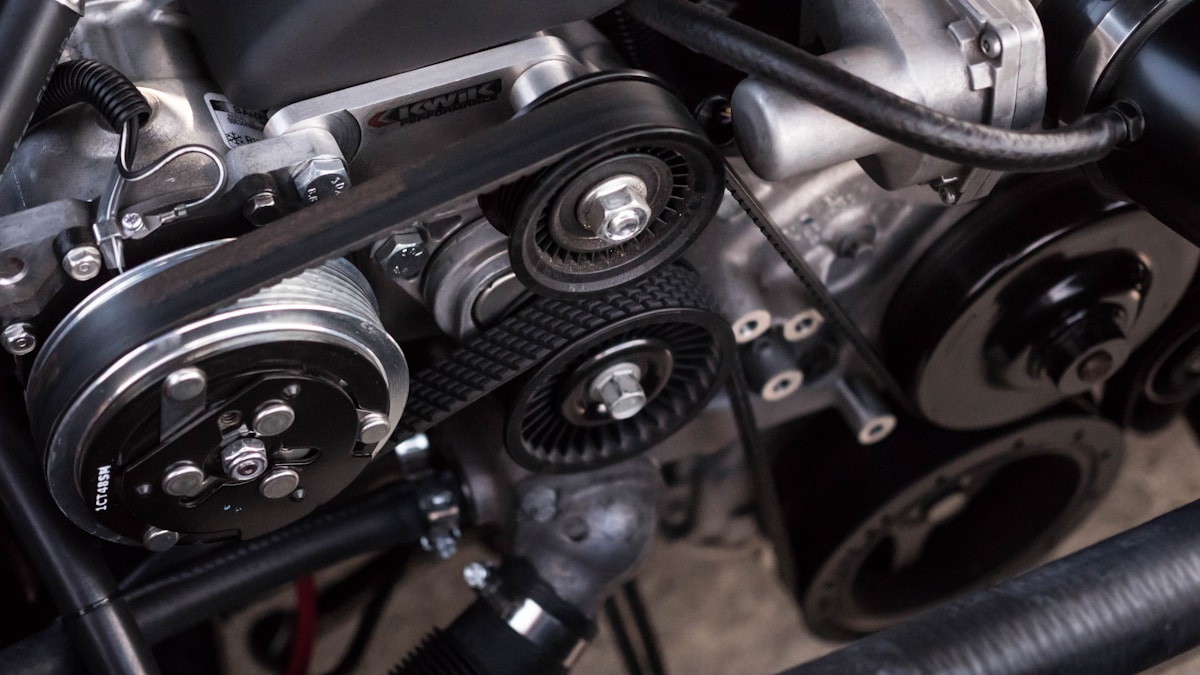
Engine bay parts require more careful material selection due to heat exposure and vibration, but many brackets, covers, and non-critical components can be successfully printed.
- Coolant reservoir caps - ASA or high-temp Nylon
- Fuse box covers - ABS or ASA
- Wire harness clips - Nylon (best vibration resistance)
- Air intake components - Carbon fiber reinforced materials
- Sensor brackets - ASA with heat resistance
- Oil cap covers - PETG or ABS (decorative only)
⚠️ Temperature Warning
Engine bay temperatures can exceed 100°C (212°F). Standard PLA will deform at these temperatures. Always use ASA, ABS, Nylon, or specialty high-temperature materials for under-hood applications.
Exterior Accessories
While structural exterior parts require professional-grade materials and processes, many cosmetic accessories are excellent printing candidates:
- License plate frames and surrounds
- Kidney grille accent pieces
- Wheel center cap inserts
- Mirror cap accents
- Trunk emblems and badges
- Antenna bases and covers
The Zortrax case study showcases how one BMW owner successfully printed wheel bolt caps, trunk threshold covers, and xenon connector caps for his E91—demonstrating the wide range of exterior applications possible.
Best Materials for BMW Parts

Material selection is critical for BMW parts that will face real-world automotive conditions. Different areas of the car require different material properties.
| Material | Heat Resistance | UV Resistance | Best BMW Applications | Price/kg |
|---|---|---|---|---|
| ASA | 95°C | Excellent | Dashboard, exterior, engine bay | $25-35 |
| ABS | 85°C | Poor | Interior, protected areas | $20-30 |
| PETG | 75°C | Good | Interior trim, non-heat areas | $20-28 |
| Nylon (PA) | 80-180°C* | Good | Clips, brackets, high-stress parts | $40-60 |
| CF-Nylon | 140°C | Excellent | Engine bay, structural | $60-90 |
| PC (Polycarbonate) | 130°C | Fair | Lens covers, high-impact | $45-65 |
| TPU | 70°C | Good | Gaskets, seals, vibration dampening | $30-45 |
*Nylon heat resistance varies significantly by grade. PA6 and PA12 have different thermal properties.
✅ Pro Tip: ASA is Your BMW Best Friend
ASA (Acrylonitrile Styrene Acrylate) is essentially UV-resistant ABS. For BMW dashboard parts that sit in direct sunlight, ASA won't yellow or become brittle like ABS. It's quickly becoming the go-to material for automotive enthusiasts.
BMW Model-Specific 3D Printing Guides
Different BMW generations have unique parts challenges. Here's what enthusiasts are printing for each popular platform:
E30 (1982-1994) - The Classic 3 Series
The E30 is over 30 years old, making parts increasingly scarce. Popular 3D printed items include:
- OBC (On-Board Computer) button surrounds - notorious for cracking
- Heater control panel bezels
- Shift boot surrounds
- Door panel trim clips
- Side mirror bases
- Trunk light housings
The E30 community on platforms like Thingiverse has created dozens of ready-to-print models specifically for this chassis.
E36 (1990-2000) - The Drift Favorite
The E36's notorious cup holder design has made it one of the most printed BMW parts. Common items include:
- Center console cup holders (improved designs available)
- Window switch surrounds
- Climate control buttons
- Door handle trim
- Trunk cargo hooks
E46 (1998-2006) - The Last "Real" 3 Series
Many enthusiasts consider the E46 the peak of BMW's driver-focused engineering. As these cars age, commonly needed parts include:
- Cup holder releases (extremely fragile OEM design)
- Interior door handle trims
- HVAC vent controls
- Center console coin holders
- Trunk latch covers
- Glove box hinges
E90/E91/E92/E93 (2005-2013)
The E90 generation introduced iDrive and more complex interior electronics, creating new printing opportunities:
- iDrive controller surrounds
- Custom phone mounting solutions
- Cup holder inserts
- USB/aux port brackets
- Center console storage dividers
🔧 Community Resources
Our community has BMW-specific 3D print files ready to download. Browse, share, and discuss your BMW projects with fellow enthusiasts.
Browse BMW Parts Library →Step-by-Step: Creating Custom BMW Parts
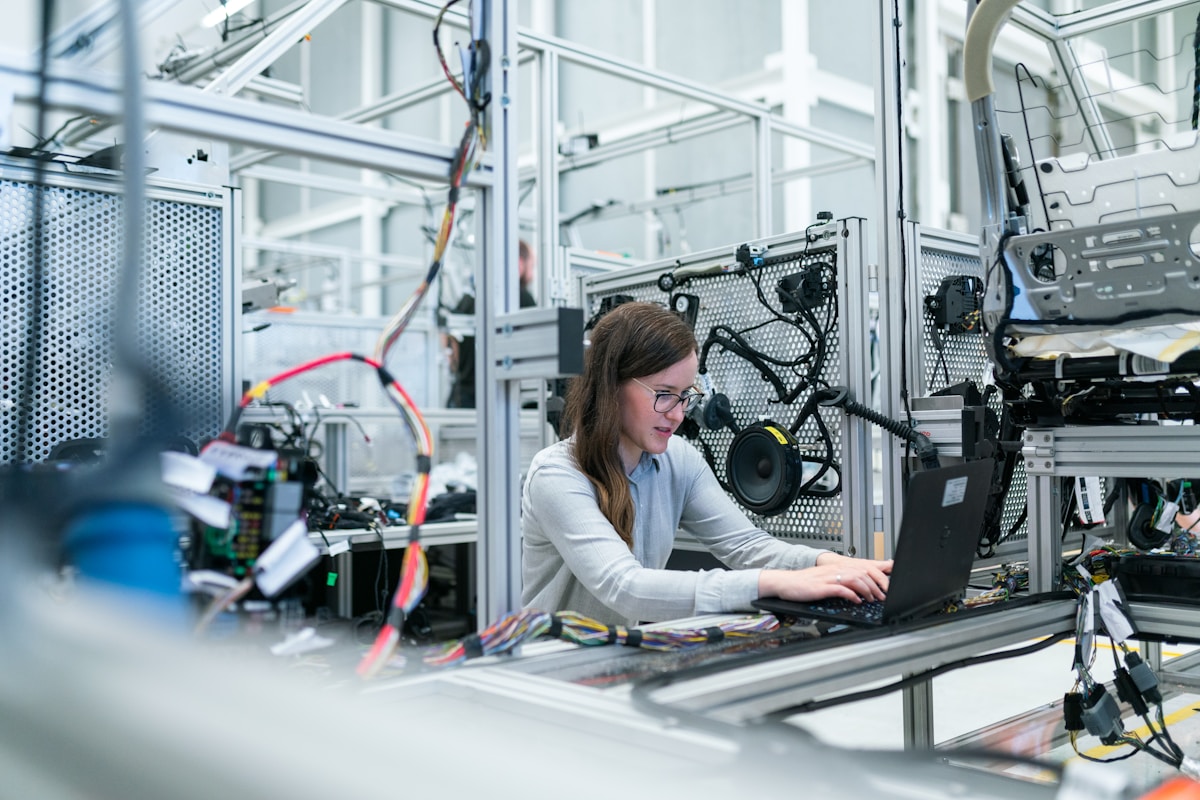
Creating your own BMW parts follows a systematic workflow. Here's the complete process from concept to installed component:
Step 1: Measure the Original Part
Accurate measurements are crucial for proper fit. Use digital calipers for precision—analog calipers work too, as demonstrated in the Zortrax BMW case study where the engineer preferred traditional measuring tools.
Key measurement tips for BMW parts:
- Measure mounting points and clip locations precisely
- Account for BMW's tight tolerances (typically ±0.1mm)
- Document the original material thickness
- Note any flexibility requirements (clips need to flex)
- Take photos from multiple angles for reference
Step 2: 3D Modeling
Several CAD options exist for creating BMW parts:
- Fusion 360 - Free for hobbyists, excellent for mechanical parts
- SolidWorks - Industry standard, steep learning curve
- TinkerCAD - Beginner-friendly, limited features
- FreeCAD - Open source, parametric modeling
- Blender - Better for organic shapes, less precise
For reverse engineering existing parts, 3D scanning with photogrammetry apps or dedicated scanners can capture complex geometries automatically.
Step 3: Print Settings Optimization
BMW parts require specific print settings for durability:
| Setting | Recommended Value | Why It Matters for BMW |
|---|---|---|
| Layer Height | 0.16-0.2mm | Balance of detail and strength |
| Infill | 40-100% | Higher for structural parts, clips |
| Wall Count | 4-6 walls | Impact resistance for daily use |
| Print Orientation | Load-bearing optimized | Layer lines should not face stress direction |
| Top/Bottom Layers | 5+ layers | Surface durability |
Step 4: Post-Processing
Getting that OEM-quality finish requires proper post-processing:
- Sanding - Start at 120 grit, progress to 800 for smooth finish
- Acetone smoothing - For ABS parts only, creates glossy surface
- Filler primer - Eliminates layer lines before painting
- Textured spray paint - Matches BMW's factory interior textures
- Clear coat - UV protection for exterior parts
📋 Post-Processing Kit Essentials
- • Digital calipers for verification
- • Sandpaper set (120-800 grit)
- • Filler primer spray
- • Textured black spray paint (interior match)
- • Clear UV-resistant coat
- • Heat gun for fine adjustments
Cost Savings: OEM vs 3D Printed BMW Parts

One of the most compelling reasons to 3D print BMW parts is the dramatic cost savings. Let's look at real-world comparisons for common parts:
E46 Cup Holder Example
The infamous E46 cup holder is a perfect case study. BMW's engineering created a holder with a notoriously fragile release mechanism.
- OEM part from dealer: $85-120
- Aftermarket replacement: $25-45
- 3D printed (material cost): $2-5
- 3D printed (improved design): Stronger than original
The 3D printed version isn't just cheaper—community designs often feature reinforced stress points, making them more durable than the factory part.
E30 OBC Button Surround
These trim pieces are notorious for cracking after decades of UV exposure:
- NOS (New Old Stock): $150+ when available
- Used/salvage: $40-80 (often cracked)
- 3D printed in ASA: $3-6
- Bonus: ASA won't crack from UV like original
Annual Savings Potential
For active BMW enthusiasts maintaining older vehicles, annual savings can be substantial. Our complete cost comparison guide breaks down ROI calculations in detail.
A typical restoration project might include:
- 10-15 interior trim pieces: $500-800 OEM → $20-40 printed
- Mounting brackets and clips: $200-300 OEM → $10-15 printed
- Custom accessories (phone mounts, etc.): $100-150 → $5-10 printed
- Total savings: $700-1,200 per project
Safety Considerations for BMW Parts
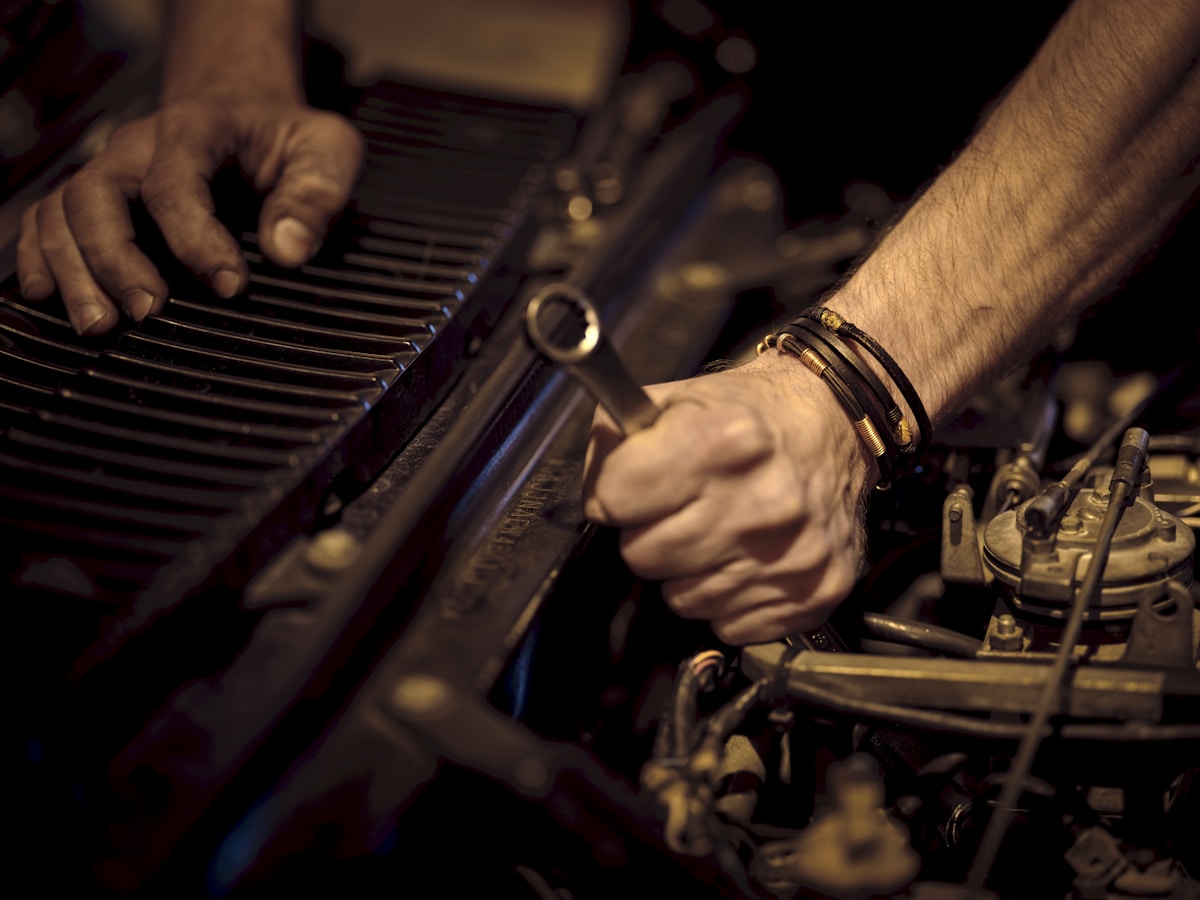
While 3D printing opens tremendous possibilities, BMW's engineering standards exist for good reason. Some parts should never be 3D printed without professional engineering validation:
🚫 Do NOT 3D Print These BMW Parts
- • Brake system components (calipers, lines, master cylinder)
- • Suspension parts (control arms, tie rods, ball joints)
- • Steering components (tie rod ends, steering rack parts)
- • Structural body components
- • Seatbelt anchors or pretensioners
- • Airbag housings or deployment components
- • Fuel system parts (lines, fittings, pump components)
- • Wheel hubs or load-bearing components
For a comprehensive understanding of what's safe to print, see our 3D printed car parts safety guide.
Safe Printing Guidelines
Follow these principles for safe BMW parts production:
- Stick to cosmetic and non-structural parts - Interior trim, covers, brackets
- Over-engineer your designs - Add 20-30% extra material thickness
- Use appropriate materials - Match heat and UV requirements
- Test before installation - Verify fitment and stress behavior
- Know the failure mode - If it breaks, will it cause harm?
- Document everything - Track materials and print settings for reproducibility
BMW's Own 3D Printing Program
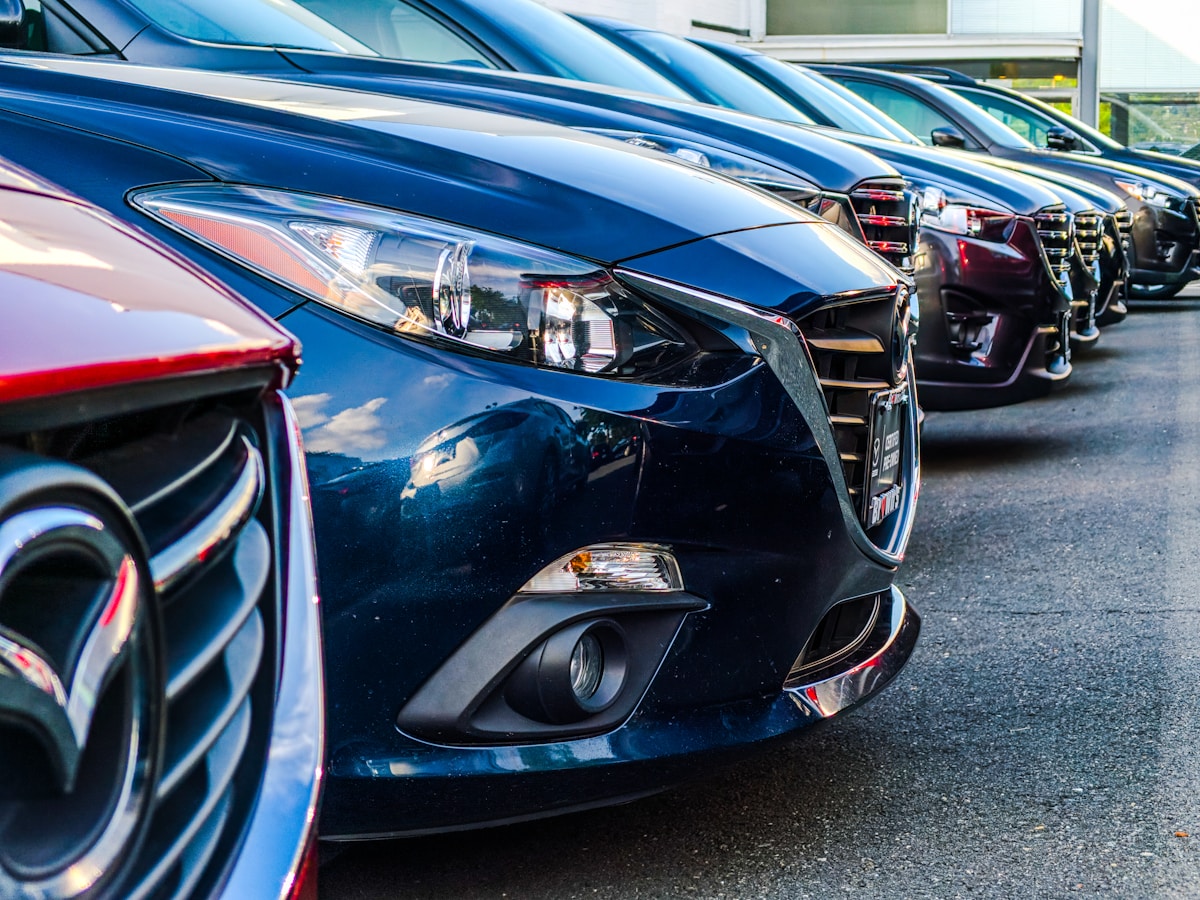
BMW has been a pioneer in automotive 3D printing since the 1990s. Understanding their approach provides valuable insights for enthusiast applications.
BMW Additive Manufacturing Campus
Located in Oberschleissheim near Munich, BMW's dedicated 3D printing facility represents a $15 million investment in additive manufacturing. Key facts:
- Over 300,000 parts produced annually
- Both metal and polymer 3D printing capabilities
- Parts used in production vehicles including Rolls-Royce
- Research into generative design and AI-optimized components
- HP Multi Jet Fusion technology for production parts
Production Parts Currently 3D Printed
BMW uses 3D printing for several production vehicle components:
- Window guide rails - HP Jet Fusion printed, production use
- i8 Roadster soft-top bracket - Metal 3D printed
- MINI customization parts - Personalized trim pieces
- Rolls-Royce components - Bespoke luxury details
- Prototype and testing parts - Rapid iteration
This validation from BMW themselves demonstrates that properly engineered 3D printed parts absolutely meet automotive standards.
Best 3D Printers for BMW Parts
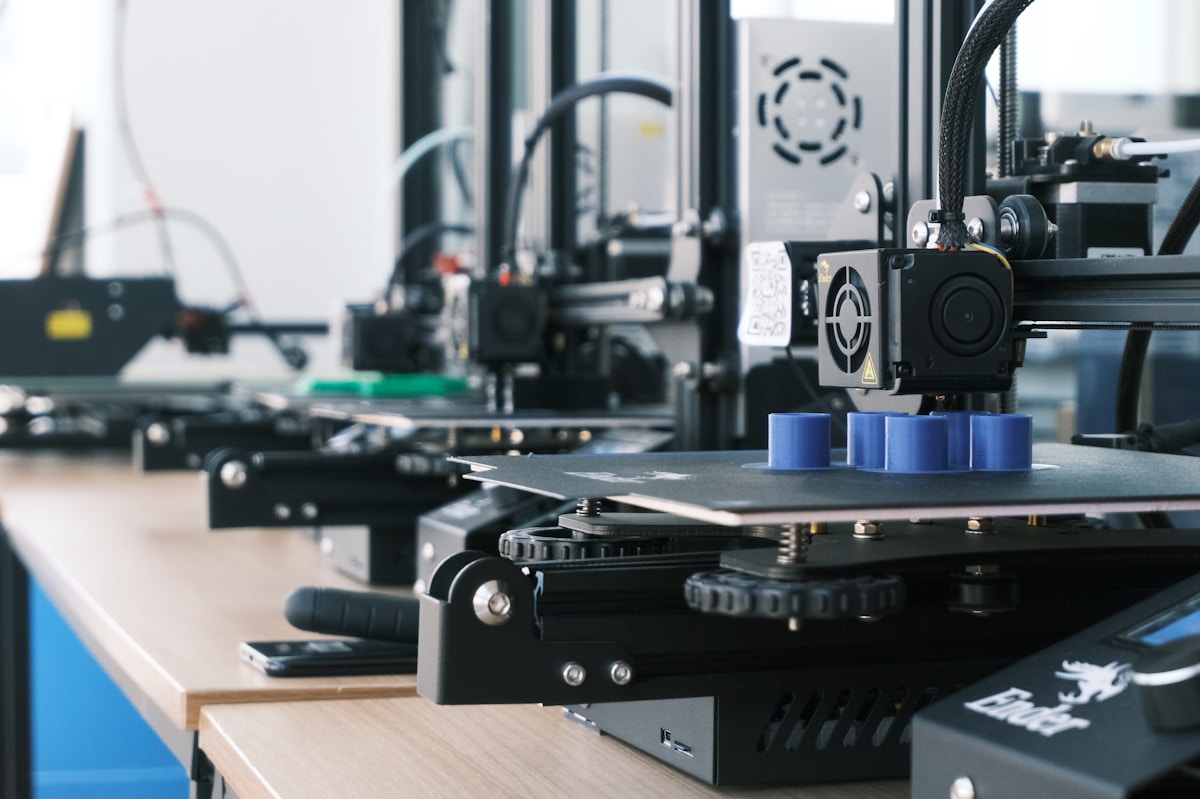
Not all printers are suited for automotive work. Here are the key requirements and top recommendations:
Printer Requirements
- Enclosed build chamber - Required for ABS/ASA to prevent warping
- Heated bed (100°C+) - Essential for engineering materials
- All-metal hotend - Needed for high-temp materials
- Build volume 200mm+ - Larger BMW parts need space
- Direct drive extruder - Better for flexible materials (TPU)
Recommended Printers
Budget ($200-400):
- Creality K1 - Fast, enclosed, excellent for ASA/ABS
- Bambu Lab A1 mini - Compact but capable with AMS compatibility
- Elegoo Neptune 4 Plus - Large build volume, good value
Mid-Range ($400-800):
- Bambu Lab P1S - Fully enclosed, excellent print quality
- Prusa MK4 - Proven reliability, great support
- Qidi X-Plus 3 - Dual-zone heating, industrial features
Professional ($800+):
- Bambu Lab X1 Carbon - Best-in-class for engineering materials
- Raise3D Pro3 - Industrial quality, large build volume
- Zortrax M200 Plus - Proven in BMW restoration (case study above)
Finding BMW 3D Print Files
Before designing from scratch, check existing repositories. The BMW community has shared thousands of ready-to-print files:
Free Resources
- Thingiverse - Largest free repository, search by chassis code (E30, E46, etc.)
- Cults3D - Mix of free and premium BMW designs
- Printables - Prusa's platform with quality BMW models
- BMW Forums - Bimmerforums, E46Fanatics often share files
Community Resources
Our growing library includes BMW-specific parts contributed by enthusiasts. Browse the collection and contribute your own designs to help fellow BMW owners.
Join Our BMW Enthusiast Community
Connect with fellow BMW owners who are using 3D printing to maintain and customize their vehicles. Share your projects, get help with designs, and access exclusive BMW print files.
Real-World BMW 3D Printing Success Stories
Hearing from actual BMW owners validates the potential of 3D printing for vehicle maintenance and customization.
E91 330d Restoration (Zortrax Case Study)
Krzysztof Urban, an engineer, used Zortrax printers to restore his 2006 BMW E91 330d. Parts produced included:
- Trunk sill caps (resin printed)
- Xenon connector caps (resin printed)
- Oil drain plug cap (PETG)
- Custom smartphone holder (Nylon for strength)
- Wheel bolt caps (PC-ABS)
The project demonstrated that with proper material selection, 3D printed parts can match or exceed OEM quality while costing a fraction of the price.
E30 Community Projects
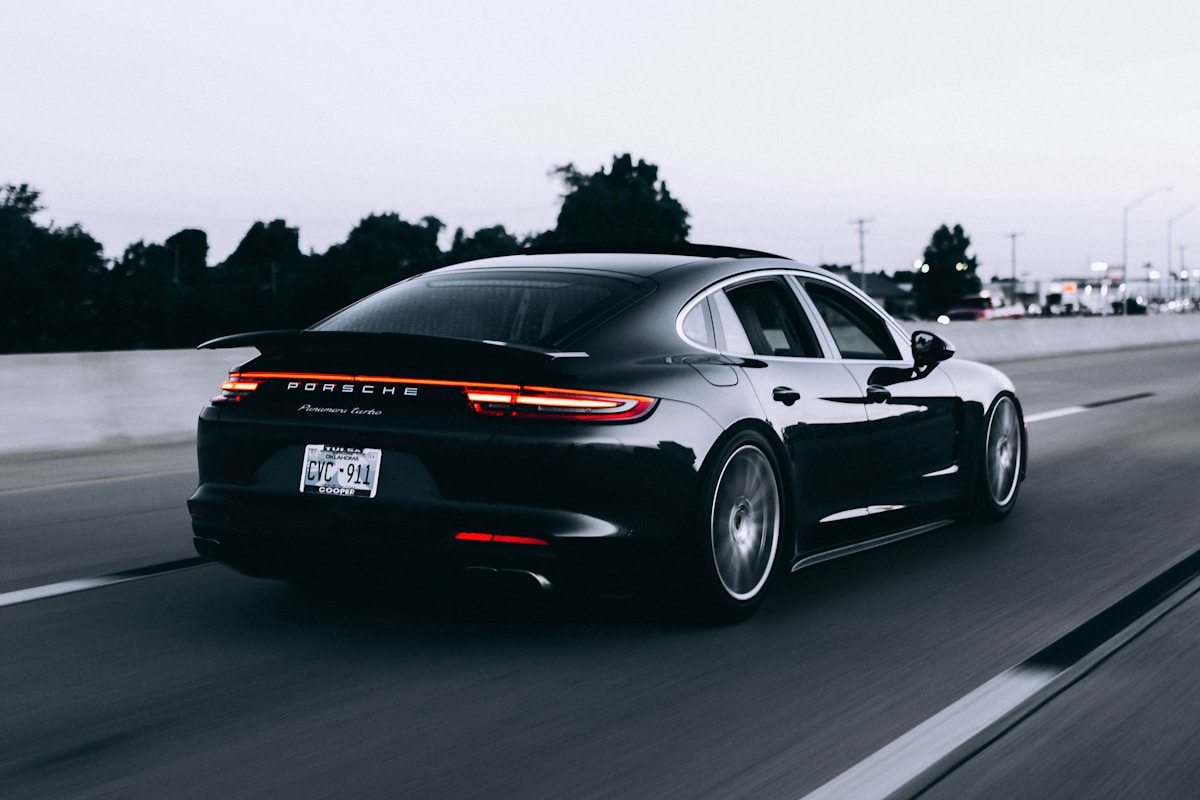
The E30 community has been particularly active in 3D printing due to parts scarcity. Notable projects include complete OBC button surrounds, custom gauge clusters, and improved HVAC vent designs.
Getting Started: Your First BMW Print
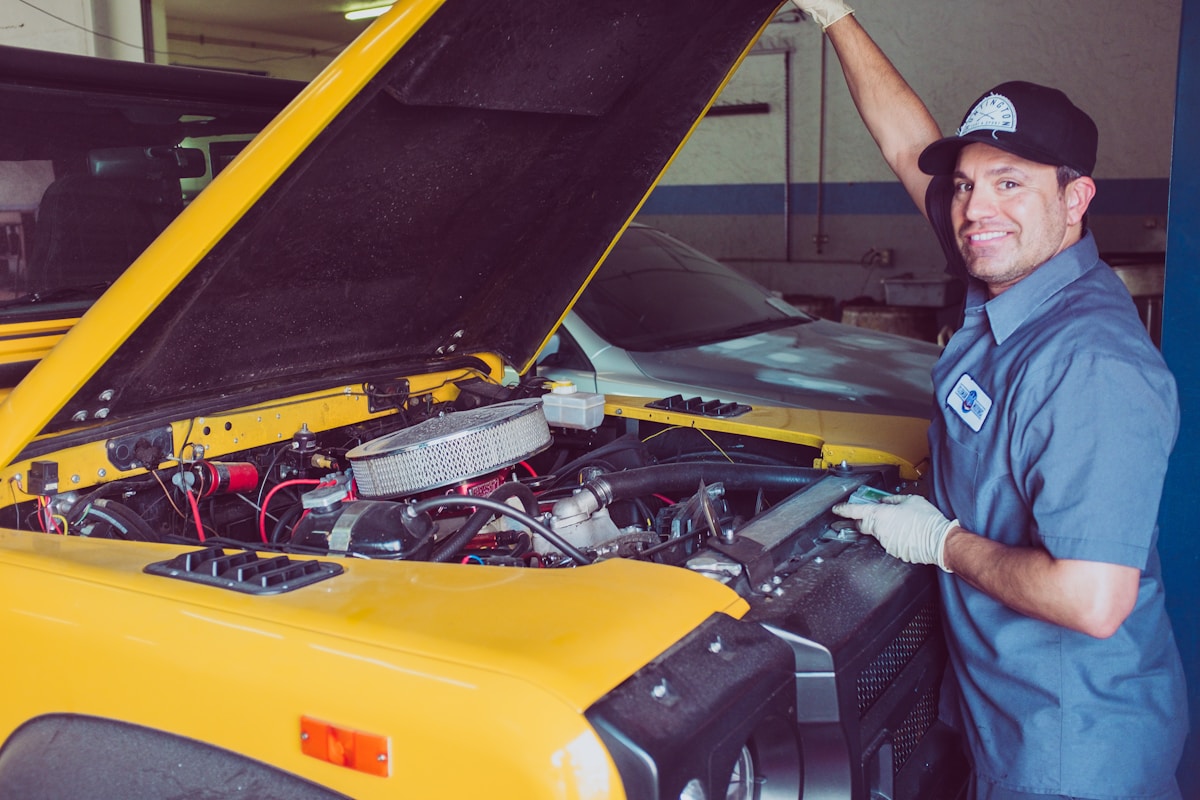
Ready to start 3D printing parts for your BMW? Here's a beginner-friendly first project roadmap:
Recommended First Projects
- Custom phone mount - Simple geometry, non-critical, immediately useful
- Trim clips - Small, quick to print, learn fitment requirements
- Cup holder insert - Practical, forgiving tolerances
- Vent surround - Visible improvement, moderate complexity
Step-by-Step First Project
- Choose your part - Start with something simple and non-critical
- Find or create the model - Check Thingiverse first
- Select appropriate material - PETG is forgiving for beginners
- Print a test fit - Use lower infill for faster iteration
- Refine and reprint - Adjust dimensions as needed
- Final production print - High infill, proper layer adhesion
- Post-process if needed - Sand, paint, install
- Share your results - Help the community!
Frequently Asked Questions
Can I 3D print structural BMW parts?
No. Structural parts like suspension components, steering parts, and brake system components require engineering-grade materials and professional validation. Stick to cosmetic and non-safety-critical parts for DIY printing.
What material is best for BMW dashboard parts?
ASA (Acrylonitrile Styrene Acrylate) is ideal because it resists UV degradation and handles dashboard temperatures. ABS works for shaded areas, but will yellow and become brittle in direct sunlight over time.
Will 3D printed parts fit as precisely as OEM?
With proper measurement and calibration, 3D printed parts can achieve the same tolerances as OEM. BMW uses tight tolerances (±0.1mm typically), which quality desktop printers can match.
How long do 3D printed BMW parts last?
With appropriate materials, 3D printed parts can last as long or longer than OEM. ASA parts in UV-exposed areas can outlast original ABS components that were prone to sun damage.
Can I sell 3D printed BMW parts?
Creating original designs is fine. However, copying BMW's trademarked designs or logos may violate intellectual property laws. Always create improved versions or original designs rather than exact replicas of branded items.
What's the minimum printer I need for BMW parts?
A printer with a heated bed (60°C+), enclosed build chamber, and 200mm+ build volume will handle most BMW interior parts. For best results with engineering materials, look for all-metal hotends and 100°C+ bed capability.
Conclusion: The Future of BMW Ownership
3D printing is fundamentally changing what it means to own and maintain a BMW. No longer are enthusiasts at the mercy of discontinued parts catalogs or dealer markup. With a modest investment in printing equipment and some learning, you can produce high-quality replacement parts and custom accessories that match or exceed OEM specifications.
The technology continues to improve rapidly. Materials are becoming more capable, printers more affordable, and community resources more extensive. Whether you're restoring a classic E30 or customizing a modern F-series, 3D printing gives you unprecedented control over your BMW's maintenance and personalization.
Start small with a simple project, learn the fundamentals, and gradually take on more complex parts. Before long, you'll wonder how you ever maintained a BMW without a 3D printer in your garage.
Ready to Transform Your BMW Experience?
Join thousands of BMW enthusiasts who are already using 3D printing to maintain and customize their vehicles. Access our parts library, connect with experts, and share your projects.
Related Articles
Reference shelf
Materials and equipment referenced here
Optional product references matched to the material or printer discussion above. Use the specifications—not the brand name—to decide what fits your setup.
| Referenced item | What to verify | Price & availability |
|---|---|---|
| PETG filamentAmazon · Affiliate link | Amazon product page for 1.75 mm PETG; confirm colour, spool size, print temperature, seller, and delivery region. | Check price at Amazon |
| ASA filamentAmazon · Affiliate link | Amazon product page for 1.75 mm ASA; use an enclosure and suitable ventilation, and confirm seller and regional availability. | Check price at Amazon |
| ABS filamentAmazon · Affiliate link | Amazon product page for 1.75 mm ABS; use an enclosure and suitable ventilation, and verify temperature requirements and seller. | Check price at Amazon |
Affiliate disclosure: if you buy through an eligible link, 3DPrintedCarPart may earn a commission at no extra cost to you. As an Amazon Associate I earn from qualifying purchases. Confirm product specifications, compatibility, seller terms, and vehicle safety before ordering or using anything. Amazon may redirect you to a nearby supported store; otherwise the original Amazon.com page remains available.


