

Whether you're adding a custom cold air intake to boost horsepower, creating a one-of-a-kind shift knob, or engineering performance brackets that don't exist in any catalog, 3D printing opens up a world of automotive modifications previously reserved for professional fabrication shops. In this comprehensive guide, we'll walk you through everything you need to start modifying your car with 3D printed parts—from project ideas and material selection to design tips and safety considerations.
Why 3D Printing is Perfect for Car Modifications
Traditional car modifications often require expensive custom fabrication, finding rare aftermarket parts, or compromising with ill-fitting universal solutions. 3D printing changes all of this by giving you complete control over your modifications.

The Advantages of DIY 3D Printed Mods
- Perfect fitment: Design parts specifically for your vehicle—no more "universal" parts that don't quite fit
- Unlimited customization: Create exactly what you want, not what manufacturers think you want
- Rapid prototyping: Test designs quickly and iterate until perfect
- Cost-effective: Produce complex parts for a fraction of aftermarket prices
- No minimum orders: Make one-off custom parts without paying production setup fees
- Intellectual ownership: Keep your designs private or share with the community
💡 Pro Tip: Start Simple
New to car modifications? Start with non-critical parts like trim pieces, phone mounts, or cup holder inserts. Build your skills before tackling performance modifications that require engineering precision.
Top DIY 3D Printed Car Modification Projects
From subtle interior upgrades to under-hood performance parts, here are the most popular 3D printed car modification projects that enthusiasts are tackling right now.

1. Custom Interior Modifications
Interior mods are the perfect starting point for DIY 3D printing. These parts face moderate temperatures (depending on location), aren't safety-critical, and allow for maximum creativity.
Popular Interior Mod Projects:
- Custom shift knobs: Weighted, ergonomic, or novelty designs with perfect thread specifications
- Center console organizers: Custom-fit storage for your exact console dimensions
- Cup holder adapters: Fit oversized YETI or Stanley tumblers in factory cup holders
- Phone mounts: Vehicle-specific mounts that integrate seamlessly with your dash
- Custom gauge pods: A-pillar or dash-mounted gauge housings for aftermarket gauges
- Button panel upgrades: Replace worn switch covers or add new control panels
- Custom vent surrounds: Unique bezels for AC vents with integrated phone holders or gauge mounts
Check our complete shift knob guide for thread specifications across all vehicle makes.
2. Performance Enhancement Modifications
This is where 3D printing really shines for car enthusiasts. Performance mods that were previously custom fabrication-only can now be designed and printed at home.

Performance Mod Categories:
| Modification Type | Best Material | Difficulty Level | Performance Benefit |
|---|---|---|---|
| Cold Air Intake Ducting | ASA or PA-CF | Intermediate | Improved airflow & cooler intake temps |
| Velocity Stack Trumpets | ASA or Nylon | Advanced | Optimized intake airflow |
| Intercooler Ducting | ASA or PC | Advanced | Better intercooler efficiency |
| Brake Cooling Ducts | ASA (caution required) | Advanced | Reduced brake fade in track use |
| Boost Gauge Pod Mount | PETG or ASA | Beginner | Better gauge visibility |
| Catch Can Brackets | ASA or PA-CF | Intermediate | Custom mounting solution |
| Airbox Lid Modification | ASA | Intermediate | Improved intake volume |
⚠️ Safety Warning: Under-Hood Parts
Engine bay temperatures can exceed 100°C (212°F). Always use materials rated for your specific application temperature. ASA is the minimum for most under-hood parts, with PA-CF or PC recommended for high-heat areas. Never use PLA or standard PETG for engine bay modifications.
3. Exterior Styling Modifications
Give your car a unique look with custom exterior modifications. These parts face the harshest conditions—UV exposure, rain, temperature extremes—so material selection is critical.
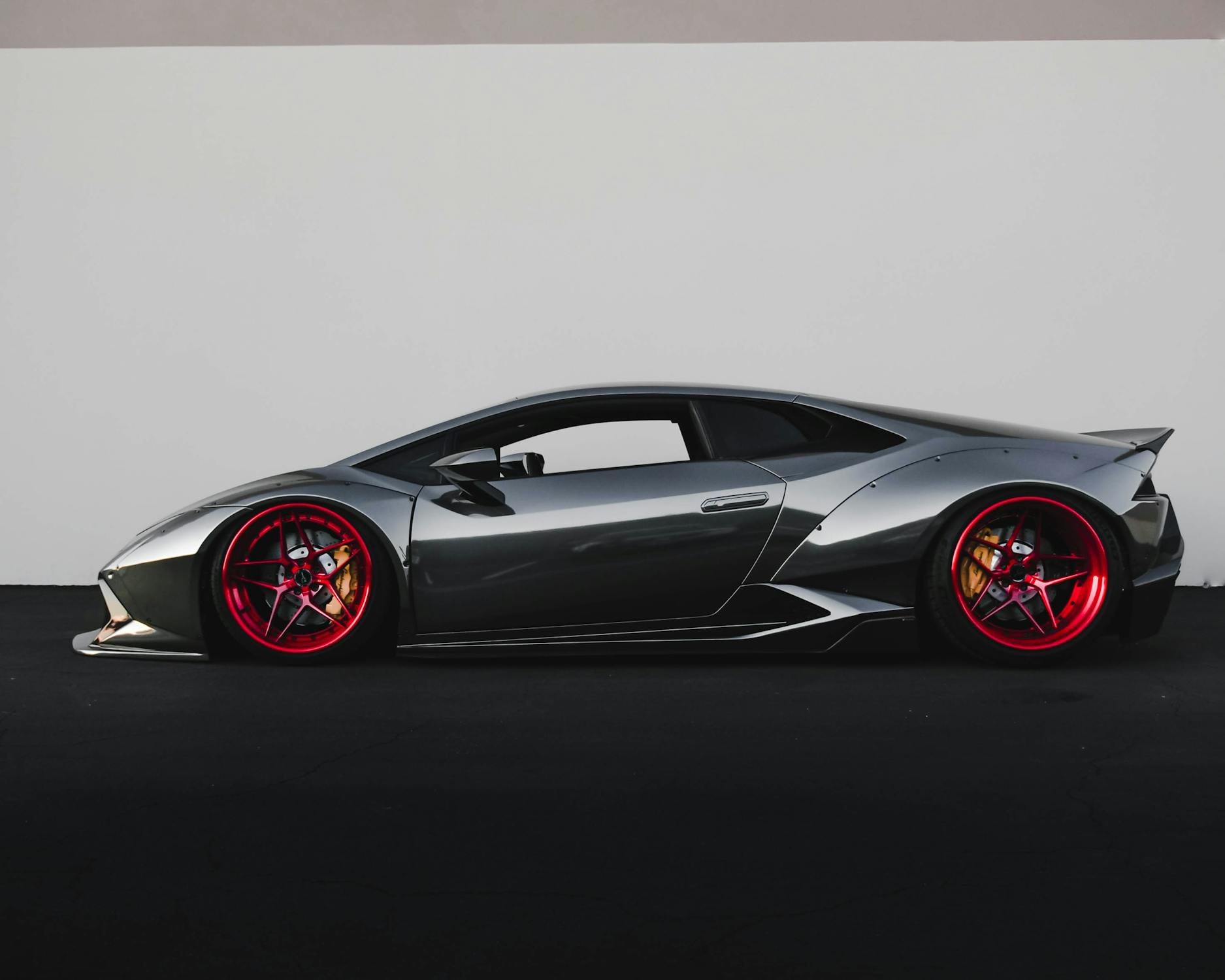
Popular Exterior Mod Projects:
- Custom grille inserts: Unique patterns or brand-specific mesh designs
- Splitter extensions: Front splitter end plates or dive planes
- Aero canards: Front bumper canards for track days
- Diffuser elements: Rear diffuser fins and strakes
- License plate frames: Custom designs with integrated lighting
- Mirror covers: Aerodynamic or stylized mirror housings
- Antenna replacements: Custom or shorter antenna designs
- Custom badges: Unique emblems and fender badges
Learn more about exterior-grade materials in our ASA filament guide.
4. Functional Upgrades and Convenience Mods
Not all modifications are about performance or aesthetics. Many of the best 3D printed mods solve everyday annoyances or add missing functionality.
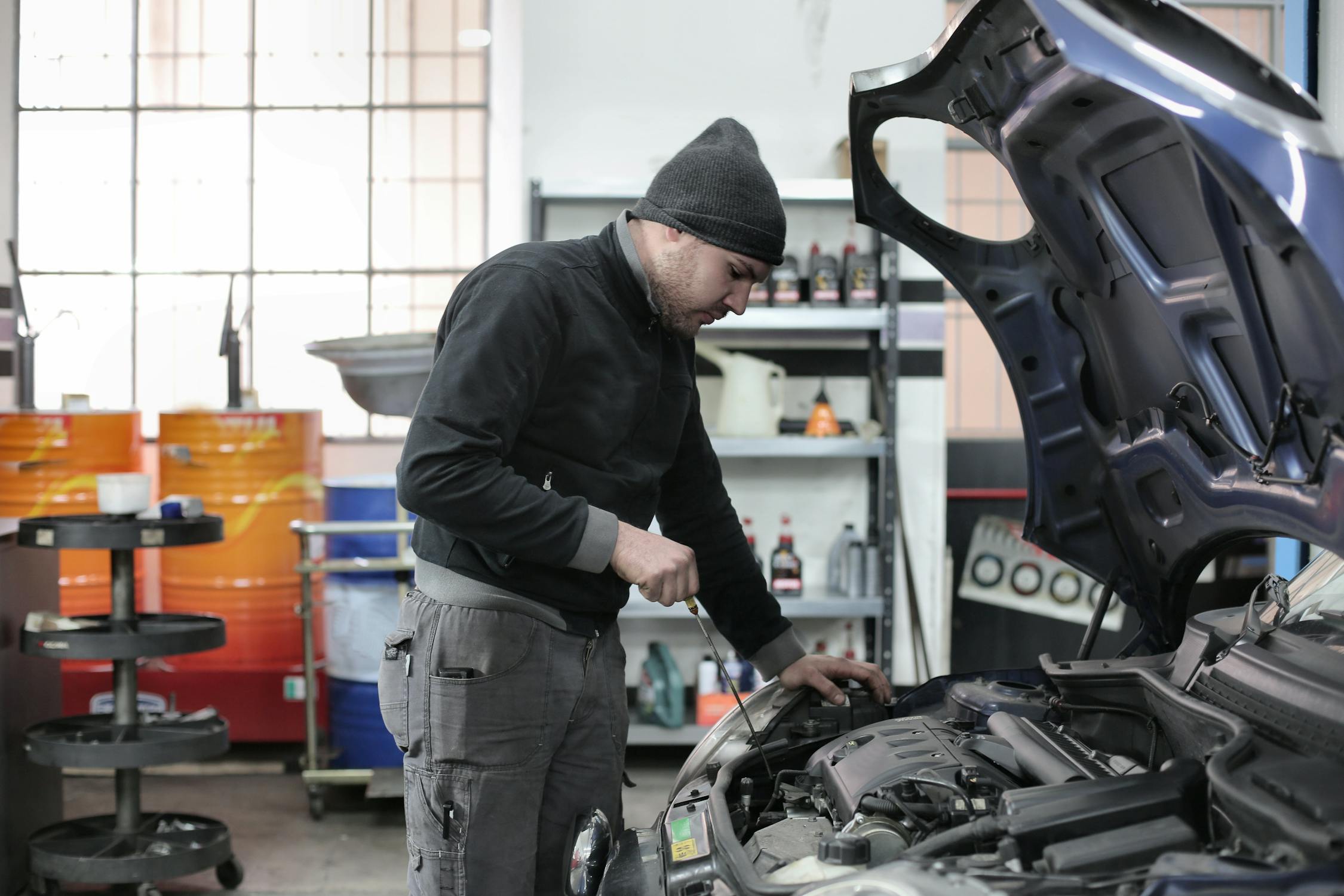
Functional Modification Ideas:
- Sunglasses holders: Custom-fit overhead storage for your specific glasses
- Key fob covers: Protective cases with belt clips or lanyards
- Trunk organizers: Custom compartments that fit your trunk exactly
- Cargo nets and hooks: Custom anchor points for grocery bags or cargo
- Window shade clips: Custom clips for aftermarket sun shades
- Coat hooks: Headrest-mounted hooks for jackets or bags
- Pet barriers: Custom-fit barriers to keep pets in the back seat
- Emergency kit mounts: Secure storage for first aid kits or fire extinguishers
Materials Guide for Car Modifications
Choosing the right material is the difference between a modification that lasts years and one that fails on the first hot day. Here's your complete guide to material selection for automotive modifications.

| Material | Heat Resistance (HDT) | UV Stability | Best Applications | Avoid For |
|---|---|---|---|---|
| PLA | 55-60°C | ❌ Poor | Prototyping only | ALL car applications |
| PETG | 65-75°C | ⚠️ Moderate | Shaded interior parts | Dashboard, exterior, engine bay |
| ABS | 88-105°C | ⚠️ Moderate | Interior parts, under-seat | Long-term exterior exposure |
| ASA ⭐ | 95-105°C | ✅ Excellent | Exterior, dashboard, engine bay | Direct exhaust contact |
| Nylon (PA) | 80-120°C | ✅ Good | Mechanical parts, brackets | Humid environments (absorbs moisture) |
| PA-CF (Carbon Nylon) | 150-180°C | ✅ Excellent | High-temp engine bay, brackets | Flex applications (brittle) |
| PC (Polycarbonate) | 130-145°C | ⚠️ Moderate | Impact-resistant parts, engine bay | Long outdoor exposure |
| TPU (Flexible) | 60-80°C | ⚠️ Moderate | Grommets, seals, vibration dampeners | Hot surfaces, dashboard top |
✅ ASA: The Go-To Material for Car Mods
For most DIY car modifications, ASA (Acrylonitrile Styrene Acrylate) is your best friend. It combines the printability of ABS with excellent UV resistance, making it suitable for both interior and exterior applications. Print at 240-260°C nozzle, 90-110°C bed, in an enclosed printer for best results.
For a deep dive into material selection, check our comprehensive automotive materials guide and PETG vs ABS comparison.
Step-by-Step: Your First DIY Car Modification
Ready to create your first custom car mod? Follow this proven workflow from concept to installation.
Phase 1: Research and Planning
- Define your goal: What problem are you solving or what enhancement are you making?
- Check existing designs: Search Thingiverse, Printables, and our parts library for existing solutions
- Assess environment: Where will this part live? Consider temperature, UV exposure, vibration, and chemical exposure
- Choose your material: Based on environment assessment, select appropriate material
- Check clearances: Measure the installation area and note any nearby components
Phase 2: Measurement and Documentation
Accurate measurements are crucial for parts that need to fit precisely. Use multiple measurement methods:
- Digital calipers: Essential for measuring existing parts and mounting points
- Contour gauge: Great for capturing complex curves
- Phone camera: Document everything—you'll reference these photos during design
- Cardboard templates: Create physical mockups of flat surfaces
- 3D scanning: For complex parts, consider using a 3D scanner or photogrammetry
Pro Tip: The Paper Template Method
For parts with complex mounting surfaces:
- Press thick paper or thin cardboard against the mounting surface
- Trace or mark all mounting hole locations and edges
- Cut out the template and test-fit multiple times
- Scan the template to import into your CAD software as a reference
Phase 3: CAD Design
Bring your modification to life in CAD software. Choose a program that matches your skill level:
| Software | Skill Level | Cost | Best For |
|---|---|---|---|
| TinkerCAD | Beginner | Free | Simple parts, quick prototypes |
| Fusion 360 | Intermediate | Free (hobby) | Parametric design, assemblies, most mods |
| Shapr3D | Intermediate | Paid/Free tier | iPad design, intuitive workflow |
| OnShape | Intermediate | Free (public) | Cloud-based, collaboration |
| SolidWorks | Advanced | Expensive | Professional engineering |
For detailed CAD guidance, see our complete design guide.
Phase 4: Print Settings for Automotive Durability
Car parts need to be stronger than typical prints. Optimize these settings for durability:
- Wall count: 4-6 walls minimum (more important than infill)
- Infill: 40-60% for structural parts, gyroid or cubic pattern
- Layer height: 0.2mm for strength, 0.12mm for detailed parts
- Layer orientation: Orient so layers are parallel to primary stress direction
- Nozzle temperature: Top of material range for better layer adhesion
- Cooling: Reduce fan speed for materials like ABS, ASA, and Nylon
- Enclosure: Required for ABS, ASA, Nylon, and PC to prevent warping
Phase 5: Post-Processing and Finishing
Give your mod a professional look with proper finishing:

- Sand: Start at 220 grit, work up to 400-600 for smooth finishes
- Fill: Use filler primer or automotive spot putty for layer lines
- Prime: Apply adhesion promoter (for ASA/ABS) then primer
- Paint: Use automotive-grade paints for durability and color matching
- Clear coat: Essential for exterior parts—adds UV protection and durability
- Test fit: Dry-fit before final installation
💡 Vapor Smoothing for ABS/ASA
For a factory-smooth finish on ABS or ASA parts, try acetone vapor smoothing. Place the part in a container with acetone-soaked paper towels (not touching the part) for 20-60 minutes. The acetone vapor melts the surface, eliminating layer lines. Do this outdoors with proper ventilation and safety equipment.
Phase 6: Installation and Testing
With your finished part ready, install and test thoroughly:
- Use thread-locking compound (Loctite) on any bolted connections
- Add rubber or foam gaskets where vibration could cause rattles
- Test in normal conditions before extreme use (track days, long trips)
- Monitor the part over the first few weeks for signs of failure
- Document your design and settings for future reference or sharing
Real-World DIY Modification Case Studies
Learn from fellow enthusiasts who've successfully completed custom 3D printed car modifications.
Case Study 1: Miata Cold Air Intake Ducting

Project: Custom cold air intake ducting for NA Miata
Material: ASA (Prusament Galaxy Black)
Print time: 12 hours
Cost: ~$8 in material vs. $120+ for aftermarket kit
Results: The 3D printed ducting routes cooler air from the fender to the intake, dropping intake air temps by 15°C on hot days. The part has survived 3 track days and 6 months of daily driving.
Case Study 2: BMW E46 Custom Gauge Pod
Project: A-pillar triple gauge pod for boost, oil temp, and oil pressure
Material: ABS (acetone-smoothed)
Print time: 18 hours (2 pieces)
Cost: ~$12 in material vs. $80-150 for aftermarket
Results: Custom-designed to match exact A-pillar contour and fit 52mm gauges. Painted to match interior trim. Holds three gauges with perfect visibility and zero rattles.
Case Study 3: Mustang Custom Shift Knob
Project: Weighted shift knob with cue ball aesthetic
Material: ASA shell, filled with steel BBs and epoxy for weight
Print time: 4 hours
Cost: ~$15 total vs. $60-100 for aftermarket weighted knobs
Results: Custom-weighted to 450g for shorter throws. Threaded insert printed into the design for M10x1.5 thread. Vapor-smoothed and painted gloss white. Perfect throws for 2 years and counting.
Want to share your own project? Join our community and post in the forum!
Safety Considerations for DIY Car Mods
3D printing opens incredible possibilities, but some modifications require caution. Safety must always come first.

🚫 NEVER 3D Print These Parts
- Brake components (calipers, rotors, pads, lines)
- Suspension components (control arms, ball joints, tie rods)
- Steering components (tie rod ends, steering column parts)
- Wheel components (lug nuts, wheel adapters, hub centric rings)
- Safety restraints (seat belt components, harness mounts)
- Fuel system components (fuel lines, fittings, tank components)
- Structural body components (crash structure, roll cage elements)
Safe vs. Risky Modifications
| Risk Level | Examples | Recommendation |
|---|---|---|
| ✅ Low Risk | Interior trim, cup holders, phone mounts, organizers, emblems | Safe for all skill levels |
| ⚠️ Medium Risk | Intake ducting, gauge pods, aesthetic exterior parts, brackets | Use appropriate materials, test thoroughly |
| ⚠️ Higher Risk | Engine bay mounts, functional aero, catch can brackets | Engineering knowledge required, professional review recommended |
| ❌ Not Recommended | Any component in safety-critical system | Use OEM or certified aftermarket parts only |
Best Practices for Safe Modifications
- Know the failure mode: If this part fails, what happens? If the answer is "danger," don't print it.
- Over-engineer: Design for 3-5x the expected load
- Test before trusting: Start with low-stress situations before track days or long trips
- Inspect regularly: Check printed parts for cracks, deformation, or UV damage
- Document everything: Keep records of materials, settings, and part age for troubleshooting
For complete safety guidance, read our dedicated 3D printed car parts safety guide.
Recommended 3D Printers for Car Modifications
Not all printers are suited for automotive applications. You need an enclosed printer capable of handling engineering-grade materials.

Top Printer Recommendations
- Bambu Lab P1S ($699): Best overall value. Enclosed, handles ASA/ABS perfectly, fast CoreXY motion
- Creality K1C ($399): Budget option with enclosure and carbon fiber capability
- Creality K1 Max ($899): Large format (300mm³) for bigger parts like intake ducts
- Qidi X-Max 3 ($799): Industrial-grade for PA-CF and high-temp materials
- Prusa MK4 + Enclosure ($999+): Reliability and ecosystem, requires aftermarket enclosure
Minimum Printer Requirements for Car Mods
- Enclosed or enclosable build chamber
- All-metal hotend (capable of 280°C+)
- Heated bed to 100°C minimum
- Build volume of at least 220mm × 220mm × 250mm
- Direct drive extruder preferred for flexible materials
For detailed recommendations, see our complete printer buying guide.
Where to Find DIY Modification Designs

Don't reinvent the wheel—leverage the community's existing designs and modify them for your needs.
Best Resources for Car Mod Files
- 3DPrintedCarPart.com Parts Library: Our growing collection of automotive-specific designs
- Printables: High-quality community uploads, many vehicle-specific mods
- Thingiverse: Massive library of user-uploaded designs
- Reddit communities: r/3Dprinting, r/functionalprint, and vehicle-specific subs (r/Miata, r/BMW, etc.)
- Vehicle forums: Many enthusiast forums have dedicated 3D printing sections
- Facebook groups: Vehicle-specific 3D printing groups share STL files
Ready to Start Your First Mod?
Join our community of DIY car modifiers. Share designs, get feedback, and find parts specific to your vehicle.
Join the Community FreeFrequently Asked Questions
Can I really make performance parts with a home 3D printer?
Yes! With the right materials (ASA, PA-CF, PC) and proper design, home 3D printers can create functional performance parts like cold air intake ducting, velocity stacks, gauge pods, and various brackets. The key is matching material selection to the thermal and mechanical requirements of each application.
Will 3D printed car parts melt in a hot car?
PLA will absolutely deform in a hot car—interior surfaces can reach 70°C or higher on sunny days. However, ASA (heat resistant to 95-105°C) and PA-CF (resistant to 150-180°C) will handle normal automotive environments without issues. Choose your material based on where the part will be installed.
How long do 3D printed car mods last?
With proper material selection, 3D printed car parts can last for years. ASA parts on exterior surfaces have been reported lasting 5+ years without significant degradation. Interior parts in appropriate materials (PETG, ABS, ASA) are essentially permanent. The key factors are UV exposure, temperature cycling, and mechanical stress.
Are 3D printed car modifications legal?
For personal use on your own vehicle, most cosmetic and interior modifications are legal. However, be cautious with modifications that affect emissions (intake systems) or safety equipment. Some jurisdictions have specific rules about aftermarket parts. For track-only vehicles, restrictions are typically more relaxed.
What's the best starter project for 3D printing car mods?
Start with a cup holder insert or phone mount. These projects teach measurement, CAD design, and material selection without any safety concerns. Once comfortable, progress to gauge pods or custom trim pieces before attempting any under-hood modifications.
Do I need an expensive printer for car parts?
You need an enclosed printer capable of printing ABS/ASA (heated bed to 100°C+, all-metal hotend). The Creality K1C at $399 meets these requirements. Open-frame printers can work with DIY enclosures, but enclosed machines like the Bambu Lab P1S offer better results with less effort.
Conclusion: Start Modding Today
DIY 3D printed car modifications represent the perfect intersection of maker culture and automotive enthusiasm. Whether you're solving a practical problem, enhancing performance, or simply making your car unique, 3D printing gives you capabilities that were once exclusive to professional fabricators.
Start simple—print a cup holder adapter or custom phone mount. Get comfortable with the workflow of measuring, designing, printing, and installing. Then gradually take on more ambitious projects as your skills and confidence grow.
The best part? You're not alone in this journey. Join a community of fellow enthusiasts sharing designs, troubleshooting problems, and pushing the boundaries of what's possible with 3D printed automotive parts.
Share Your Modifications
Built something cool? We want to see it! Post your projects in our forum and help inspire other makers.
Reference shelf
Materials and equipment referenced here
Optional product references matched to the material or printer discussion above. Use the specifications—not the brand name—to decide what fits your setup.
| Referenced item | What to verify | Price & availability |
|---|---|---|
| PETG filamentAmazon · Affiliate link | Amazon product page for 1.75 mm PETG; confirm colour, spool size, print temperature, seller, and delivery region. | Check price at Amazon |
| ASA filamentAmazon · Affiliate link | Amazon product page for 1.75 mm ASA; use an enclosure and suitable ventilation, and confirm seller and regional availability. | Check price at Amazon |
| ABS filamentAmazon · Affiliate link | Amazon product page for 1.75 mm ABS; use an enclosure and suitable ventilation, and verify temperature requirements and seller. | Check price at Amazon |
Affiliate disclosure: if you buy through an eligible link, 3DPrintedCarPart may earn a commission at no extra cost to you. As an Amazon Associate I earn from qualifying purchases. Confirm product specifications, compatibility, seller terms, and vehicle safety before ordering or using anything. Amazon may redirect you to a nearby supported store; otherwise the original Amazon.com page remains available.


