

When it comes to 3D printing car parts that will survive the harsh reality of automotive environments—scorching summer heat, freezing winters, relentless UV exposure, and constant vibration—ASA filament stands as the undisputed champion. Short for Acrylonitrile Styrene Acrylate, ASA was literally engineered to solve the problems that make other filaments fail in outdoor and automotive applications.
Whether you're restoring a classic Mustang, printing replacement clips for your daily driver, or creating custom accessories that need to survive under the hood or on exterior panels, understanding ASA filament is essential for any serious automotive maker. In this comprehensive guide, we'll cover everything you need to know about using ASA for automotive parts—from material properties and print settings to real-world applications and troubleshooting. Ready to level up your automotive 3D printing? Explore our parts library for ASA-compatible designs.
What Makes ASA the King of Automotive Filaments?
ASA was developed as a direct improvement over ABS (Acrylonitrile Butadiene Styrene), addressing its primary weakness: degradation under sunlight. While ABS has been a workhorse in automotive manufacturing for decades, it yellows, becomes brittle, and loses structural integrity when exposed to UV radiation. ASA solves this by replacing the butadiene rubber component with acrylic rubber, providing exceptional resistance to weathering while maintaining the mechanical properties that made ABS popular in the first place.
Key Properties of ASA for Automotive Use
- Exceptional UV Resistance: ASA maintains color and structural integrity for years of outdoor exposure—critical for exterior parts
- High Heat Deflection Temperature: With HDT around 86-100°C (187-212°F), ASA handles under-hood temperatures that would melt PLA and warp PETG
- Excellent Impact Strength: Approximately 30 kJ/m², providing the toughness needed for automotive applications
- Weather Resistance: Rain, humidity, temperature cycling—ASA handles it all without degradation
- Chemical Resistance: Resists fuel, oil, and most automotive fluids better than many alternative filaments
- Dimensional Stability: Maintains shape and tolerances over time, even with temperature fluctuations
- Professional Finish: Smooth surface that takes paint and post-processing exceptionally well
🏆 Why OEMs Choose ASA
Major automotive manufacturers including Ford, GM, BMW, and Mercedes-Benz use ASA for production exterior components like grilles, spoilers, mirror housings, and exterior trim. When professionals need UV-stable, weather-resistant plastic parts that maintain appearance and function for years, ASA is the go-to material. Now that same material is available to home makers and DIY enthusiasts.
ASA vs Other Automotive Filaments: Complete Comparison
Before committing to ASA, it's worth understanding how it stacks up against other popular filaments used for automotive applications. Each material has its place, but ASA offers a unique combination of properties that make it ideal for most exterior and high-temperature automotive parts.
| Property | ASA | ABS | PETG | PLA | Nylon |
|---|---|---|---|---|---|
| UV Resistance | ⭐⭐⭐⭐⭐ | ⭐⭐ | ⭐⭐ | ⭐ | ⭐⭐⭐ |
| Heat Resistance (HDT) | 86-100°C | 85-100°C | 75-85°C | 60°C | 80-180°C |
| Impact Strength | High (30 kJ/m²) | Medium-High | High | Low-Medium | Very High |
| Weather Resistance | Excellent | Poor | Moderate | Poor | Good |
| Printability | Moderate | Moderate | Easy | Very Easy | Difficult |
| Cost (per kg) | $25-40 | $18-30 | $20-30 | $15-25 | $35-60 |
| Enclosure Required? | Yes | Yes | Optional | No | Yes |
| Automotive Rating | A+ | B+ (interior only) | B (interior) | D (prototypes) | A (functional) |
⚠️ The UV Test: ASA vs ABS vs PLA
Community testing shows that ASA is approximately 10x more UV resistant than PETG and dramatically outperforms ABS. In accelerated weathering tests, ABS parts showed significant yellowing and became brittle after weeks of exposure, while ASA maintained color and flexibility after months. PLA? It starts degrading within days of outdoor exposure. If your part will ever see sunlight, ASA is the only sensible choice.
Best Automotive Applications for ASA Filament
ASA's unique combination of properties makes it suitable for a wide range of automotive applications, from purely aesthetic parts to functional components that bear loads and resist chemicals. Let's explore the most successful use cases for ASA in automotive 3D printing.
Exterior Components
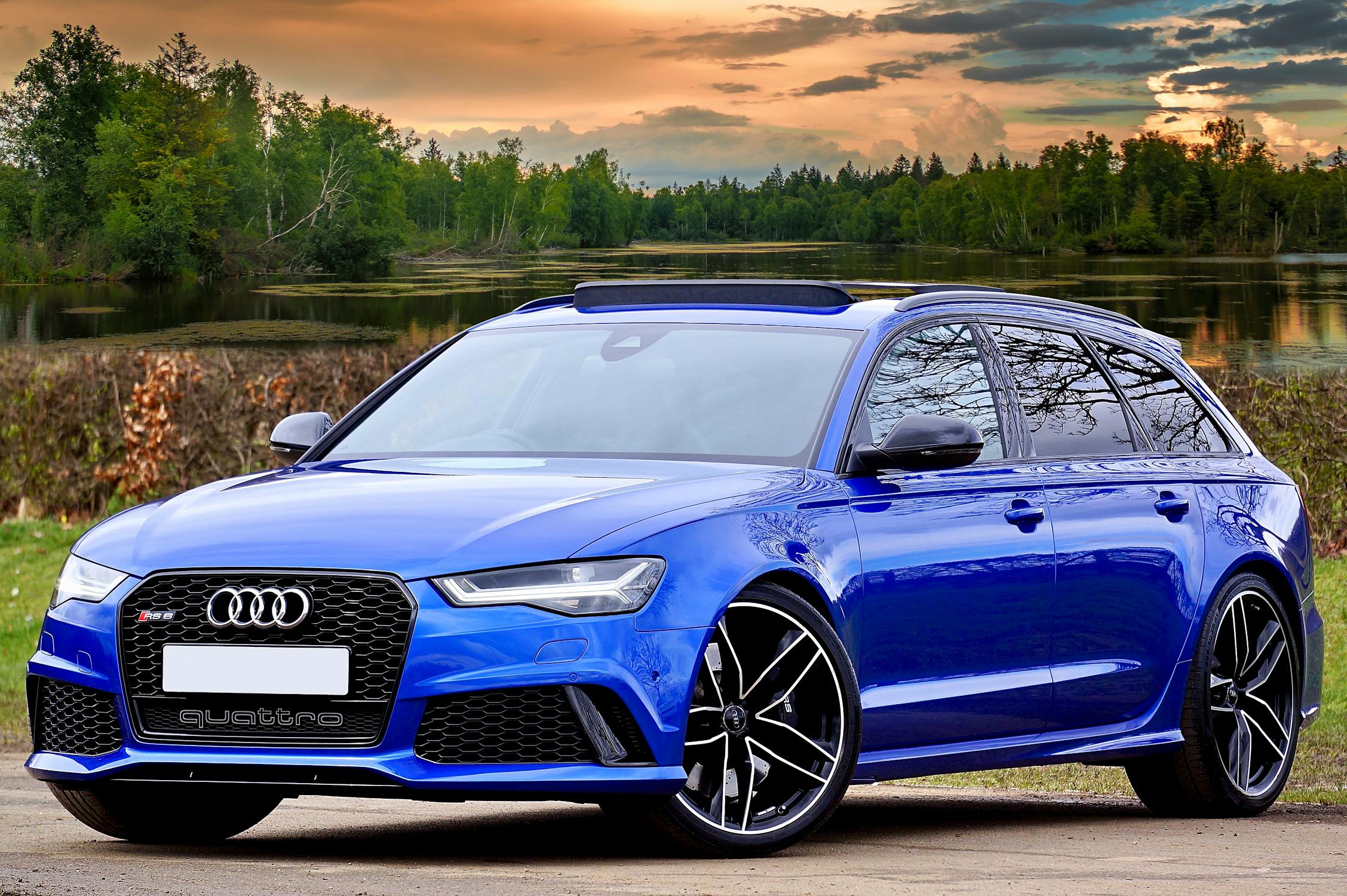
Exterior automotive parts represent the ideal use case for ASA—they're constantly exposed to sunlight, rain, temperature extremes, and road debris. Here's what community members are successfully printing:
- Side Mirror Housings: Full-sun exposure makes ASA the only practical material choice
- Grille Inserts and Trim: Custom mesh patterns and styling elements that maintain color year after year
- Spoiler Components: Gurney flaps, splitter end plates, and aesthetic elements
- Fender Liners and Mudguard Extensions: High impact resistance handles road debris
- Antenna Mounts and Covers: Weather-sealed mounting solutions for antennas and sensors
- License Plate Frames and Brackets: Custom designs that don't fade or crack
- Badge Surrounds and Emblems: Color-matched or custom styling elements
Engine Bay Components
The engine bay presents extreme heat challenges, but ASA's 86-100°C heat deflection temperature makes it suitable for many applications. Always verify specific temperature requirements for your vehicle and location within the engine bay.
- Cold Air Intake Ducts: Route fresh air to the intake while avoiding hot spots
- Sensor Mounts and Brackets: Secure mounting for aftermarket gauges and sensors
- Wire Loom Holders: Keep harnesses organized and protected from heat sources
- Fuse Box Covers: Replacement covers that match OEM quality
- Fluid Reservoir Brackets: Custom mounting solutions for relocated tanks
- Heat Shield Mounting Clips: Replace broken OEM plastic fasteners
Interior Parts (Near Windows)
While interior parts often seem protected, dashboard components and anything near windows experience significant heat and UV exposure. Cars left in the sun can see interior temperatures exceeding 70°C (158°F), making ASA a smart choice for dashboard-adjacent parts.
- Dashboard Vent Bezels: Replacement parts that won't warp in summer heat
- Window Switch Bezels: High-touch areas that see sun exposure
- Phone Mounts: Dashboard-mounted holders that won't deform
- Gauge Pods and Surrounds: Custom A-pillar and dash-mounted gauge housings
- HVAC Control Knobs: Replacement knobs for classic cars
Looking for ready-to-print ASA automotive designs? Check out our community parts library where makers share tested designs for specific vehicles.
Printing ASA: Complete Settings Guide
ASA requires more careful setup than beginner-friendly materials like PLA, but with the right configuration, it produces professional-quality parts consistently. The key requirements are temperature control and an enclosed printing environment.

Essential Print Settings for ASA
| Setting | Recommended Value | Notes |
|---|---|---|
| Nozzle Temperature | 240-260°C | Start at 250°C, adjust for your brand |
| Bed Temperature | 90-110°C | Higher temps reduce warping risk |
| Chamber Temperature | 40-60°C | Passive enclosure: 35-45°C adequate |
| Print Speed | 40-60 mm/s | Slower than PLA; prioritize quality |
| Part Cooling Fan | 0-10% | Off for first layers, minimal thereafter |
| First Layer Speed | 15-25 mm/s | Slow first layer critical for adhesion |
| Layer Height | 0.16-0.24mm | 0.2mm is good balance of speed/quality |
| Retraction Distance | 4-6mm (Bowden) / 1-2mm (Direct) | Reduce if you see stringing |
| Infill Percentage | 20-50% | Higher for functional parts |
| Wall Count | 3-5 walls | More walls = stronger parts |
Printer Requirements for ASA
Not every 3D printer can handle ASA well. Here's what you need for successful ASA automotive parts:
- Enclosed Build Chamber: This is non-negotiable for large ASA parts. The enclosure maintains consistent temperatures, preventing the thermal stresses that cause warping and layer separation. Popular enclosed options include the Prusa Enclosure, Bambu Lab X1C/P1S, and Voron designs.
- All-Metal Hotend: Standard PTFE-lined hotends can't maintain the 250°C+ temperatures ASA requires without degrading. Upgrade to an all-metal hotend if your printer doesn't already have one.
- Heated Bed (90°C+ capability): Most printers can reach 90°C, but verify yours can maintain this temperature throughout long prints.
- Proper Bed Surface: PEI (textured or smooth), Garolite G10, or glass with adhesive works best. Apply glue stick or specialized adhesive for extra holding power.
- Ventilation: ASA emits fumes during printing. Print in a well-ventilated area or add a HEPA/activated carbon filter to your enclosure.
🚨 Safety First: ASA Fume Considerations
Like ABS, ASA releases styrene fumes during printing that you should avoid inhaling. Always print in a well-ventilated area or use an enclosed printer with filtration. Never print ASA in a small, unventilated room. If you smell a strong odor, increase ventilation. Many makers add activated carbon filters to their enclosures for peace of mind.
Preventing Warping: The #1 ASA Challenge
Warping is the most common failure mode when printing ASA automotive parts. It occurs when different parts of the print cool at different rates, creating internal stresses that pull corners up from the bed. Larger parts and parts with sharp corners are especially susceptible.
Anti-Warping Strategies That Work
- Maintain Chamber Temperature: Keep your enclosure at 40-60°C throughout the print. Don't open the door mid-print!
- Preheat the Bed: Start the bed heating 10-15 minutes before printing to ensure even heat distribution
- Use a Brim: A 5-10mm brim dramatically increases bed adhesion for large parts
- Disable Part Cooling Fan: Keep it at 0-10% to prevent rapid cooling
- Draft Shield: For extra-large parts, add a draft shield in your slicer
- Print on Rafts: For very problematic parts, a raft provides maximum adhesion
- Center Large Parts: Print large parts in the center of the bed where temperatures are most consistent
- Slow Cool-Down: After printing, let the part cool slowly inside the enclosure—don't remove immediately
💡 Pro Tip: The Brim + Enclosure Combo
Community testing shows that the combination of a 6-8mm brim + enclosed chamber at 40°C+ + bed at 100°C eliminates warping for 95% of automotive parts. For particularly challenging large flat parts (like dashboard panels), add a draft shield and reduce print speed to 35mm/s. If you're still getting warping, your enclosure may not be warm enough.
Best ASA Filament Brands for Automotive Parts
Not all ASA filaments are created equal. For automotive parts that need to survive harsh conditions and look professional, investing in quality filament pays dividends. Here are the top-rated ASA brands recommended by the automotive maker community.

| Brand | Price (1kg) | Colors | Notes | Rating |
|---|---|---|---|---|
| Prusament ASA | $36 | 10+ | Exceptional consistency, tight tolerances | ⭐⭐⭐⭐⭐ |
| Polymaker PolyLite ASA | $30 | 15+ | Excellent UV stability, great color range | ⭐⭐⭐⭐⭐ |
| Bambu Lab ASA | $28 | 10+ | Optimized for Bambu printers, very reliable | ⭐⭐⭐⭐⭐ |
| SUNLU ASA | $22 | 8+ | Budget-friendly, good results for price | ⭐⭐⭐⭐ |
| Fiberlogy ASA | $32 | 6+ | Very low warping, consistent quality | ⭐⭐⭐⭐ |
| eSUN ASA+ | $24 | 12+ | Good balance of price and performance | ⭐⭐⭐⭐ |
Specialty ASA Variants
For demanding automotive applications, consider these enhanced ASA formulations:
- ASA-CF (Carbon Fiber Reinforced): Even higher stiffness and heat resistance, excellent for structural brackets
- ASA-GF (Glass Fiber Reinforced): Enhanced HDT up to 97°C, improved dimensional stability
- LW-ASA (Lightweight): Foaming ASA for weight-sensitive applications like aerodynamic parts
Post-Processing ASA Automotive Parts
One of ASA's advantages is its excellent post-processing capabilities. Unlike PETG, ASA can be chemically smoothed with acetone vapor, sanded easily, and takes paint exceptionally well. Here's how to achieve professional-quality finished parts.

Surface Finishing Techniques
- Sanding: ASA sands smoothly. Start with 200-grit and progress to 600-800 grit for a smooth finish. Wet sanding at higher grits produces the best results.
- Acetone Vapor Smoothing: Like ABS, ASA responds to acetone vapor exposure. Suspend the part over a small amount of acetone in a sealed container for 15-30 minutes. The surface melts slightly, hiding layer lines and creating a glossy finish.
- Filler Primer: Automotive filler primer (like Bondo Sandable Primer) fills small imperfections. Apply 2-3 coats, sanding between coats with 400-grit.
- Painting: ASA takes automotive spray paint and 2K clear coat beautifully. Use plastic adhesion promoter for best results. The end result can be indistinguishable from injection-molded parts.
🎨 Professional Paint Workflow for ASA Parts
For show-quality painted ASA automotive parts:
- Sand with 400-grit
- Apply 2 coats filler primer, sand with 600-grit
- Wipe with tack cloth
- Apply plastic adhesion promoter
- Apply 3-4 light coats of color
- Apply 2-3 coats 2K automotive clear
- Wet sand with 1500-grit, polish for mirror finish
Real-World ASA Automotive Projects
Let's look at some successful ASA automotive projects from the maker community. These examples demonstrate what's possible when you combine good design, proper print settings, and quality ASA filament.

Classic Car Restoration: 1966 Mustang Grille Trim
A community member restored a 1966 Mustang with NOS (new old stock) grille trim pieces that cost $200+ each—if you could even find them. By 3D scanning an original piece and printing in black ASA, they produced perfect replicas for under $10 in material. After 18 months of daily driving in Arizona sun, the parts show zero fading or degradation.
Custom Intake Ducting: Miata Track Build
For a track-focused NA Miata, a maker designed custom cold air intake ducting to route air from the bumper opening directly to the throttle body. Printed in ASA with 35% infill, the ducting handles engine bay heat without issue. The custom shape increased airflow by 15% compared to the universal aftermarket part they replaced. Check our Miata parts guide for more project ideas.
OEM Clip Replacement: E46 BMW Interior
BMW interior trim clips are notorious for breaking, and OEM replacements cost $5-15 each. One enthusiast reverse-engineered all 47 different clips used in the E46 3-Series interior and shared the designs in our community forum. Printed in ASA, these clips have been tested in summer and winter conditions with perfect results. Hundreds of community members have now printed these clips for their own cars.
Troubleshooting Common ASA Problems
Even with perfect settings, ASA can be finicky. Here's how to diagnose and fix the most common issues when printing automotive parts.

Problem: Warping and Corner Lifting
Causes: Insufficient enclosure temperature, drafts, bed too cool, or insufficient first layer adhesion.
Solutions:
- Increase bed temperature to 105-110°C
- Verify enclosure is maintaining 40°C+ throughout print
- Add 8-10mm brim
- Apply fresh glue stick or ABS slurry to bed
- Reduce print speed for first 5 layers
- Check for drafts—even small gaps in enclosure can cause issues
Problem: Layer Separation/Delamination
Causes: Temperature too low, layers cooling too fast, or moisture in filament.
Solutions:
- Increase nozzle temperature by 5-10°C
- Verify part cooling fan is off or at 5% max
- Dry filament at 65°C for 4+ hours
- Store ASA in a dry box with desiccant when not in use
- Increase wall overlap percentage in slicer
Problem: Stringing/Oozing
Causes: Retraction settings wrong, temperature too high, or wet filament.
Solutions:
- Reduce nozzle temperature by 5°C
- Increase retraction distance (1-2mm for direct drive, 4-6mm for Bowden)
- Increase retraction speed to 35-45mm/s
- Enable "wipe" in your slicer
- Dry filament—wet ASA strings more
Problem: Poor Surface Finish
Causes: Over-extrusion, temperature too high, or print speed too fast.
Solutions:
- Calibrate e-steps and flow rate
- Lower nozzle temperature by 5-10°C
- Reduce print speed to 40mm/s
- Ensure proper first layer calibration (not too squished)
Safety Considerations: What NOT to Print in ASA
While ASA is excellent for many automotive applications, some parts should never be 3D printed due to safety concerns. Understanding these limitations is critical for responsible automotive making.
🚫 Never 3D Print These Parts (in ANY filament)
- Brake Components: Calipers, brackets, lines, or anything in the braking system
- Suspension Components: Control arms, ball joints, tie rods, or load-bearing suspension parts
- Steering Components: Steering column parts, tie rod ends, or anything affecting steering
- Wheel Components: Lug nuts, wheel spacers, or hub-centric rings
- Engine Internals: Pistons, connecting rods, or valvetrain components
- Fuel System Components: Fuel lines, fittings, or components exposed to fuel
- Structural Safety: Roll cage components, seat belt anchors, or crash structures
These parts require certified materials and testing. A 3D printed failure could result in serious injury or death.
For a detailed discussion of safety considerations, see our 3D printed parts vs OEM comparison guide.
Cost Analysis: ASA vs OEM Parts
One of the biggest motivations for 3D printing automotive parts is cost savings. Let's look at realistic cost comparisons for common ASA-printable parts.

Real-World Cost Comparisons
- Interior Trim Clips (set of 20): OEM: $80-150 | ASA Print: $3-5 material | Savings: 95-97%
- Dashboard Vent Bezel: OEM: $45-120 | ASA Print: $2-4 material | Savings: 95%+
- Side Mirror Housing: OEM: $150-400 | ASA Print: $8-15 material | Savings: 93-96%
- Custom Gauge Pod: Aftermarket: $80-200 | ASA Print: $5-10 material | Savings: 90-95%
- Classic Car Grille Trim: NOS: $200-500+ (if available) | ASA Print: $10-20 material | Savings: 95%+
- HVAC Knobs (set of 3): OEM: $30-75 | ASA Print: $1-2 material | Savings: 96-98%
See our comprehensive cost comparison guide for more detailed analysis.
Frequently Asked Questions
Is ASA better than ABS for car parts?
Yes, for most applications. ASA offers similar mechanical properties to ABS but with dramatically better UV resistance, weather resistance, and reduced warping during printing. The only scenario where ABS might be preferred is for purely interior parts where you want to save a few dollars per kilogram.
How long will ASA parts last on my car?
Properly printed ASA parts can last 5-10+ years in outdoor automotive applications. The material's UV stability means it won't yellow or become brittle like ABS would. Community members have reported ASA parts surviving years in harsh Arizona and Florida sun with no degradation.
Can I print ASA without an enclosure?
Small parts (under 50mm) may print successfully without an enclosure, but larger parts will almost certainly warp. For reliable results with automotive-sized parts, an enclosure is effectively required. Even a simple cardboard box or lack cloth enclosure is better than nothing.
What's the maximum temperature ASA can handle?
Standard ASA has a heat deflection temperature (HDT) of 86-100°C (187-212°F). This is suitable for most automotive applications, including engine bay parts that aren't directly touching hot components. For higher temperatures, consider ASA-CF (carbon fiber reinforced) or switch to Nylon/PA-CF.
Can I vapor smooth ASA like ABS?
Yes! ASA responds to acetone vapor smoothing just like ABS. Suspend your printed part over a small amount of acetone in a sealed container for 15-30 minutes. The surface will become glossy and layer lines will smooth out. Use caution with acetone fumes and work in a well-ventilated area.
Ready to Start Printing ASA Automotive Parts?
Join thousands of makers who are saving money and customizing their vehicles with 3D printed parts. Share your ASA projects, get advice from experienced printers, and download tested designs.
Create Your Free AccountConclusion: ASA is the Automotive Maker's Best Friend
For anyone serious about 3D printing automotive parts, ASA filament is the material that makes it all possible. Its unique combination of UV resistance, heat tolerance, impact strength, and weather durability means your printed parts will survive the harsh reality of life on a vehicle—something that PLA, PETG, and even ABS simply cannot guarantee.
Yes, ASA requires more setup than beginner filaments: you need an enclosed printer, proper temperature control, and patience to dial in your settings. But once you've mastered ASA printing, you unlock the ability to create professional-quality exterior parts, engine bay components, and interior pieces that look and perform like factory originals—at a fraction of the cost.
Whether you're restoring a classic car with unobtainable parts, customizing your daily driver, or building a track-focused machine, ASA gives you the material freedom to create exactly what you need. The automotive 3D printing community is growing every day, and the knowledge and designs being shared make it easier than ever to get started.

Join the Automotive 3D Printing Community
Have questions about ASA or want to share your automotive printing projects? Our community forum is the place to connect with fellow makers, get troubleshooting help, and discover new designs.
Related Articles
Reference shelf
Materials and equipment referenced here
Optional product references matched to the material or printer discussion above. Use the specifications—not the brand name—to decide what fits your setup.
| Referenced item | What to verify | Price & availability |
|---|---|---|
| PETG filamentAmazon · Affiliate link | Amazon product page for 1.75 mm PETG; confirm colour, spool size, print temperature, seller, and delivery region. | Check price at Amazon |
| ASA filamentAmazon · Affiliate link | Amazon product page for 1.75 mm ASA; use an enclosure and suitable ventilation, and confirm seller and regional availability. | Check price at Amazon |
| ABS filamentAmazon · Affiliate link | Amazon product page for 1.75 mm ABS; use an enclosure and suitable ventilation, and verify temperature requirements and seller. | Check price at Amazon |
Affiliate disclosure: if you buy through an eligible link, 3DPrintedCarPart may earn a commission at no extra cost to you. As an Amazon Associate I earn from qualifying purchases. Confirm product specifications, compatibility, seller terms, and vehicle safety before ordering or using anything. Amazon may redirect you to a nearby supported store; otherwise the original Amazon.com page remains available.


